
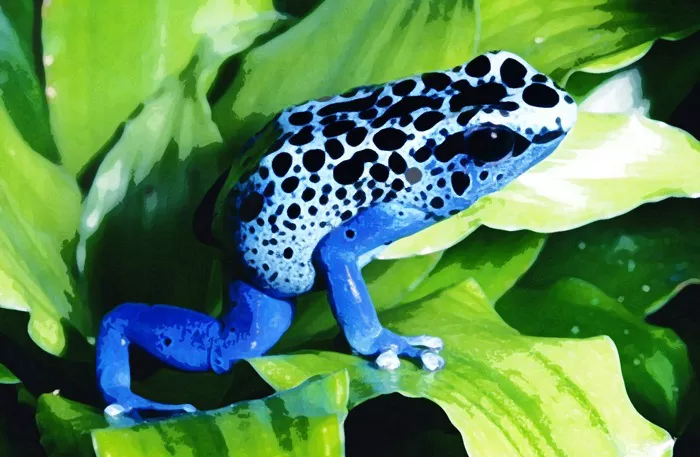
The blue poison dart frog, also known as Dendrobatoides tinctorius or the blue poison arrow frog, is an incredibly striking species native to the rainforests of Central and South America. With its vibrant, eye-catching color, it’s no wonder that enthusiasts are drawn to these little frogs as potential pets. But is it truly feasible to have a blue poison dart frog as a pet? Can this small, wild creature thrive in a captive environment, and what does it take to care for it properly?
In this article, we will explore the exciting world of blue poison dart frogs, the responsibilities of keeping them as pets, and the considerations you need to take into account before deciding if these captivating creatures are the right choice for your home.
Introduction: The Fascination of Blue Poison Dart Frogs
Imagine a tiny frog, no bigger than your thumb, yet with the kind of striking blue color that looks like it belongs on a tropical beach rather than a rainforest floor. The blue poison dart frog is one of nature’s most colorful and fascinating creatures. However, despite their beauty, these frogs come with a host of requirements that are crucial to their well-being and your peace of mind as a pet owner.
You might be wondering, “Can I have one of these frogs as a pet?” It’s a great question. The truth is that while these frogs are stunning to look at and make for an interesting pet, they require specific care that may be challenging for beginners.
What Makes Blue Poison Dart Frogs Special?
The blue poison dart frog is not only famous for its color but also for the potent toxins it produces in the wild. These toxins are derived from the frogs’ diet, which consists of small insects, including ants and mites. In captivity, however, blue poison dart frogs do not produce the same toxins, which makes them safe to handle. This unique trait is why these frogs have captivated herpetologists and pet owners alike.
Let’s break it down further:
Coloration: Blue poison dart frogs are known for their electric blue bodies with black spots or specks. This striking color is a warning to predators, signaling that the frog is toxic. In captivity, however, they are harmless.
Size: These frogs are small, measuring about 1.5 to 2 inches (3.8 to 5 cm) in length, making them a manageable size for a terrarium or small aquarium.
Toxin: In the wild, the blue poison dart frog’s toxins help protect it from predators. However, when raised in captivity without its natural diet, the frog does not produce this toxin. Still, it’s important to remember that they are wild animals with specific needs.
The Habitat Requirements for Blue Poison Dart Frogs
One of the most important factors when considering a blue poison dart frog as a pet is providing a suitable habitat. These frogs are native to the humid, tropical rainforests of Central and South America, so replicating their natural environment in your home is essential for their survival and well-being.
Terrarium Setup
A terrarium is the ideal home for a blue poison dart frog. These enclosures should provide ample space for the frog to move around and explore. Here’s what you need to keep in mind when setting up the terrarium:
Size: A minimum size of 10 gallons is recommended for a pair of dart frogs. If you plan to keep more frogs, increase the size of the tank accordingly. A 20-gallon tank is an excellent option for a small group.
Humidity: Blue poison dart frogs thrive in high humidity. Aim to keep the humidity level between 60% and 80%. A misting system can help maintain this moisture level, or you can mist the tank manually several times a day.
Temperature: Keep the temperature between 72°F and 80°F (22°C to 27°C). These frogs are accustomed to the warm, tropical climates of their native habitats.
Substrate: A natural substrate like coconut fiber, sphagnum moss, or leaf litter is perfect for mimicking the forest floor. This substrate allows frogs to burrow and hide, much like they would in the wild.
Plants and Hiding Spots: Incorporate live plants into the terrarium. Plants not only beautify the environment but also provide hiding spots for the frogs. Ideal plants include ferns, bromeliads, and moss.
The importance of a proper habitat cannot be overstated. Without the right conditions, your frog may experience stress, which can affect its health. So, get ready to invest in some equipment and give your new pet the best environment possible.
Water and Hydration
Water is crucial for blue poison dart frogs. These frogs are aquatic to some extent, and they rely on a shallow water dish or pool in their enclosure to keep hydrated and help maintain humidity.
Water Dish: A small, shallow water dish should be placed inside the terrarium, allowing the frogs to soak when needed. Make sure the water is always clean and changed regularly.
Water Quality: Tap water should be dechlorinated before use. Chlorine can be harmful to amphibians, so it’s best to use distilled or filtered water whenever possible.
Lighting
Lighting is another essential element for your frog’s terrarium. While they do not require direct sunlight, they do need a day-night cycle to stay healthy. You can use low-wattage fluorescent lighting to create a natural cycle of light and dark.
Day-Night Cycle: A 12-hour light and 12-hour dark cycle is recommended to mimic the natural rainforest conditions.
UVB Light: While dart frogs do not need UVB light like reptiles, some low-level UVB lighting can help plants thrive inside the tank, benefiting the overall ecosystem.
Feeding Blue Poison Dart Frogs
In the wild, blue poison dart frogs consume a diet of ants, mites, and small insects. This diet is what gives them their toxic properties. In captivity, however, the frogs will not produce toxins if they are not consuming the same diet.
So, what should you feed them in captivity?
Insects
Fruit Flies: The primary food for dart frogs in captivity is fruit flies, particularly small species like Drosophila melanogaster. These flies are small enough for the frogs to catch and eat.
Pinhead Crickets: Another option is pinhead crickets, which are just small enough for your frog to handle. These can be purchased from pet stores or online.
Springtails: These tiny, slow-moving creatures are another common food source for dart frogs.
You will need to provide a variety of foods to ensure that your frog gets the nutrition it needs. Additionally, you should dust these insects with calcium and vitamin supplements to keep your frog healthy.
Feeding Schedule
Blue poison dart frogs eat small insects every day. However, feeding them once or twice a day will suffice. The amount of food will depend on the size of your frogs, but ensure that there is always food available for them to catch and eat.
Health Considerations and Lifespan
Like any pet, the health of your blue poison dart frog depends largely on the care you provide. Keeping the habitat clean, ensuring proper diet, and maintaining the right temperature and humidity levels are key to preventing common health issues.
Common Health Problems
Skin Shedding Problems: Blue poison dart frogs shed their skin regularly. If the environment is too dry, they may have difficulty shedding, leading to skin problems.
Respiratory Infections: High humidity is important, but if the terrarium is too wet or has poor ventilation, it can lead to mold or bacterial growth, which can cause respiratory infections.
Parasites: Wild-caught frogs are more likely to carry parasites, so if you buy a frog, ensure it’s from a reputable breeder who guarantees the health of their animals.
Lifespan
Blue poison dart frogs typically live 5 to 10 years in captivity with proper care. This lifespan can vary depending on the conditions you provide, such as habitat quality, diet, and overall health management.
Pros and Cons of Keeping a Blue Poison Dart Frog as a Pet
Pros:
Unique and Beautiful: Their vibrant blue color makes them an incredible sight in your home.
Low Maintenance: Once you’ve set up the correct habitat, these frogs are relatively low-maintenance compared to other pets.
Incredible to Watch: Their active and curious nature makes them a joy to observe.
Cons:
Specialized Care: They require specific humidity, temperature, and dietary needs, which can be challenging for beginners.
Small Size: They’re so small that it can be difficult to spot them in their terrarium at times.
Not Interactive: Unlike cats or dogs, these frogs are not affectionate and don’t interact with their owners.
Conclusion
So, can you have a blue poison dart frog as a pet? The answer is yes, but with a few important caveats. While these frogs can make fascinating pets, they require specialized care and attention. If you’re willing to put in the effort to create the right environment for them, a blue poison dart frog can be a rewarding and low-maintenance pet that brings a slice of the rainforest into your home.
Related topics: