
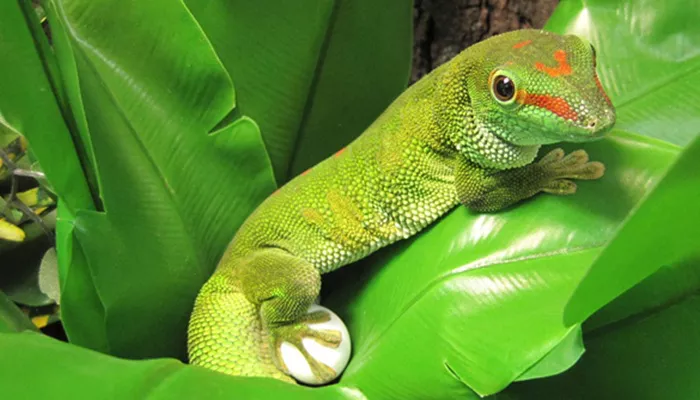
The Madagascar Day Gecko (Eublepharis macularius) is one of the most stunning and colorful reptiles you’ll ever come across. With its vibrant green scales and striking red spots, this gecko is nothing short of amazing. Native to the island of Madagascar, this reptile has become a popular pet for reptile enthusiasts around the world. Whether you’re a seasoned reptile keeper or someone just starting to dive into the world of exotic pets, understanding the Madagascar Day Gecko will certainly open your eyes to the wonders of nature.
In this article, we’ll explore everything you need to know about this beautiful species, from its natural habitat to its care requirements as a pet. We’ll break it down into easy-to-understand sections, so even if you’re a beginner, you’ll feel confident in caring for these incredible creatures. Let’s dive right in!
The Madagascar Day Gecko: A Quick Overview
Before we get into the details, let’s first get to know the Madagascar Day Gecko in a nutshell.
Scientific Name: Phelsuma madagascariensis
Common Name: Madagascar Day Gecko
Size: Up to 9 inches (22 cm)
Coloration: Vivid green body with red or orange spots on the back
Habitat: Native to Madagascar, mostly in tropical rainforests
Where Do Madagascar Day Geckos Live?
The Madagascar Day Gecko is a native resident of the tropical forests of Madagascar. If you’ve ever imagined a lush, green rainforest, filled with towering trees, humidity in the air, and bright sunlight streaming through the canopy, then you’re picturing the Madagascar Day Gecko’s home.
These geckos are arboreal, meaning they live in trees, where they can bask in the sun and hunt for food. In the wild, they often seek shelter in the crevices of tree trunks or under large leaves to stay safe from predators.
For pet owners, replicating this type of habitat is key to keeping them healthy. Think of it like setting up a mini tropical rainforest in a glass tank! You’ll need branches, plenty of foliage, and a good amount of sunlight to mimic the conditions of their natural environment.
Physical Features: A True Work of Art
One of the main reasons the Madagascar Day Gecko is so popular as a pet is because of its breathtaking appearance. These geckos are not just your average reptile; they’re vibrant, stunning, and truly eye-catching.
1. Coloration and Patterns
Their bodies are generally bright green, which helps them blend into the lush environment of the rainforests. But it’s the splashes of red, orange, or sometimes even blue that make these geckos stand out. These colored spots are often seen along their back, making them resemble little jewels of the forest. These vibrant colors not only serve a decorative purpose but may also play a role in attracting mates during breeding season.
2. Size and Shape
Madagascar Day Geckos are relatively large for geckos, reaching lengths of up to 9 inches. They have slender, elongated bodies, which makes them excellent climbers. Their long tails help them balance as they move across tree branches.
If you’ve ever seen a gecko darting around on walls or trees, you know that they are incredibly agile. This gecko is no exception! Their feet have specialized pads that allow them to stick to surfaces, just like how you might imagine a Spider-Man-like ability.
Madagascar Day Gecko Behavior: Social and Active Creatures
These geckos are active, diurnal creatures, meaning they are most active during the day. Imagine them basking in the sun, running along tree branches, or hunting for insects. Their lively, energetic personality makes them a joy to watch, and this is a big reason why they’re favored in the pet world.
Unlike many other geckos that are more solitary, Madagascar Day Geckos can be quite social. They tend to be more active in groups in their natural environment, although they will need plenty of space to avoid territorial disputes in captivity. It’s best to house them individually or in pairs, as male Madagascar Day Geckos can be territorial.
Fun Fact: Did you know that they can even recognize their owners? Many reptile keepers report that their Madagascar Day Geckos show signs of recognizing their human caretakers, responding to feeding times and even hand movements.
Diet and Feeding: What Do They Eat?
Madagascar Day Geckos are omnivores, meaning they eat both plants and animals. In the wild, their diet consists mainly of insects like crickets and beetles, as well as nectar, fruits, and sometimes small flowers.
When caring for these geckos in captivity, you’ll want to mimic this diet. You can feed them a mix of insects (like crickets or mealworms) and fresh fruits such as mango, papaya, or melon. You can also offer them commercial gecko food, which is formulated to meet their nutritional needs.
Tip: It’s important to dust the insects with a calcium supplement to ensure your gecko gets enough calcium for healthy bone development.
How to Care for a Madagascar Day Gecko: A Beginner’s Guide
Taking care of a Madagascar Day Gecko is easier than you might think, but it does require attention to detail. If you’re ready to take on the challenge, you’ll find that these geckos are relatively low-maintenance once you have the right setup.
1. The Ideal Habitat: Creating a Tropical Oasis
As mentioned earlier, Madagascar Day Geckos thrive in a tropical environment. To recreate this in captivity, you’ll need a terrarium that is at least 20 gallons in size. The enclosure should be vertical (taller than wide), as they are arboreal creatures.
Here’s what you’ll need to create a perfect habitat:
Temperature: Keep the daytime temperature between 75-85°F (24-29°C). Nighttime temperatures can drop slightly but should not go below 65°F (18°C).
Humidity: These geckos need high humidity, around 60-80%. Mist the tank daily to keep the humidity level up.
Lighting: Provide 12 hours of UVB light every day to simulate the natural sunlight they would get in the wild. This is crucial for their overall health.
Substrate: Use a substrate that retains moisture, such as coconut fiber or a tropical moss mix.
2. Handling and Interaction
While Madagascar Day Geckos are generally friendly, they’re not known for being handled frequently. They prefer to stay in their trees or hideaways, so it’s best to let them come to you on their terms. If you do choose to handle them, be gentle and avoid sudden movements, as this can stress them out.
Common Health Issues and How to Prevent Them
Like all reptiles, Madagascar Day Geckos are susceptible to certain health issues, most of which can be avoided with proper care. Some common health problems include:
Mouth Rot: Caused by bacteria in the mouth, this can happen if the gecko’s habitat is not kept clean.
Metabolic Bone Disease: Caused by a lack of calcium and UVB light, this can lead to weak bones and deformities.
Parasites: Insects like crickets may carry parasites, so it’s important to buy them from a reputable source.
Regular cleaning of the terrarium, proper diet, and monitoring of their health can help prevent most issues.
Fun Facts About the Madagascar Day Gecko
Before we wrap up, let’s leave you with some fun facts about these amazing creatures!
Madagascar Day Geckos can live up to 10 years in captivity.
They are often called “the jewel of the rainforest” due to their stunning coloration.
Their tails are capable of regeneration if they lose them, just like many other geckos.
They have a fascinating way of communicating – through visual signals like head bobs and tail flicks.
Conclusion
The Madagascar Day Gecko is a beautiful, fascinating creature that makes an excellent addition to any reptile collection. Whether you’re in awe of their vibrant colors or captivated by their energetic behavior, these geckos are sure to impress. By understanding their needs, diet, habitat, and behavior, you can provide them with a happy and healthy life in captivity.
Related topics: