
If you’re a reptile enthusiast or a beginner looking to introduce a new pet into your life, the Black Night Leopard Gecko is a species that might pique your interest. With its striking appearance and relatively easy care requirements, it has gained immense popularity in the world of pet reptiles. This guide will walk you through everything you need to know about these amazing creatures, from their unique features to the best care practices, and even some fun facts that will make you love them even more.
But what exactly makes the Black Night Leopard Gecko so special? Is it just their color, or is there more to them than meets the eye? Read on to unlock the secrets of this extraordinary gecko.
What Is the Black Night Leopard Gecko?
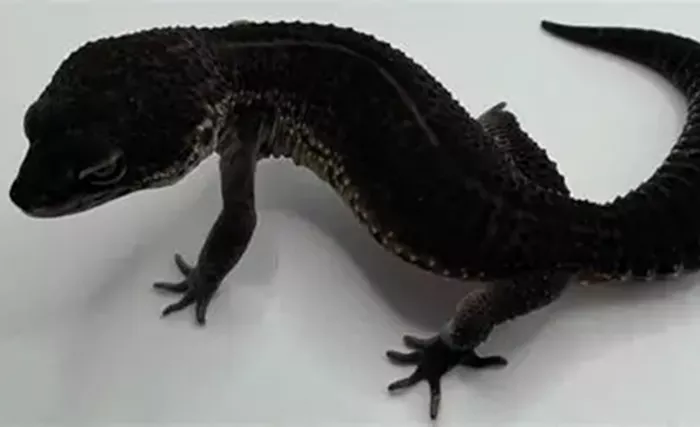
At first glance, the Black Night Leopard Gecko is an incredibly striking animal. With its deep, dark coloration—ranging from pitch-black to dark brown—this gecko stands out from other leopard geckos. But don’t let its intimidating color fool you. These geckos are calm, friendly, and a great choice for reptile beginners.
A Unique Mutation
The Black Night Leopard Gecko is a morph (a variant) of the common Leopard Gecko, and it owes its unique appearance to a specific genetic mutation. Unlike regular Leopard Geckos, which have a yellowish-brown color with dark spots, Black Nights have a solid, dark body. It’s like comparing a night sky full of stars to a traditional leopard print!
The mutation responsible for this coloration was first discovered in the early 2000s, and since then, breeders have been selectively breeding these geckos to enhance their dark appearance.
Physical Characteristics of the Black Night Leopard Gecko
The Black Night Leopard Gecko may not be a huge animal, but its physical features make it a stunning pet. Let’s break down the most important aspects of this gecko’s appearance:
Size and Body Shape
Black Night Leopard Geckos typically grow to be between 7 and 10 inches long when fully matured. They have a stocky body with a short, thick tail that stores fat for survival in harsh conditions. Imagine it like a little storage unit on the gecko’s back!
Their body is low to the ground, which helps them move stealthily through the rocky or desert terrain they are used to.
Color and Patterns
As mentioned earlier, Black Night Leopard Geckos are primarily black or dark brown, with minimal to no spots. Over time, some individuals may develop subtle, lighter markings, but these are usually very faint. This makes them stand out among other gecko species, which often feature more vibrant and varied patterns.
Eyes
One of the most striking features of the Black Night Leopard Gecko is its dark eyes. In contrast to the bright yellow or orange eyes of other geckos, these geckos typically have dark, almost black eyes that match their overall appearance.
Why Are They Called “Black Night”?
The name “Black Night” is not just a coincidence—it’s a reflection of the gecko’s mysterious and striking dark coloring. This name adds an element of allure, invoking images of a moonless night in the wild.
But is it just their color that gives them their name? Not at all. The Black Night Leopard Gecko is like the nocturnal creature of the gecko world. These geckos are most active at night, which is when they hunt and roam in the wild. Their dark coloration helps them blend into the shadows, making them excellent nocturnal predators.
Habitat and Natural Environment
In the wild, Leopard Geckos—Black Nights included—are native to the deserts of Afghanistan, Pakistan, India, and other regions of South Asia. These environments are dry, hot, and sparse, which means the Black Night Leopard Gecko has adapted to thrive in harsh conditions.
A Closer Look at Their Natural Habitat
Temperature: In the wild, the desert environment can get extremely hot during the day and chilly at night. Black Night Leopard Geckos are cold-blooded, so they need to regulate their temperature to stay healthy. They’re best suited for warm environments, ranging from 80°F to 90°F (27°C to 32°C) during the day, with a nighttime temperature dropping to 70°F (21°C).
Humidity: Since these geckos are from arid climates, they don’t require a humid environment. Keep their enclosure dry, but still make sure they have access to moisture to help with shedding.
How to Care for Your Black Night Leopard Gecko
Taking care of a Black Night Leopard Gecko is fairly simple, especially if you’re familiar with the basics of reptile care. But even if you’re new to owning reptiles, don’t worry—we’ll guide you through every step of the way!
Creating the Perfect Habitat
To ensure that your Black Night Leopard Gecko is comfortable, here’s what you need for its enclosure:
Size of the Tank: For an adult Black Night Leopard Gecko, a 20-gallon tank is the minimum size. Larger enclosures (40 gallons) are even better, as they provide more space to roam.
Substrate: Avoid sand or loose substrate, as it can cause impaction if the gecko ingests it. Instead, use a reptile carpet or paper towels for easy cleaning and safety.
Heat Source: You’ll need a heat lamp to maintain the correct temperature gradient in the tank. Place the lamp on one side of the tank to create a warm side and a cooler side.
Lighting: Black Night Leopard Geckos are nocturnal, meaning they don’t require UVB lighting like some other reptiles. However, if you want to provide it, make sure it’s only for 8 to 10 hours a day.
Hiding Spots: Like any gecko, Black Nights love having plenty of hiding spaces to feel secure. Use caves, logs, or ceramic hides to help them feel safe and reduce stress.
Feeding and Diet
One of the most exciting parts about owning a Black Night Leopard Gecko is feeding time. These geckos are insectivores, meaning they only eat insects. In the wild, they feed on crickets, mealworms, and even small locusts. In captivity, you’ll need to replicate this diet.
What to Feed Them
Crickets: A staple food for Black Night Leopard Geckos. You can buy them at pet stores or even raise your own.
Mealworms: Another favorite. They are slightly higher in fat, so they should be fed in moderation.
Supplements: Dust the insects with calcium powder and a multivitamin to ensure that your gecko gets the proper nutrients.
How Often Should You Feed Them?
Adult Black Night Leopard Geckos typically need to be fed every 2 to 3 days, while juveniles should eat every day.
Health and Maintenance
Taking care of a Black Night Leopard Gecko involves more than just feeding and cleaning. Here are a few tips to keep your gecko happy and healthy:
Shedding
Black Night Leopard Geckos shed their skin periodically. To help with the shedding process, make sure the gecko has access to a moist hide and a clean, dry environment.
Common Health Problems
Like all reptiles, Black Night Leopard Geckos can suffer from health issues if not cared for properly. Some common problems include:
Impaction: This can happen if the gecko swallows substrate or food that’s too large. Always supervise feeding, and offer appropriately sized food.
Metabolic Bone Disease: This occurs when a gecko doesn’t get enough calcium. Ensure your gecko is getting enough supplements to avoid this condition.
Fun Facts and Interesting Stories
Did you know that Black Night Leopard Geckos are sometimes called “the goth gecko” by reptile enthusiasts due to their dark, brooding appearance?
Also, Black Night Leopard Geckos are known to be excellent escape artists. You might think that their small size means they’re easy to contain, but they can often find a way out of seemingly secure enclosures.
Conclusion
The Black Night Leopard Gecko is an incredible reptile that combines beauty, ease of care, and a friendly temperament. Whether you’re a seasoned reptile owner or a newcomer to the hobby, these geckos can be an awesome addition to your collection. Their striking color, nocturnal nature, and relatively simple care requirements make them a top choice for many reptile lovers.
Related topics: