
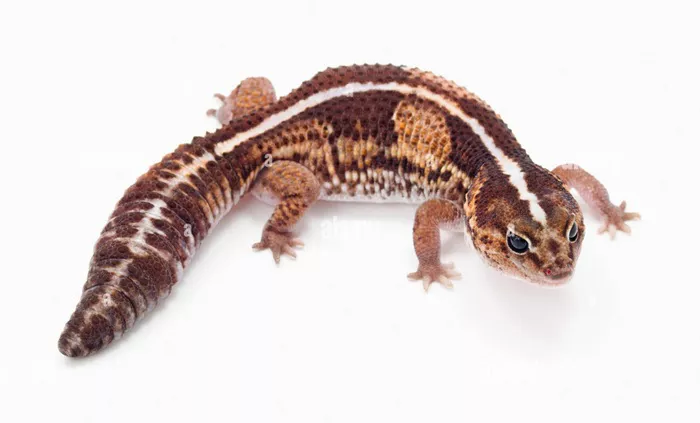
Imagine a gecko so unique, it looks like it just stepped out of a secret world. This is the African Fat-Tailed Gecko. With its distinctive, rounded tail and calm demeanor, this reptile is quickly becoming a favorite among gecko enthusiasts. But what makes it so special, and what do you need to know to care for one? If you’re wondering, you’re in the right place. Let’s dive into the fascinating world of the African Fat-Tailed Gecko and explore its habitat, diet, care needs, and why it could be your next pet.
Introduction to the African Fat-Tailed Gecko
The African Fat-Tailed Gecko, also known as Hemitheconyx caudicrassus, is a species of gecko native to the dry regions of West Africa, including countries like Nigeria and Senegal. Unlike some of its more well-known cousins, the leopard gecko, this species has a much rounder and fatter tail—hence its name. This unique tail serves as a storehouse for fat, which helps the gecko survive in harsh environments.
When you first encounter an African Fat-Tailed Gecko, one of the first things that stand out is its calm and relatively slow movements. They are nocturnal, meaning they’re most active during the night, and they tend to be less skittish than other geckos, making them ideal pets for beginners.
Why the African Fat-Tailed Gecko is the Ideal Pet
If you’re new to the reptile world, the African Fat-Tailed Gecko could be one of the best options for you. Here’s why:
Low Maintenance: They’re easy to care for compared to many other reptiles.
Calm Temperament: These geckos are not as easily stressed, making them enjoyable to handle.
Longevity: With proper care, these geckos can live up to 20 years, so you’re in for a long-term companion.
But before you make the leap into owning one, it’s important to understand what this gecko needs to thrive. In the next section, let’s explore their habitat and environment.
Habitat and Environment: Creating the Perfect Home for Your African Fat-Tailed Gecko
Imagine creating a little slice of Africa in your own home. The African Fat-Tailed Gecko hails from dry, arid environments, so it needs a habitat that mimics these conditions. Here’s how you can set up the perfect enclosure for your pet:
1. The Right Tank Size
For a single gecko, a 20-gallon tank should suffice. However, if you’re planning to keep more than one, consider a larger tank to give them enough space. You’ll want to provide plenty of floor space rather than height, as African Fat-Tailed Geckos aren’t great climbers.
2. Substrate Choice
The substrate (what goes on the floor of the tank) is an important consideration. You should avoid sand or any material that could be ingested by your gecko. Opt for reptile carpet or paper towels, which are both safe and easy to clean.
3. Heating and Lighting
While African Fat-Tailed Geckos don’t require intense lighting, they do need a temperature gradient to regulate their body heat. Set up a warm side with temperatures between 88-92°F and a cool side at around 75-80°F. A heat mat under one side of the tank works well, and you can use a low-wattage UVB light to simulate a day-night cycle.
4. Hiding Places
African Fat-Tailed Geckos are nocturnal, meaning they need safe places to hide during the day. Add a few hiding spots in your tank—like small caves or cork bark—where they can feel secure. This also helps them feel less stressed.
5. Humidity Levels
Since they come from arid regions, the African Fat-Tailed Gecko doesn’t require high humidity. However, a slight increase in humidity can help with shedding. Aim for 30-40% humidity, and consider providing a small moist hide (a container with damp paper towels) for shedding periods.
In summary, the key to a healthy gecko is replicating the warmth and dryness of its natural environment, with the right balance of comfort and hiding spaces. Now that the habitat is sorted, let’s take a look at feeding your African Fat-Tailed Gecko.
Feeding Your African Fat-Tailed Gecko: The Dos and Don’ts
African Fat-Tailed Geckos are insectivores, meaning they eat bugs! In the wild, they feast on a variety of small insects, and in captivity, you can recreate this diet easily.
1. Insects to Feed
The best food choices for your African Fat-Tailed Gecko are:
Crickets: The staple of many gecko diets. Make sure they’re gut-loaded (fed nutritious food) before offering them.
Mealworms: A good source of fat, but should be fed in moderation.
Dubia Roaches: Highly nutritious and easy to digest.
Superworms: Another great option for fat content.
2. Nutritional Supplements
To keep your gecko healthy, you should dust its food with calcium powder a few times a week and multivitamin powder once a week. This ensures your gecko gets all the essential nutrients it needs to thrive.
3. Water
Always provide a shallow bowl of fresh, clean water in the tank. Geckos will drink when they’re thirsty, and it’s important to make sure the water is changed daily to avoid any bacterial buildup.
4. Overfeeding: A Caution
While it might be tempting to feed your gecko every time it looks hungry, overfeeding can lead to obesity, especially since African Fat-Tailed Geckos have a tendency to store fat in their tails. Moderation is key. A good rule of thumb is to offer food 2-3 times a week for adults and more frequently for juveniles.
Feeding them right is crucial for their overall health and well-being. Now, let’s move on to health and care tips.
Health and Care: Keeping Your Gecko Happy and Healthy
One of the most rewarding aspects of owning an African Fat-Tailed Gecko is that they are generally low-maintenance, as long as their basic needs are met. However, like any pet, they do require regular care and attention.
1. Shed Regularly
If you’ve noticed your gecko shedding its skin, don’t be alarmed! This is a normal process, but sometimes it can be problematic if it doesn’t shed completely. Providing a moist hide during shedding periods helps the gecko shed in one go.
2. Regular Vet Checkups
Even though African Fat-Tailed Geckos are hardy, they should still be taken to a reptile vet for an annual checkup to make sure everything is going smoothly. This is especially important to catch any potential parasites or infections early.
3. Handling and Socialization
African Fat-Tailed Geckos are usually calm, but they are still sensitive creatures. When handling them, make sure to be gentle and avoid sudden movements. Over time, they will get used to being handled, and this can help strengthen your bond with them.
In case your gecko is showing signs of stress or illness—like lethargy, loss of appetite, or abnormal feces—don’t hesitate to consult a vet. Now, let’s talk about breeding.
Breeding African Fat-Tailed Geckos: Tips and Insights
Breeding African Fat-Tailed Geckos can be an exciting adventure, but it requires proper knowledge and preparation. If you’re thinking of breeding these geckos, here’s what you need to know.
1. Setting Up a Breeding Tank
You’ll need a separate breeding tank for your geckos. Ensure that it’s clean, spacious, and has the proper temperature gradient and humidity levels. The female will lay eggs in a safe hide, so provide a moist environment to help the eggs hatch.
2. Incubation and Hatchlings
Once the female lays her eggs, you’ll need to incubate them at around 82-85°F in an incubator. The eggs will typically hatch in about 60-90 days. Once they hatch, the babies are ready to start their new lives!
Conclusion
The African Fat-Tailed Gecko is more than just a pet—it’s a long-term companion that is easy to care for, rewarding to handle, and fascinating to watch. Whether you’re new to reptiles or a seasoned enthusiast, this species is an excellent choice. By providing the right habitat, diet, and care, you’ll unlock the full potential of your gecko, and your bond will only grow stronger over time.
Related topics: