
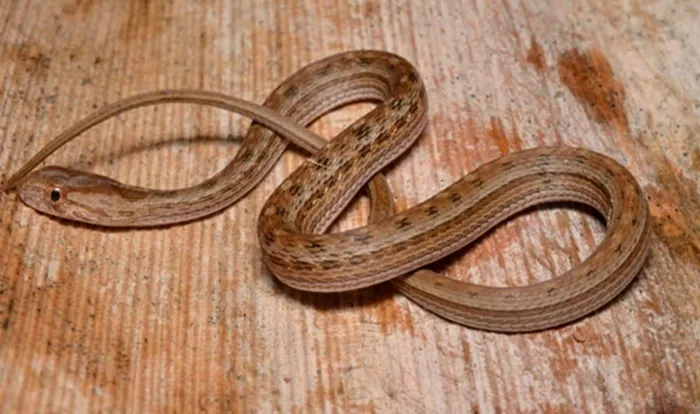
In the world of reptiles, the behavior of self-cannibalism in snakes is both fascinating and disturbing. While snakes are known for their unique hunting and feeding behaviors, the rare instances where they eat themselves raise significant biological and psychological questions. This phenomenon, although uncommon, has been documented in a variety of snake species across the globe. But why do snakes engage in such extreme behavior? Is it a sign of distress, confusion, or something deeper in their physiology?
This article will delve into the various reasons why snakes may eat themselves, exploring both the environmental and biological factors that contribute to this unusual behavior. We will also examine the myths and misconceptions surrounding snake self-cannibalism, offering a comprehensive and scientifically grounded understanding of this perplexing phenomenon.
The Basics of Snake Feeding Behavior
Before we explore the reasons behind self-cannibalism, it’s important to understand the normal feeding behavior of snakes. Snakes are carnivores, primarily relying on hunting to consume their prey. Their digestive system is adapted to handle large meals, often consuming prey items much larger than their head. Most snakes will eat regularly when food is available, using their keen sense of smell and heat detection to locate their prey.
However, snakes, like all animals, can experience disruptions in their behavior due to various factors, including health issues, environmental stressors, or even mistakes in their hunting instincts. These disruptions can sometimes lead to strange or maladaptive behaviors, such as self-cannibalism.
What Is Self-Cannibalism in Snakes?
Self-cannibalism refers to an animal eating parts of its own body. While this behavior is rare among snakes, it has been documented in some species, particularly in situations where the snake appears to be stressed, confused, or disoriented. This can happen when a snake mistakes part of its own body for prey or during episodes of extreme aggression or psychological distress.
In some extreme cases, self-cannibalism might involve a snake consuming its own tail or even parts of its own body in a full cycle of feeding on itself. This behavior is most commonly observed in captive snakes, though it has been noted in wild populations as well.
Potential Causes of Self-Cannibalism in Snakes
There are several theories and potential causes behind why a snake might eat itself. These can be broken down into several broad categories:
1. Stress and Anxiety
Snakes, like many other animals, can experience significant stress, particularly when kept in captivity. Stressors such as overcrowded enclosures, improper temperature and humidity levels, or lack of appropriate hiding spots can lead to anxiety and confusion in snakes. This heightened state of stress can sometimes manifest in maladaptive behaviors, including self-cannibalism.
When snakes are stressed, they may mistake part of their own body for prey, especially if they are hungry or confused due to their stress.
2. Environmental Factors
The environment plays a significant role in shaping a snake’s behavior. In the wild, snakes generally hunt for prey in their natural habitats, where they have access to food and shelter. However, in captivity, snakes are often kept in controlled environments that might not meet all of their physiological needs.
Temperature and humidity are critical to a snake’s wellbeing. If the environment is not suitable, snakes might exhibit behaviors that would not occur under normal circumstances. For example, if a snake is too cold or too hot, its neurological functions might be impaired, leading to erratic behavior like biting its own tail or body.
3. Hunger or Malnutrition
In some cases, self-cannibalism can be linked to hunger or malnutrition. Snakes have a slow metabolism, and when food is scarce or unavailable, they might attempt to eat anything they can find, including their own body parts. This is especially true for snakes that have been without food for an extended period of time or are in a weakened state due to nutritional deficiencies.
4. Aggression or Misinterpretation of Body Parts
Snakes, particularly certain species, are naturally aggressive hunters. Their instinct is to strike at anything that moves, even if it is not prey. In some cases, a snake may bite its own tail or body, not realizing it is attacking itself. This behavior may occur when the snake is in a heightened state of alertness, such as during mating season or in response to perceived threats.
5. Health Problems and Neurological Issues
Some snakes may experience neurological problems that cause them to behave abnormally. Conditions like parasitic infections, neurological disorders, or brain injuries can cause confusion, disorientation, or self-destructive tendencies. In these cases, the snake may be unable to distinguish its own body from external stimuli, leading to self-cannibalism.
Understanding the Role of Captivity in Snake Self-Cannibalism
One of the most common scenarios where snakes engage in self-cannibalism is captivity. In the wild, snakes typically don’t face the same pressures as those kept in enclosures. However, in captivity, snakes are confined to a limited space, and this can create a number of issues that lead to stress and abnormal behavior.
Inadequate housing conditions, improper lighting, insufficient prey, or even handling by humans can cause a snake to become stressed and potentially exhibit self-cannibalistic tendencies. Captive snakes may also experience boredom, which can trigger aggressive behavior or self-destructive actions.
Preventing Self-Cannibalism in Captive Snakes
For snake owners and enthusiasts, preventing self-cannibalism is essential for the wellbeing of the animal. There are several steps that can be taken to reduce the likelihood of this behavior occurring:
Proper Habitat Conditions: Ensure the snake’s enclosure is large enough and has appropriate temperature, humidity, and hiding spots. Snakes need a space where they can feel secure, so overcrowding or improperly maintained environments should be avoided.
Adequate Nutrition: Ensure that the snake receives a proper diet for its species, size, and age. Malnutrition or long periods without food can increase the likelihood of self-cannibalism.
Stress Reduction: Limit handling and provide the snake with a stable and quiet environment to reduce stress. Snakes are sensitive creatures, and changes in their environment can cause anxiety and confusion.
Veterinary Care: If a snake shows signs of self-cannibalism or unusual behavior, it is important to consult a veterinarian. Neurological issues or infections might be at the root of the problem, and medical treatment may be necessary.
Conclusion: The Mystery Behind Snake Self-Cannibalism
While self-cannibalism in snakes is a rare and strange behavior, it is not completely without explanation. The causes of this phenomenon can vary, but stress, poor environmental conditions, hunger, and neurological issues all play a role. Understanding the underlying factors that contribute to self-cannibalism can help prevent it from occurring, especially in captive snakes.
By maintaining appropriate care, addressing potential health problems, and ensuring proper feeding and environmental conditions, snake owners can help their pets live healthy, stress-free lives. Ultimately, while self-cannibalism in snakes is an intriguing subject, it is just one of many ways in which these complex creatures respond to their environment and circumstances.
Related topics: