
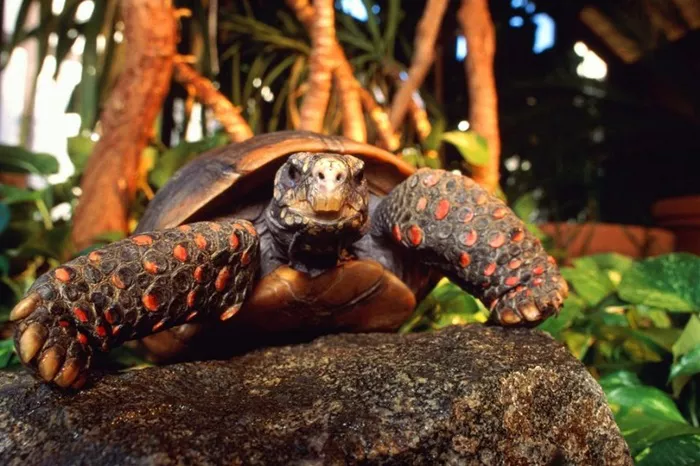
The red-footed tortoise (Chelonoidis carbonarius) is a popular pet among reptile enthusiasts due to its striking appearance, manageable size, and calm demeanor. Native to South America, especially the savannas and forests of countries such as Brazil, Venezuela, and Colombia, this tortoise is known for the distinctive red or orange scales on its legs and face, giving it the name “red-footed.”
Caring for a red-footed tortoise requires more than just a tank and food. These reptiles have complex needs that reflect their natural habitat. To keep them healthy in captivity, owners must recreate certain aspects of their environment, provide a balanced diet, ensure appropriate heating and humidity, and offer sufficient space for movement. Long-term care also includes veterinary checkups, hygiene maintenance, and mental stimulation.
In this article, we will explore everything a prospective or current owner needs to know about keeping a red-footed tortoise. Each section will cover a fundamental aspect of their care. Whether you are new to tortoise keeping or looking to refine your habitat setup, this guide offers in-depth and easy-to-understand information from a zoological perspective.
Choosing the Right Enclosure
Red-footed tortoises require spacious enclosures that allow them to walk, dig, and bask. Choosing the right enclosure is the first and most essential step in ensuring the tortoise’s physical and psychological well-being.
Indoor vs. Outdoor Housing
Red-footed tortoises can be kept both indoors and outdoors, depending on your local climate. In warmer regions with high humidity, an outdoor pen works well. However, in colder or drier climates, an indoor habitat becomes necessary, especially during winter.
Outdoor enclosures must be secure. Tortoises are surprisingly strong and curious. They can push through loose fences or burrow underneath. The enclosure should have sturdy sides, a roof or partial cover to provide shade, and a substrate that mimics their natural terrain. A depth of at least 12 inches is advised if the tortoise is a known digger.
Indoor setups require large, shallow enclosures. Many keepers use plastic tubs, custom-built wooden pens, or commercial reptile cages. Avoid glass aquariums unless they are large enough (at least 8 feet long), as tortoises need floor space more than vertical space. Glass can also confuse tortoises, causing stress from their inability to understand transparent barriers.
Size Requirements
Adult red-footed tortoises can grow up to 14 to 16 inches in length, though some individuals may reach 18 inches. A single adult tortoise requires an enclosure that is at least 8 feet long and 4 feet wide. Hatchlings and juveniles can be housed in smaller enclosures initially, but these must be upgraded as the tortoise grows.
Larger enclosures are always better. They allow for more natural behaviors, such as grazing, exploring, and thermoregulating. Overcrowding, even in a single-specimen setup, can lead to stress and health problems.
Substrate and Ground Cover
The substrate is the material used to cover the floor of the enclosure. It plays a critical role in maintaining humidity, allowing natural behavior like burrowing, and providing comfort.
Best Substrate Options
For red-footed tortoises, a substrate that retains moisture but drains well is ideal. Mixtures of organic topsoil, cypress mulch, coconut coir (also known as coco fiber), and sphagnum moss work well. You can blend these to create a layered and textured ground that supports digging and keeps humidity high.
Avoid substrates like sand, which can cause impaction if ingested. Similarly, gravel and wood chips can damage the tortoise’s plastron and feet or create ingestion hazards.
Maintaining Cleanliness
Even with a good substrate, regular cleaning is necessary. Remove feces and uneaten food daily. Spot clean the substrate and completely replace it every 4 to 6 weeks. Moist substrates can harbor bacteria if left unchanged for too long, leading to respiratory or skin infections.
Humidity control is also related to substrate choice. Light misting and occasional soaking of the substrate can help maintain the necessary moisture levels. However, ensure the substrate does not become waterlogged, as this can cause shell rot or fungal issues.
Temperature and Heating
Tortoises are ectothermic, meaning they rely on external sources to regulate their body temperature. A carefully controlled thermal gradient inside their enclosure allows them to warm up or cool down as needed.
Basking Spot and Ambient Temperature
Red-footed tortoises need a basking area with a temperature of about 90°F (32°C). The ambient temperature across the rest of the enclosure should range from 75°F to 85°F (24°C to 29°C). Nighttime temperatures can drop slightly, but they should not fall below 70°F (21°C).
Use ceramic heat emitters, mercury vapor bulbs, or incandescent basking bulbs to achieve the necessary warmth. Position the heat source on one end of the enclosure to create a gradient. This allows the tortoise to move freely between warm and cool zones as needed.
Thermometers and Thermostats
Place thermometers at both ends of the enclosure—near the basking site and in the cool zone—to monitor temperature gradients. Using a thermostat to regulate heat output is highly recommended. This prevents overheating, especially during warmer months or if your tortoise’s enclosure receives natural sunlight.
Avoiding Heat Stress
Tortoises can suffer from overheating. Signs include prolonged hiding, panting, excessive salivation, and listlessness. Ensure they always have access to a shaded or cool area. Never place their enclosure in direct sun without a shaded retreat.
Humidity and Hydration
Unlike desert tortoises, red-footed tortoises come from humid tropical regions. Maintaining high humidity levels is essential to their health, particularly for preventing respiratory illness and aiding in proper shell growth.
Ideal Humidity Levels
Aim to keep humidity between 70% and 80%. Hatchlings and juveniles may require slightly higher levels, up to 85%, as they are more susceptible to dehydration and improper shell development.
You can maintain humidity by misting the enclosure twice daily, using a moisture-retaining substrate, and covering part of the enclosure to reduce evaporation. Indoor habitats benefit from humidifiers or foggers placed on a timer to regulate moisture levels.
Water Access and Soaking
Always provide a shallow water dish that is large enough for the tortoise to soak its lower shell. The water should be changed daily and must be shallow to prevent accidental drowning, especially in young tortoises.
Weekly soaking in lukewarm water also helps with hydration, shedding, and bowel movements. For hatchlings, soaking three to four times a week is beneficial. During hot months or in dry climates, soaking may need to be more frequent.
Lighting and UVB Exposure
In their natural habitat, red-footed tortoises receive plenty of sunlight, which includes ultraviolet B (UVB) rays. UVB is necessary for synthesizing vitamin D3, which allows the tortoise to metabolize calcium effectively.
Types of UVB Lighting
If your tortoise is kept indoors, UVB lighting is non-negotiable. Use fluorescent UVB bulbs, such as T5 HO linear bulbs, or mercury vapor bulbs that provide both heat and UVB. The UVB light should be positioned within 12 to 18 inches of the tortoise and replaced every 6 to 12 months, even if it still appears to be functioning.
Avoid placing UVB lights behind glass or plastic, as these materials block UVB rays. The light should shine directly onto the basking area to simulate the natural sun.
Photoperiod
Maintain a consistent day-night cycle of about 12 hours of light and 12 hours of darkness. Use timers to automate the lighting schedule, preventing stress and maintaining natural behavior patterns.
Diet and Nutrition
Red-footed tortoises are omnivores, which means their diet includes both plant and animal matter. However, they lean heavily toward herbivory in captivity. A varied diet supports strong growth, immune function, and longevity.
Staple Foods
Their diet should consist of about 70% leafy greens and vegetables. Examples include collard greens, mustard greens, dandelion greens, endive, and escarole. Fruits should make up about 15% of the diet and include papaya, mango, berries, and melon. Limit fruit due to its sugar content.
The remaining 10–15% of the diet can consist of protein and other foods. Offer mushrooms, soaked kibble made for omnivorous reptiles, or a small amount of cooked egg or low-fat cat food once or twice per week.
Calcium and Supplements
Red-footed tortoises need calcium to build and maintain strong bones and shells. Dust their food with a calcium supplement two to three times per week. Also, provide a cuttlebone in the enclosure, which they can nibble on as needed.
Use a multivitamin supplement once per week, but do not overdo it, especially with vitamin A, as it can cause toxicity.
Avoid Harmful Foods
Never feed red-footed tortoises iceberg lettuce, rhubarb, avocado, or processed human food. These items can either offer no nutritional value or be toxic to reptiles.
Behavior and Social Needs
Understanding the natural behavior of red-footed tortoises is key to providing proper care. These animals are generally solitary in the wild, but they can be social under the right circumstances.
Activity Patterns
Red-footed tortoises are diurnal, meaning they are active during the day and sleep at night. In a well-set-up enclosure, you’ll see them walking, foraging, soaking, and basking during daylight hours. They are curious and enjoy exploring their environment.
In cooler weather or during seasonal changes, red-footed tortoises may slow down, although they do not truly hibernate. This state, often referred to as “brumation,” results in reduced activity and appetite. Monitor them during this time to ensure they are not becoming ill.
Interaction With Humans
These tortoises generally tolerate gentle handling but should not be handled excessively. Too much handling can cause stress, especially for young or newly acquired individuals. When handled, always support the body fully and avoid turning them upside down.
Red-footed tortoises may learn to recognize their caregivers and associate them with feeding. Over time, they may approach when they see you. While they are not cuddly pets, they can be endearing companions when treated with respect.
Housing Multiple Tortoises
Keeping more than one red-footed tortoise together can work, but it requires extra space and supervision. Males may fight, especially if females are present. If keeping a group, ensure each tortoise has enough room to roam, hide, and access food without competition.
Watch for signs of aggression like ramming, biting, or mounting. Separate individuals if tension persists. Female-only groups are usually more peaceful than mixed or male-only groups.
Enrichment and Mental Stimulation
Red-footed tortoises benefit from environmental enrichment. This includes providing opportunities for natural behaviors like digging, foraging, and exploring.
Hiding Spots and Terrain Variation
Offer multiple hiding places using hollow logs, plant pots, or commercial reptile hides. These give the tortoise a sense of security and help prevent stress. Avoid clear plastic hides, which do not provide the same psychological comfort as enclosed, opaque shelters.
Adding uneven terrain, such as rocks, mounds of substrate, or ramps, encourages exercise and mimics natural conditions. Just ensure the materials are stable and cannot trap or flip the tortoise.
Foraging Activities
Hide food throughout the enclosure rather than placing it in a single bowl. This encourages the tortoise to explore and engage in natural foraging behavior. Use edible plants like hibiscus or nasturtium, which can be placed directly in the habitat for occasional grazing.
Some keepers introduce puzzle feeders or scatter food to challenge their tortoise mentally. While red-footed tortoises are not as cognitively advanced as some animals, they benefit from any enrichment that keeps them moving and engaged.
Health Monitoring and Veterinary Care
Preventative healthcare is essential for maintaining a red-footed tortoise’s quality of life. While they are hardy animals, they can suffer from a variety of health issues if their care is not optimal.
Common Health Problems
Pyramiding: This shell deformity results from improper humidity or nutrition. The shell becomes bumpy and uneven. Prevent pyramiding with high humidity, regular soaking, and a calcium-rich, balanced diet.
Respiratory Infections: Symptoms include wheezing, nasal discharge, and lethargy. These are often caused by poor ventilation or low temperatures. Immediate veterinary care is necessary.
Shell Rot: Caused by bacterial or fungal infections, usually due to damp, unsanitary conditions. Shells may become soft or develop dark, foul-smelling areas.
Parasites: Internal parasites can be a problem, especially for wild-caught individuals. Symptoms include weight loss, diarrhea, and lethargy. Fecal exams by a reptile vet can detect and treat them.
Veterinary Visits
Schedule annual checkups with a reptile-experienced veterinarian. These visits help catch problems early. Always consult a vet if your tortoise shows a lack of appetite, unusual behavior, or signs of pain.
Keep records of your tortoise’s weight, diet, and activity. These notes are valuable for tracking changes over time and providing information to your veterinarian.
Cleaning and Maintenance
Keeping your tortoise’s habitat clean is crucial for its health and well-being. Dirty environments can lead to infections, parasites, and stress.
Daily Tasks
−Spot clean feces, uneaten food, and shed skin.
−Refill and clean the water dish.
−Mist the enclosure if necessary to maintain humidity.
Weekly and Monthly Tasks
−Wash food and water dishes with soap and hot water.
−Replace soiled substrate and sanitize the enclosure with a reptile-safe disinfectant.
−Deep clean hides and decorations to prevent bacterial buildup.
Always rinse thoroughly after cleaning to remove any soap or chemical residue. Never use harsh household cleaners like bleach or ammonia, which can harm reptiles.
Lifespan and Long-Term Commitment
Red-footed tortoises are long-lived animals. With proper care, they can live between 40 and 50 years in captivity. Some individuals have been known to reach over 60 years.
This means owning a red-footed tortoise is a multi-decade commitment. Before acquiring one, ask yourself if you’re prepared for that level of responsibility. Consider who will care for the tortoise if your circumstances change or when you’re older.
These tortoises are not suitable for short-term pet owners or those unwilling to invest in proper care. They require attention, space, and a consistent environment. However, for the right person, they offer a unique and rewarding relationship.
Legal Considerations and Sourcing
Before buying a red-footed tortoise, research local laws. Some areas regulate or restrict the ownership of exotic animals. Permits may be required for keeping or breeding tortoises.
Where to Get One
Purchase from a reputable breeder or rescue organization. Avoid buying from pet stores that cannot provide detailed care history. Wild-caught tortoises often come with parasites and stress-related illnesses. They are also part of declining wild populations and should not be collected from nature.
Ask for information about the tortoise’s age, diet, and past medical care. Reputable sellers should be transparent and willing to provide support after the sale.
Breeding and Egg Care (Optional)
If you plan to breed red-footed tortoises, be aware that it requires advanced knowledge, space, and ethical responsibility.
Egg Laying and Incubation
Females lay 5 to 15 eggs per clutch. Provide a deep, moist nesting area. After laying, eggs must be removed and incubated at around 84–88°F with 80% humidity. Incubation typically lasts 100 to 150 days, depending on temperature.
Raising hatchlings requires specific care, including high humidity, daily soaking, and finely chopped food. Only breed tortoises if you are equipped to raise and place the offspring responsibly.
Conclusion
Caring for a red-footed tortoise is a long-term, rewarding journey that requires dedication, knowledge, and preparation. These fascinating reptiles offer unique companionship for those willing to meet their needs. By understanding their natural behaviors, providing a suitable habitat, and maintaining proper diet and hygiene, you give your tortoise the best chance to thrive for decades.
This guide has covered the essential areas of red-footed tortoise care, including housing, temperature, lighting, diet, health, and enrichment. Each of these elements is interconnected and plays a vital role in your tortoise’s overall well-being. As a zoologist, I strongly encourage continued research and learning. Tortoise care is a dynamic field, and new insights continue to emerge through observation and science.
Red-footed tortoises are not beginner pets, but they are suitable for responsible owners willing to invest time and care. If you’re ready to make the commitment, these tortoises can become a captivating part of your life for many years to come.
Related topics: