
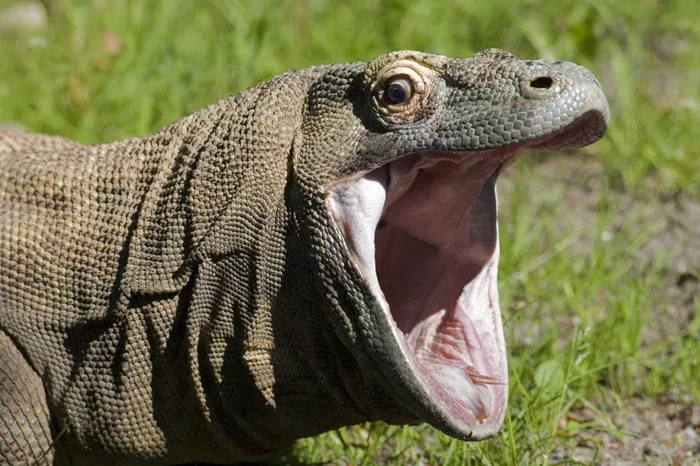
Komodo dragons are the largest living lizards on Earth. These fascinating reptiles have captured the imagination of scientists and nature lovers alike for more than a century. Known for their impressive size, powerful bite, and mysterious behaviors, Komodo dragons are both fearsome predators and important ecological contributors. But one question many people ask is: How long do Komodo dragons live?
To understand the lifespan of Komodo dragons, we must look into various aspects of their biology, ecology, and environment. This article will explore their life expectancy in the wild and in captivity, the factors that influence their longevity, how they age, and why it matters for conservation.
What Is a Komodo Dragon?
The Komodo dragon (Varanus komodoensis) is a species of monitor lizard that lives primarily on a few islands in Indonesia, including Komodo, Rinca, Flores, and Gili Motang. It belongs to the family Varanidae, a group of large and intelligent lizards.
Komodo dragons are known for their size. Adult males can reach up to 10 feet (3 meters) in length and weigh more than 150 pounds (70 kilograms). Females are usually smaller but still impressive. Their skin is armored with tough scales, and they have long, muscular tails, sharp claws, and powerful jaws.
These lizards are carnivorous. They hunt large prey such as deer, wild pigs, and even water buffalo. They also scavenge carcasses. With their strong sense of smell and stealthy movements, they are well adapted to their role as apex predators.
Where Do Komodo Dragons Live?
Komodo dragons are native to the Lesser Sunda Islands of Indonesia. They prefer hot, dry environments such as savannahs, open woodlands, and hillsides. They often make their homes in burrows that they dig themselves. These burrows offer shelter from the heat during the day and protection at night.
The wild habitat of the Komodo dragon plays a major role in how long it lives. Food availability, competition, weather conditions, and threats from humans or other dragons all affect their health and survival.
The Average Lifespan of Komodo Dragons in the Wild
Komodo dragons in the wild typically live around 20 to 30 years. However, this can vary depending on many factors, including environmental stress, food supply, and interspecies competition.
Studies conducted in Komodo National Park have shown that most dragons do not live beyond 30 years. Young dragons face high mortality rates. Many do not survive their first few years due to predators, disease, or lack of food. As they grow older, their size helps protect them, but they still face risks such as territorial fights and injuries from hunting.
Unlike mammals, reptiles do not show signs of aging in the same way. There is no clear “old age” in Komodo dragons, but as they get older, their activity levels may decrease. Injuries and infections become more common, and they may not hunt as efficiently.
Lifespan of Komodo Dragons in Captivity
Komodo dragons that live in zoos or research centers often live longer than those in the wild. Some individuals have been known to live up to 30 to 35 years in captivity.
Captive dragons benefit from consistent food supplies, regular veterinary care, and protection from predators or accidents. They are monitored closely, which allows caretakers to address health issues early. The stress of hunting and territorial conflicts is also reduced.
However, not all captive conditions are ideal. Poor enclosures, lack of stimulation, or stress from human interaction can reduce a Komodo dragon’s quality of life. Therefore, a well-managed zoo or sanctuary is essential for extending the lifespan of these animals.
Factors That Affect Komodo Dragon Lifespan
Several internal and external factors affect how long a Komodo dragon can live. Understanding these elements helps explain why some individuals live longer than others.
Diet and Nutrition
Komodo dragons are carnivores, and their diet plays a critical role in their health. In the wild, they consume large mammals, birds, reptiles, and carrion. A healthy diet helps them grow properly and maintain strength. Malnutrition, especially in young dragons, can lead to stunted growth and early death.
In captivity, their diet must mimic what they eat in the wild. Zookeepers often feed them rats, rabbits, or cuts of meat supplemented with vitamins. Poor diet management can lead to obesity or vitamin deficiencies, both of which can reduce lifespan.
Habitat Conditions
The natural habitat of a Komodo dragon must meet certain conditions to support their health. These include access to sun for thermoregulation, water for hydration, and shelter from extreme weather.
Loss of habitat due to human activity is a major concern. Deforestation, development, and tourism can disrupt their natural environments. Dragons displaced from their habitat often face stress and may not survive long.
Disease and Injury
Komodo dragons can suffer from various illnesses, including parasitic infections, bacterial diseases, and physical injuries. In the wild, a serious wound can become infected, leading to death. Dragons often fight over territory or mates, and these encounters can be deadly.
Veterinary care in captivity helps prevent and treat diseases. This is a major reason why captive dragons may live longer than wild ones.
Predation and Cannibalism
While adult Komodo dragons have few natural predators, young dragons are vulnerable. Birds of prey, snakes, and even adult dragons will eat hatchlings or juveniles. In fact, cannibalism is common among Komodo dragons. Younger individuals often stay in trees to avoid being eaten by older, larger dragons.
This natural threat limits how many young dragons survive to adulthood, which impacts overall lifespan averages for the population.
Human Interaction
Humans have both positive and negative effects on Komodo dragon lifespans. On one hand, conservation efforts have helped protect their habitats and increase public awareness. On the other hand, habitat destruction, poaching, and irresponsible tourism can reduce their life expectancy.
Roads, boats, and human settlements near dragon habitats can lead to collisions, pollution, or accidental injuries to the animals. Illegal hunting and collection for trade are also concerns, although protections have improved in recent years.
The Life Stages of a Komodo Dragon
To better understand how long Komodo dragons live, it helps to examine their life cycle.
Egg Stage
Female Komodo dragons lay their eggs in September, often in burrows or abandoned nests. A typical clutch contains about 15 to 30 eggs. The eggs take around 8 to 9 months to hatch. During this time, the female may guard the nest, although not always consistently.
Juvenile Stage
Once the eggs hatch, the baby dragons are about 16 inches (40 cm) long. They are highly vulnerable and spend most of their time in trees to avoid predators, including adult dragons. This stage is the most dangerous. More than half of the young may die within the first year.
Subadult Stage
As they grow, Komodo dragons become bolder and start to explore the ground. By age 5 to 7, they may reach several feet in length and weigh over 50 pounds. They begin hunting larger prey and learning survival strategies.
Adult Stage
By around 8 to 9 years old, Komodo dragons are considered adults. They are fully capable of hunting large animals and defending territory. Reproduction usually begins around this time.
Senior Stage
After about 20 years, most Komodo dragons begin to show signs of aging. Their movements may slow, and their teeth and claws can become worn. However, aging is less well-studied in reptiles than in mammals, so it is difficult to define exactly when a Komodo dragon becomes “old.”
How Scientists Study Komodo Dragon Lifespan
Learning about the lifespan of Komodo dragons is not easy. Scientists use a variety of methods to study their age and longevity.
These include:
Tagging and tracking: By attaching GPS devices or identification tags to individuals, researchers can follow their movements and behaviors over time.
Observation in the wild: Long-term studies in national parks help estimate survival rates and reproductive success.
Captive studies: Zoos and research facilities provide controlled environments to study health, aging, and behavior.
Bone and scale analysis: Just like counting tree rings, researchers can sometimes estimate age by analyzing growth patterns in bones and scales, although this is still developing.
Conservation and Why Lifespan Matters
Understanding how long Komodo dragons live is essential for conservation. These animals are listed as Endangered on the IUCN Red List due to habitat loss, climate change, and human activity.
Long-lived species reproduce slowly. If adults are killed before reproducing, the population cannot easily recover. Knowing their average lifespan helps conservationists plan better strategies, including breeding programs, habitat protection, and education efforts.
Efforts to protect Komodo dragons include:
Komodo National Park: A protected area that is home to most of the wild Komodo population.
Breeding programs: Zoos around the world are helping maintain healthy populations in captivity.
Education and tourism controls: Limiting human impact through awareness and responsible tourism practices.
Conclusion
Komodo dragons are ancient and powerful reptiles with complex lives. In the wild, they typically live around 20 to 30 years. In captivity, with proper care, they may reach 35 years or more. Their lifespan is influenced by diet, environment, health, and human activity.
Understanding how long Komodo dragons live is not just a matter of curiosity. It is key to their survival. These creatures are endangered and face growing threats from a changing world. The more we learn about their biology and behavior, the better we can protect them.
In the end, every Komodo dragon that lives a full, healthy life contributes to the future of its species. As scientists and conservationists continue to study these remarkable reptiles, they bring us closer to ensuring that Komodo dragons remain part of Earth’s rich biodiversity for generations to come.
Related topic