
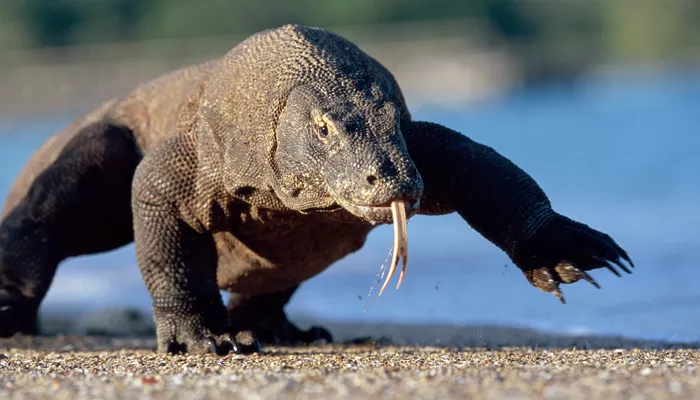
Komodo dragons are among the most fascinating reptiles in the world. They are the largest living species of lizard and are known for their power, size, and prehistoric appearance. These creatures are often associated with mystery and danger. However, many people still wonder where they live. This article will provide a detailed look at the natural habitats of Komodo dragons, their geographical range, the ecosystems they depend on, and the challenges they face in the wild.
Introduction to the Komodo Dragon
The Komodo dragon (Varanus komodoensis) belongs to the monitor lizard family. It is a giant reptile that can grow up to 10 feet in length and weigh over 150 pounds. Komodo dragons have strong limbs, sharp claws, and a powerful tail. Their long, forked tongue helps them detect prey from several kilometers away. These reptiles are carnivorous and hunt both small and large animals, including deer, pigs, and water buffalo. They are even known to feed on carrion.
Komodo dragons are not only impressive because of their size and hunting skills. They are also fascinating due to their limited distribution. They are only found in a few specific locations in the world, which adds to their unique status among reptiles.
Habitats of Komodo Dragons
Tropical Savannas and Dry Forests
Komodo dragons prefer hot and dry environments. Most of their natural habitat consists of tropical savannas, open grasslands, and dry deciduous forests. These areas offer a good balance of cover for hunting and open space for basking in the sun. Komodo dragons are cold-blooded animals, so they need the sun to regulate their body temperature. They spend part of their day sunbathing to warm up and become active.
The dry forests in their range are composed of hardy trees such as acacia and lontar palms. These trees are adapted to survive with limited water and form an important part of the ecosystem. Fallen leaves, shrubs, and grasses also play a role by providing cover for both the dragons and their prey.
Hilly Terrain and Coastal Areas
In addition to savannas and forests, Komodo dragons are also found in hilly terrain and coastal regions. The islands they inhabit are often mountainous, with many hills and valleys. These landforms provide caves and shaded areas for shelter. Komodo dragons use these places to hide from extreme heat or to rest after feeding.
Coastal zones are also important. Dragons are often seen near beaches or mangrove swamps. They can swim short distances and sometimes move between nearby islands. Though they are not aquatic animals, they are strong swimmers and can travel from one island to another in search of food or mates.
Islands Where Komodo Dragons Are Found
Komodo Island
Komodo Island is the most famous habitat of the Komodo dragon. It is part of Komodo National Park and home to a significant population of these reptiles. The island covers around 390 square kilometers and is known for its rugged hills, dry savannas, and crystal-clear coastal waters.
Komodo Island attracts thousands of tourists each year. Visitors come to see the dragons in their natural environment, often under the guidance of park rangers. Strict regulations are in place to protect both the animals and the people who visit them.
Rinca Island
Rinca Island is also part of Komodo National Park and is slightly smaller than Komodo Island. However, it has a large number of Komodo dragons. In fact, many researchers prefer Rinca for field studies because it is less crowded with tourists, offering a more natural experience.
The island’s terrain is similar to Komodo’s, with dry hills and open woodlands. Wildlife on Rinca includes deer, buffalo, monkeys, and wild boar — all potential prey for the Komodo dragon.
Padar Island
Padar Island used to have Komodo dragons, but their population has declined significantly. Today, dragons are rarely seen there. The island is still part of the national park and is known for its breathtaking views and unique beach colors, which range from pink to white to black.
Although Komodo dragons are no longer common on Padar, the island plays a role in conservation through ecotourism and habitat protection.
Gili Motang
Gili Motang is a small volcanic island located to the southeast of Komodo Island. It has a very limited population of Komodo dragons, estimated at fewer than 100 individuals. Because of its small size and remote location, the island is rarely visited.
Gili Motang is important from a conservation perspective. It helps ensure genetic diversity among dragon populations. The isolation also protects the dragons from human contact and disease.
Flores Island
Flores is the largest of all the islands where Komodo dragons live. It is not part of Komodo National Park, but it is still home to several wild populations of dragons. However, these populations are more scattered and vulnerable to human activities such as farming and deforestation.
On Flores, Komodo dragons are typically found in the western and northern regions. Conservation efforts are underway to protect their remaining habitats and reduce conflict with humans.
Conservation and Threats
Habitat Loss
One of the main threats to Komodo dragons is habitat loss. As human populations grow and expand, forests and grasslands are often cleared for agriculture or development. This reduces the area available for the dragons to live and hunt.
Additionally, habitat fragmentation isolates dragon populations. When small groups are cut off from each other, it becomes harder for them to find mates and maintain healthy genetic diversity.
Climate Change
Rising temperatures and changing rainfall patterns also pose a threat. Komodo dragons depend on specific temperature ranges for breeding and survival. If climate change alters these conditions, the dragons may struggle to reproduce.
Increased temperatures may also dry out the vegetation and reduce prey populations. Less food means more competition and lower survival rates for young dragons.
Human Interaction
Human activities such as tourism, poaching, and pollution also impact Komodo dragon populations. While tourism brings money and awareness to conservation, it must be managed carefully. Too many visitors can stress the animals and damage their habitats.
Poaching is a lesser threat today, but it still occurs. Some people hunt the dragons’ prey species, such as deer or pigs, which affects the food chain. Others may collect dragon eggs or young lizards illegally.
Pollution, especially plastic waste and oil spills, can also harm the environment where these dragons live. Protecting the islands requires cooperation between local communities, governments, and conservation groups.
Conservation Efforts
To protect Komodo dragons, Indonesia has taken several important steps. Komodo National Park was established to safeguard the dragons and their habitats. The park is a UNESCO World Heritage Site and covers over 1,700 square kilometers of land and sea.
−Rangers monitor dragon populations and ensure the safety of both animals and tourists. Scientific research is ongoing to learn more about dragon behavior, genetics, and health.
−Education programs help local people understand the importance of Komodo dragons. By involving communities in conservation, the efforts become more sustainable and effective.
−International organizations also support conservation. Funding and expertise from around the world help maintain the balance between tourism, local development, and environmental protection.
Conclusion
Komodo dragons are found only in a small corner of the world — the Indonesian islands of Komodo, Rinca, Padar, Gili Motang, and Flores. These islands offer the exact mix of climate, terrain, and prey that these large reptiles need to survive.
Understanding where Komodo dragons live helps us appreciate their uniqueness and the fragile ecosystems they inhabit. These islands are not just homes for dragons, but also for many other rare and beautiful forms of life.
With proper conservation efforts, strong regulations, and global awareness, we can ensure that Komodo dragons continue to roam their island habitats for generations to come. Their limited range makes them vulnerable, but it also makes them incredibly special. Protecting them is not just about saving one species — it’s about preserving a piece of the planet’s natural heritage.
Related topic
- How Long Do Komodo Dragons Live?
- What Is the Diet of a Komodo Dragon?
- How Big Do Komodo Dragons Grow?