
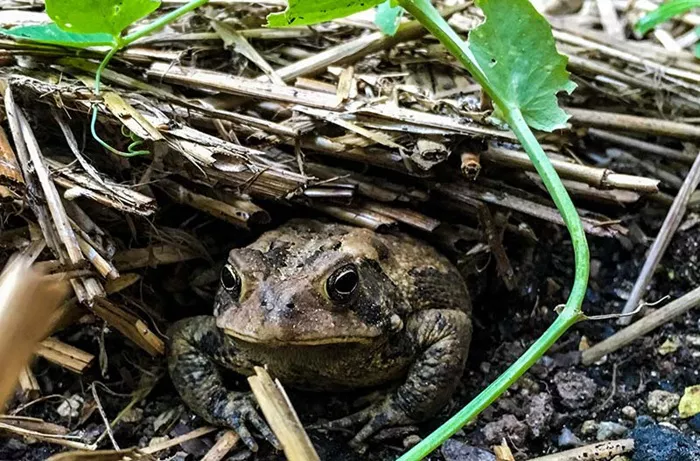
The American toad is a common amphibian found across North America. These small, stout amphibians are well adapted to survive in temperate climates. One of the most fascinating aspects of their life cycle is hibernation. Hibernation is a state of dormancy that helps toads survive the harsh winter months when food is scarce and temperatures drop. Understanding when and how American toads hibernate is important for researchers, hobbyists, and anyone interested in amphibian behavior.
What is Hibernation?
Hibernation is a period of inactivity that allows certain animals to conserve energy during unfavorable environmental conditions. For American toads, hibernation usually occurs in the winter. During this time, their metabolism slows down, and they become less active. This process helps them survive cold temperatures that would otherwise be fatal. Hibernation differs from regular sleep because it lasts for months and involves significant physiological changes.
Signs That American Toads Are Preparing to Hibernate
As the weather turns colder, American toads begin to prepare for hibernation. Some signs include:
- Decreased activity: Toads will move less and spend more time hiding under leaves or soil.
- Increased food consumption: Before hibernation, they may eat more to store fat for the winter.
- Seeking shelter: Toads look for safe, insulated spots to hide, such as under logs, rocks, or in burrows.
Timing of Hibernation
The exact timing of hibernation depends on the local climate. In general:
- In northern regions, hibernation starts as early as September or October.
- In central regions, it may begin around November.
- In warmer southern areas, hibernation might be delayed until December or even January.
The American toad emerges from hibernation in the spring, typically around March or April, when temperatures rise and food becomes more available.
Where Do American Toads Hibernate?
American toads are versatile in choosing hibernation sites. They need safe, insulated places that protect them from freezing. Common hibernation locations include:
- Underground burrows: Toads dig or occupy burrows in the soil.
- Under leaf litter: Thick layers of leaves provide insulation and protection.
- Logs and rocks: Spaces under logs or rocks can serve as natural shelters.
- Man-made structures: In urban areas, toads sometimes use gardens, crawl spaces, or compost piles.
Physiological Changes During Hibernation
During hibernation, American toads undergo several important physiological changes to survive the cold:
- Slowed metabolism: Their bodies use energy much more slowly, reducing the need for food.
- Reduced heart rate and breathing: This conserves energy and oxygen.
- Water conservation: Toads lose less water during hibernation, preventing dehydration.
- Fat utilization: Stored fat provides energy throughout the winter months.
Temperature and Hibernation
Temperature plays a critical role in triggering hibernation. American toads are ectothermic, meaning their body temperature depends on the environment. As temperatures drop below about 45°F (7°C), toads begin seeking hibernation sites. Freezing conditions are dangerous, so finding proper shelter is essential. The ideal hibernation spot is below the frost line or insulated enough to avoid freezing.
Risks During Hibernation
Although hibernation helps American toads survive the winter, it is not without risks:
- Predators: Buried toads are mostly safe, but some predators, like snakes or small mammals, may find them.
- Freezing: Inadequate insulation can lead to freezing and death.
- Drought: Toads need moisture, and a dry winter environment can cause dehydration.
- Human disturbance: Digging, construction, or landscaping can destroy hibernation sites.
Emergence from Hibernation
When spring arrives, rising temperatures and increased rainfall signal toads to emerge. Their metabolism resumes, and they begin searching for food and mates. Emergence typically coincides with the availability of insects, worms, and other small invertebrates, which are crucial for recovery after months of fasting.
Behavior After Hibernation
Once awake, American toads display increased activity. They move to breeding ponds, where males call to attract females. Hibernation ensures they survive winter and are ready for the reproductive season. After mating, adults continue feeding and building fat reserves for the next winter.
Hibernation and Conservation
Understanding American toad hibernation is important for conservation. Protecting hibernation sites ensures healthy populations. Habitat destruction, pollution, and climate change can disrupt hibernation cycles, affecting survival and reproduction. Gardeners and landowners can help by preserving leaf litter, logs, and undisturbed soil areas.
Conclusion
American toads hibernate during the cold months to survive unfavorable conditions. They begin preparing as temperatures drop, seek insulated shelters, and undergo significant physiological changes. Timing varies with climate, but hibernation typically lasts from late fall to early spring. Protecting their hibernation sites is crucial for their survival. Understanding these patterns allows researchers, hobbyists, and nature enthusiasts to better appreciate the life cycle of this resilient amphibian.