
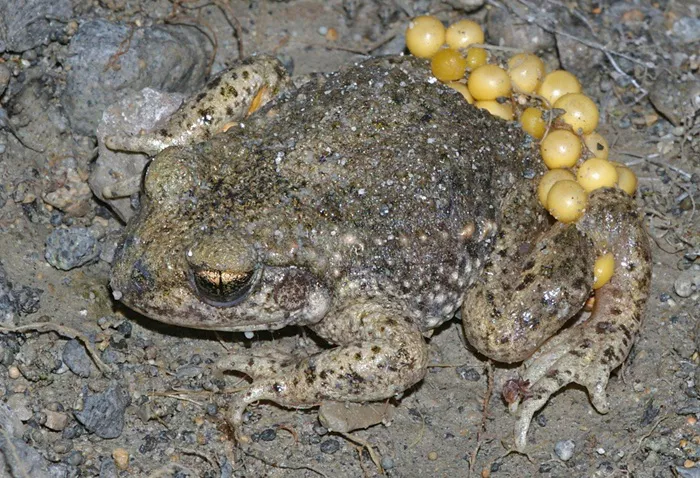
American toads (Anaxyrus americanus) are common amphibians found throughout eastern North America. They are known for their warty skin, distinctive calls, and adaptability to a variety of habitats. Understanding when American toads lay eggs is important for both researchers and hobbyists who wish to observe these fascinating creatures. This article explores the breeding habits of American toads, their environmental requirements, and the timing of egg-laying in detail.
Life Cycle of the American Toad
The American toad has a typical amphibian life cycle consisting of four main stages: egg, tadpole, juvenile, and adult. The process begins with egg-laying in freshwater environments. Once the eggs hatch, they develop into tadpoles, which eventually undergo metamorphosis to become juvenile toads. Finally, juveniles mature into adults capable of reproduction. Each stage of the life cycle is influenced by environmental conditions and seasonal changes.
Breeding Season of American Toads
American toads usually breed in the spring, soon after emerging from hibernation. The exact timing depends on the climate and geographic location. In northern regions, breeding may begin in late March or April, while in southern areas, it can start as early as February. Temperature and rainfall are critical factors that trigger breeding behavior. Male toads call loudly to attract females during this time, creating a chorus that can be heard near ponds, marshes, and slow-moving streams.
Environmental Factors Influencing Egg-Laying
Several environmental conditions play a role in determining when American toads lay eggs:
- Temperature: Toads are cold-blooded animals, so warmer temperatures in spring signal the start of breeding.
- Rainfall: Adequate rainfall fills temporary pools and ponds, providing safe places for egg deposition.
- Photoperiod: Increasing daylight hours also stimulate reproductive hormones in both males and females.
- Habitat availability: Shallow, calm water bodies with minimal predators are preferred for laying eggs.
Egg-Laying Process
Once the female is ready to lay eggs, she seeks a suitable water body. American toads lay eggs in long strings, often wrapped around vegetation in ponds or slow streams. A single female can lay between 2,000 and 20,000 eggs, depending on her size and health. Males accompany females during egg deposition to fertilize the eggs externally. The entire process may take several hours to complete.
Timing of Egg Development
After the eggs are laid, the development of embryos begins. Water temperature plays a major role in the speed of development. In warmer waters, eggs can hatch in as few as 6–8 days. Cooler temperatures may delay hatching for up to two weeks. The eggs are transparent and jelly-like, which provides some protection against drying out and predators. During this time, they remain attached to vegetation or float near the water surface.
Tadpole Stage
Once hatched, American toad tadpoles are small, dark, and aquatic. They feed on algae and plant matter for several weeks while growing and developing legs. The tadpole stage typically lasts 6–12 weeks, depending on environmental conditions. During this period, water quality, temperature, and food availability significantly affect survival rates. Tadpoles are vulnerable to predators such as fish, insects, and birds.
Metamorphosis into Juvenile Toads
As tadpoles grow, they undergo metamorphosis, gradually transforming into juvenile toads. Their tails shrink, limbs grow, and lungs develop to allow breathing on land. This stage marks the transition from aquatic to terrestrial life. Juveniles leave the water and begin foraging on land. The timing of metamorphosis is influenced by water temperature, food abundance, and population density in the pond.
Frequency of Egg-Laying
American toads typically breed once a year, but some individuals may lay eggs twice under favorable conditions. The first breeding usually occurs in early spring. If there is a second opportunity, it may happen later in the spring or early summer. However, multiple breeding events are less common and depend heavily on climate and environmental stability.
Signs That American Toads Are Ready to Lay Eggs
Observing American toads in the wild can reveal when they are preparing to lay eggs. Key signs include:
- Males calling in choruses near water bodies.
- Females becoming noticeably plump with eggs.
- Increased movement towards ponds and temporary pools.
- Activity during nighttime, which is when breeding is most common.
Conservation Considerations
American toads are sensitive to environmental changes. Loss of breeding habitats, pollution, and climate change can disrupt egg-laying cycles. Conserving ponds, wetlands, and other freshwater habitats is essential for maintaining healthy populations. By understanding the timing and conditions of egg-laying, conservationists can implement measures such as protecting temporary pools and monitoring water quality during breeding seasons.
Human Interaction and Observation Tips
For hobbyists or researchers who want to observe American toad egg-laying, it is important to do so responsibly. Avoid disturbing the toads or their eggs, maintain a safe distance, and do not remove eggs from their natural habitat. Nighttime observation is most effective, as this is when toads are active. Using red or dim lights reduces stress on the animals. Documenting egg-laying can provide valuable data for studies on amphibian populations and climate impact.
Regional Differences in Egg-Laying
American toads show regional variations in breeding times. In colder northern areas, breeding may be brief and concentrated in a few weeks. In warmer southern areas, breeding can start earlier and last longer. Local rainfall patterns, temperature fluctuations, and pond availability all contribute to these regional differences. Understanding local ecology is important for predicting when egg-laying will occur in specific areas.
Challenges to Successful Egg-Laying
Several challenges can affect the success of American toad egg-laying:
- Predation by birds, fish, and other amphibians.
- Desiccation if temporary ponds dry up too quickly.
- Pollution or chemical contamination in water bodies.
- Competition for limited breeding sites with other amphibians.
By monitoring these challenges, researchers can develop strategies to improve survival rates of eggs and tadpoles.
Scientific Research on Egg-Laying
Research studies have shown that American toad reproduction is closely tied to environmental cues. Scientists use field observations, laboratory experiments, and long-term monitoring to understand egg-laying patterns. Findings indicate that changes in climate, urbanization, and habitat loss directly influence breeding timing and success. This research is essential for amphibian conservation and ecological studies.
Conclusion
American toads lay eggs primarily in spring, influenced by temperature, rainfall, and habitat availability. Understanding their reproductive cycle provides insights into their ecology and helps protect these important amphibians. From the selection of breeding sites to the hatching of tadpoles, every stage of egg-laying is shaped by environmental conditions. Responsible observation and conservation of freshwater habitats ensure that American toads continue to thrive across North America. By studying when and how they lay eggs, we gain a deeper appreciation of their life cycle and the delicate balance of nature that supports them.