
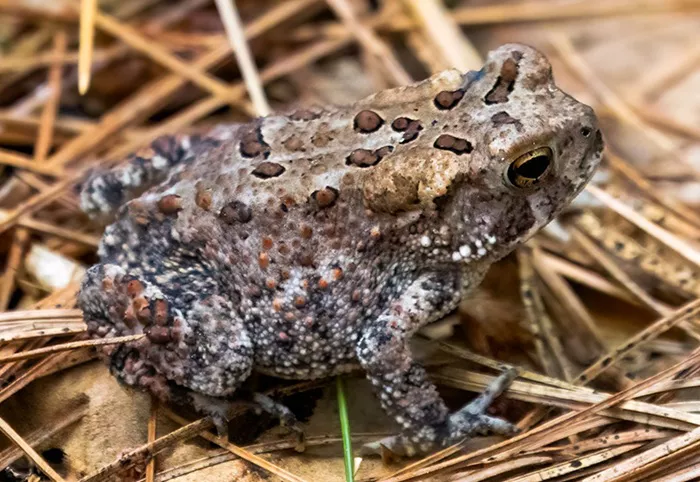
American toads are common amphibians found across North America. They belong to the species Anaxyrus americanus and are known for their warty skin, distinctive calls, and terrestrial habits. Many people are curious about whether these toads help in controlling mosquito populations. Understanding their diet, feeding habits, and ecological role can shed light on this question.
Overview of American Toads
Physical Characteristics
American toads are medium-sized amphibians, typically ranging from 2 to 4 inches in length. They have a broad, flat body, short legs, and dry, bumpy skin. Their coloration can vary from brown, gray, or reddish, providing camouflage in leaf litter and soil. The warts on their skin are a defining feature and can secrete mild toxins to deter predators.
Habitat and Distribution
American toads inhabit a wide range of environments, including forests, grasslands, gardens, and suburban areas. They are often found near moist areas like ponds, streams, and marshes, which provide suitable breeding grounds. These toads are highly adaptable and can survive in areas with human activity, making them common in backyards and parks.
Life Cycle
The life cycle of American toads starts with eggs laid in freshwater. The eggs hatch into tadpoles, which live in water for several weeks before metamorphosing into juvenile toads. Young toads gradually move to land as they mature. Adult toads can live up to 10 years in the wild under favorable conditions.
Diet of American Toads
General Feeding Habits
American toads are primarily insectivorous, feeding on a variety of invertebrates. They are opportunistic feeders, meaning they will eat almost any small animal they can catch and swallow. Their diet includes insects, worms, spiders, slugs, and other small creatures. They typically hunt at night using their sticky tongues to capture prey.
Do They Eat Mosquitoes?
Yes, American toads do eat mosquitoes. Mosquitoes are part of their diet, particularly during the warmer months when mosquitoes are abundant. American toads help reduce mosquito populations by consuming both adult mosquitoes and mosquito larvae when present in shallow water. However, mosquitoes make up only a portion of their diet, and toads consume many other insects as well.
Hunting Techniques
American toads are ambush predators. They remain still and wait for insects to come close before quickly snapping them up with their sticky tongue. Their nocturnal activity aligns with mosquito behavior, making them effective at capturing these pests. Toads may also forage in gardens, fields, and near water sources, which increases their chances of encountering mosquitoes.
Ecological Role of American Toads
Natural Pest Control
American toads play a critical role in controlling insect populations, including mosquitoes, beetles, caterpillars, and flies. By feeding on these insects, they help maintain ecological balance and reduce the spread of pests that can harm plants or carry diseases. Their presence in gardens and wetlands contributes to natural pest management.
Impact on Human Environments
In residential areas, American toads can indirectly help humans by reducing mosquito populations. While they will not eliminate mosquitoes entirely, their feeding activity can lower numbers and decrease the frequency of mosquito bites. Encouraging toads in gardens by providing water, shelter, and vegetation can enhance this natural pest control benefit.
Predation and Threats
American toads themselves are prey for birds, snakes, raccoons, and larger amphibians. Habitat destruction, pollution, and pesticides can reduce their populations. Protecting toad habitats ensures that they continue to contribute to controlling insects, including mosquitoes, naturally.
Factors Affecting Mosquito Consumption
Availability of Prey
The number of mosquitoes consumed by American toads depends on prey availability. In areas with high mosquito density, toads are more likely to feed on them frequently. During seasons with fewer mosquitoes, toads shift their diet to other insects.
Seasonal Behavior
American toads are more active during spring and summer, which coincides with peak mosquito activity. Their nocturnal foraging pattern also aligns with when mosquitoes are most active, increasing the likelihood of predation.
Environmental Conditions
Moisture, temperature, and habitat structure influence toad feeding. Toads prefer humid environments, which support insect abundance. Providing shaded, moist areas in gardens encourages toads to stay and feed, indirectly helping to reduce mosquito populations.
American Toads vs Other Mosquito Predators
Bats
Bats are well-known mosquito predators and can consume hundreds in a single night. While bats specialize in flying insects, American toads catch mosquitoes on land, complementing other natural control agents.
Dragonflies
Dragonflies and their larvae are voracious mosquito predators. Adult dragonflies hunt in the air, while nymphs feed in water. American toads add an additional layer of predation by targeting both adult mosquitoes and other ground-dwelling insects.
Birds
Several bird species, such as swallows and purple martins, feed on mosquitoes. Toads, in contrast, are nocturnal and hunt at night, reducing competition for prey and expanding overall mosquito control across day and night.
Encouraging American Toads in Your Garden
Creating Suitable Habitat
Providing shelter, moisture, and vegetation encourages American toads to stay in gardens. Leaf litter, rocks, logs, and shallow water sources offer ideal hiding and breeding spots. These elements make gardens more inviting for toads and increase their natural pest control services.
Minimizing Chemical Use
Pesticides and herbicides can harm toads directly and reduce insect prey. Using organic gardening methods allows toads to thrive and continue feeding on mosquitoes and other pests naturally.
Water Sources
Shallow ponds, water dishes, or small wet areas can attract toads, especially during breeding season. However, ensure the water is free from pollutants and not deep enough to trap juvenile toads or tadpoles.
Scientific Observations
Research Studies
Studies on amphibian diets confirm that American toads consume mosquitoes among a wide variety of insects. Researchers observe that toads play a complementary role in mosquito control alongside other predators. While they are not a standalone solution for mosquito infestations, their ecological contribution is significant.
Impact on Mosquito-Borne Diseases
By preying on mosquitoes, American toads indirectly reduce the spread of diseases like West Nile virus, Zika, and malaria in affected regions. Though their impact is localized, maintaining healthy toad populations contributes to broader ecological and human health benefits.
Common Misconceptions
Toads as Primary Mosquito Controllers
Some people believe toads can eliminate all mosquitoes. In reality, they consume only a fraction of mosquitoes present. They are a natural supplement to other control measures, not a replacement.
Handling and Safety
American toads secrete mild toxins from their skin that can irritate sensitive skin or eyes. They are safe for observation but should not be handled excessively. These toxins are also a defense mechanism that helps them survive in the wild.
Conclusion
American toads do eat mosquitoes, but they are opportunistic feeders that consume a wide range of insects. Their nocturnal hunting habits and adaptability make them effective contributors to natural pest control. Encouraging their presence in gardens and protecting their habitats supports ecological balance and helps reduce mosquito populations. While they are not a complete solution for mosquito control, their role in maintaining a healthy ecosystem is invaluable.