
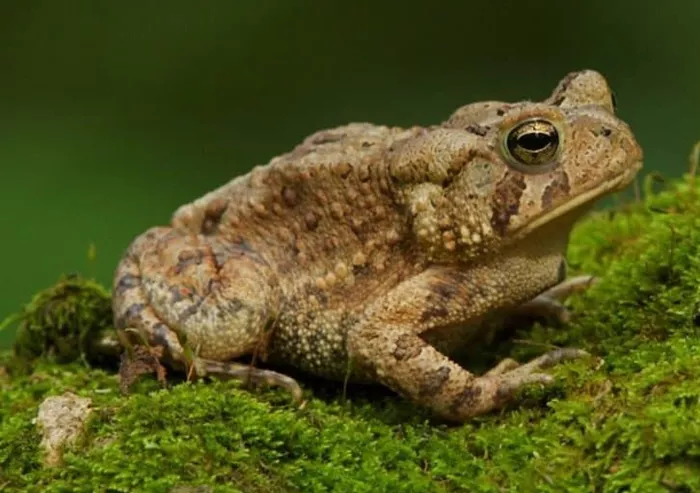
The American toad (Anaxyrus americanus) is a common amphibian found across North America. These toads are fascinating creatures that play a crucial role in their ecosystems. One of the most intriguing aspects of American toads is their feeding behavior. Understanding how much they eat, what they prefer, and how their diet changes with age and season is essential for both hobbyists and researchers. In this article, we will explore in detail the feeding habits of American toads, their dietary preferences, and factors that influence how much they eat.
Overview of American Toads
American toads are medium-sized amphibians, typically ranging from 2 to 4 inches in length. They are recognized by their bumpy skin, brown or gray coloration, and distinctive short legs. These toads are primarily terrestrial but return to water for breeding. Their diet reflects their opportunistic nature, feeding on a variety of invertebrates and small insects.
Feeding Habits of American Toads
American toads are nocturnal feeders. They usually hunt at night, using their keen sense of sight and smell to locate prey. During the day, they often hide under leaves, logs, or soil to avoid predators and desiccation. Their feeding habits are influenced by factors such as age, size, season, and environmental conditions.
Nocturnal Hunting
American toads are most active at night when humidity levels are higher. This is because their skin needs moisture to remain functional for breathing and hydration. During nighttime hunts, they consume a variety of invertebrates, including insects, worms, and spiders. They often wait motionless for prey and use their sticky tongue to capture it quickly.
Opportunistic Feeding
American toads are not selective eaters. They consume almost any invertebrate that fits into their mouth. Their diet may include beetles, crickets, ants, caterpillars, slugs, and flies. Tadpoles of American toads are primarily herbivorous, feeding on algae and plant material, but as they metamorphose into adults, they shift to an insect-based diet.
Factors Affecting How Much American Toads Eat
The amount an American toad eats depends on several factors. These include age, size, environmental conditions, availability of prey, and seasonal changes. Understanding these factors can help in estimating their feeding capacity.
Age and Size
Younger toads, such as juveniles, tend to eat smaller amounts compared to adults. This is because their stomachs are smaller, and they require less energy to sustain themselves. Adult toads have larger stomachs and higher energy needs, allowing them to consume more prey. In general, an adult American toad can eat several insects per night, sometimes consuming more than 10-15 small insects in a single feeding session.
Environmental Conditions
Temperature and humidity have a significant impact on feeding behavior. American toads are ectothermic, meaning their body temperature depends on the environment. In warmer and humid conditions, they are more active and hunt more efficiently. Conversely, in cold or dry weather, their metabolism slows, and they eat less.
Prey Availability
The abundance of prey directly influences how much a toad eats. In areas with plentiful insects, American toads can feed continuously and meet their energy requirements easily. In contrast, in environments where prey is scarce, they may eat less and rely on stored energy in their bodies. Seasonal changes also affect prey availability, causing fluctuations in feeding behavior.
Seasonal Feeding Patterns
American toads exhibit seasonal variations in feeding. During spring and summer, they are highly active and eat the most, preparing for reproduction and growth. In the fall, feeding activity may decrease as they begin to prepare for hibernation. Winter months typically see minimal feeding, as toads burrow underground to survive cold temperatures.
Typical Daily Intake
Estimating the daily intake of American toads can vary based on the factors mentioned above. On average, an adult toad can consume between 10 to 20 small insects per night. Some larger individuals may eat even more if food is abundant. Their diet is highly variable and depends on the type of prey and hunting success.
Quantity by Prey Type
Different prey items contribute differently to a toad’s energy intake. For instance, worms and caterpillars are protein-rich and provide significant nutrition. Beetles, crickets, and ants are also common choices, although ants are less preferred due to their chemical defenses. The total number of prey items consumed can be high, but the nutritional value may differ depending on the type of prey.
Feeding Frequency
American toads do not feed continuously throughout the night. They usually feed in bursts, capturing prey as they encounter it. A typical adult may hunt for several minutes, consume a few insects, then rest before resuming hunting. This intermittent feeding helps conserve energy and reduces the risk of predation.
Feeding Behavior in Captivity
American toads are also popular among amphibian enthusiasts. Understanding their feeding requirements in captivity is important for their health and longevity.
Feeding Schedule
In captivity, adult American toads should be fed every 2 to 3 days. Juveniles may require daily feeding. Feeding frequency should reflect their natural nocturnal habits. Live insects such as crickets, mealworms, and earthworms are suitable options. It is important to avoid overfeeding, as excessive food can lead to obesity and health problems.
Supplementing Nutrition
In addition to live prey, supplements such as calcium and vitamin powders are recommended, especially for captive toads. Dusting insects with these supplements ensures proper bone and skin health, which can be lacking in captive environments compared to the wild.
Special Considerations
Several additional factors can influence the feeding habits of American toads.
Hydration
Proper hydration is essential for feeding. Toads require moist skin for respiration and swallowing. In dry conditions, they may refuse food or eat less. Providing a shallow water dish or maintaining humidity helps stimulate normal feeding behavior.
Behavioral Adaptations
American toads have evolved behaviors to maximize feeding efficiency. They use their long, sticky tongue to catch prey quickly. Their eyes help detect movement even in low-light conditions. Some toads may also exhibit sit-and-wait strategies, remaining motionless until prey comes close.
Predation Pressure
Feeding behavior can be influenced by the presence of predators. In areas with high predation risk, toads may reduce feeding activity or forage in safer, sheltered locations. This trade-off between feeding and safety is an important ecological consideration.
Conclusion
American toads are fascinating feeders with complex habits influenced by multiple factors. They are opportunistic predators, consuming a wide variety of invertebrates. Their feeding behavior is shaped by age, size, environmental conditions, prey availability, and seasonal changes. Adult toads can consume numerous insects per night, while juveniles eat smaller amounts. Understanding their diet is important for conservation, research, and responsible care in captivity. By studying how much American toads eat, we gain insight into their ecological role and how to best support their health and well-being.