
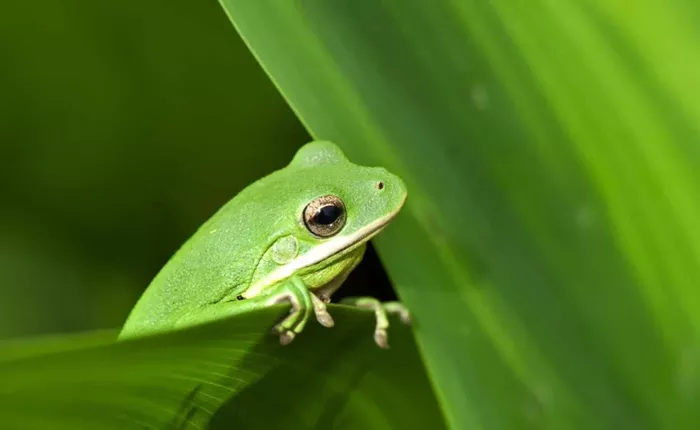
The American green tree frog is one of the most well-known and beloved amphibians in North America. Recognizable by its bright green color and small size, this frog has captured the interest of both scientists and nature enthusiasts. Understanding where the American green tree frog lives is essential for conservation, research, and for anyone interested in observing these remarkable creatures in their natural habitat. In this article, we will explore the environments, geographic distribution, and behavioral patterns that determine where the American green tree frog resides.
Geographic Distribution
The American green tree frog is primarily found in the southeastern United States. Its range extends from Texas and Oklahoma in the west, through Louisiana, Mississippi, Alabama, Georgia, Florida, and up to parts of North Carolina and Tennessee. These frogs are adapted to warm and humid climates, which are abundant in this region.
Southern United States
The southern states provide ideal conditions for the American green tree frog. Warm temperatures, frequent rainfall, and abundant vegetation create the perfect environment for shelter and breeding. In Florida, for example, these frogs are widespread and commonly found in residential areas, swamps, and forested wetlands.
Gulf Coast States
The Gulf Coast states, including Texas, Louisiana, Mississippi, and Alabama, offer a combination of coastal wetlands and freshwater habitats. These areas are rich in insects, which form the primary diet of the green tree frog. The presence of water bodies like ponds, lakes, and slow-moving streams is crucial for their survival.
Eastern United States
In the eastern states, such as Georgia, South Carolina, and North Carolina, American green tree frogs are often found near rivers and marshes. They prefer environments where vegetation is dense, providing both camouflage and protection from predators.
Preferred Habitats
The American green tree frog is versatile in its habitat choices but shows a strong preference for humid, vegetated areas near water sources. Their adaptability allows them to thrive in both natural and human-modified environments.
Forests and Woodlands
Forests and woodlands provide ample shelter and humidity. These areas are rich in trees, shrubs, and leaf litter, offering protection from predators. The frogs often climb trees and shrubs at night to hunt insects, while during the day, they hide under leaves or bark to avoid the sun.
Wetlands and Swamps
Wetlands, swamps, and marshes are prime habitats for green tree frogs. These areas provide abundant moisture, which is vital for their skin, as amphibians rely on their skin for respiration. Wetlands also support a rich insect population, ensuring a reliable food source.
Ponds, Lakes, and Streams
Water bodies such as ponds, lakes, and slow-moving streams are critical for breeding. Green tree frogs lay their eggs in calm, shallow water where tadpoles can develop safely. Adults often remain close to these water sources for easy access during the breeding season.
Urban and Suburban Areas
Interestingly, American green tree frogs have adapted well to urban and suburban environments. Gardens, parks, and backyard ponds can serve as suitable habitats. The presence of artificial water features and shrubs allows these frogs to survive even in areas heavily influenced by humans.
Microhabitat Preferences
Beyond general habitats, American green tree frogs exhibit specific microhabitat preferences that influence where they choose to rest, feed, and breed.
Vegetation and Perching Sites
These frogs prefer areas with abundant vegetation. They often perch on leaves, branches, and shrubs, which provide both concealment and access to insects. Their sticky toe pads allow them to climb smooth surfaces with ease, enabling them to exploit vertical spaces effectively.
Moisture and Humidity
Moist environments are essential for green tree frogs. Their skin is highly sensitive to dehydration, so they seek areas with high humidity. This explains their preference for wetlands, dense forests, and shaded gardens where moisture is retained.
Temperature and Shelter
Temperature regulation is another factor in habitat selection. Green tree frogs are ectothermic, meaning they rely on external sources of heat. They seek shelter during the hottest part of the day and are most active in the evening when temperatures are moderate and insects are abundant.
Seasonal Movements
While American green tree frogs are not migratory in the traditional sense, their movements are influenced by seasonal changes and breeding needs.
Spring and Summer
During spring and summer, these frogs are highly active. Breeding typically occurs in late spring when water bodies are abundant and temperatures are warm. Males call to attract females, often from vegetation near ponds and marshes. Tadpoles develop in these water bodies over several weeks.
Fall and Winter
In fall and winter, activity decreases. In colder regions of their range, green tree frogs may seek shelter under leaf litter, tree bark, or other protected areas to survive lower temperatures. In the southernmost parts of their range, they remain more active year-round due to milder winters.
Behavioral Adaptations Influencing Habitat
The behavior of American green tree frogs plays a significant role in determining their preferred habitats.
Nocturnal Activity
Green tree frogs are primarily nocturnal. They emerge at night to hunt insects and avoid predators. Nocturnal habits mean that during the day, they are often hidden in microhabitats that provide protection and maintain moisture.
Vocalization and Territory
Males are known for their distinctive calls, which serve to attract mates and establish territories. They often select perches near water for optimal sound transmission. This behavior means that areas with accessible vegetation near ponds or marshes are highly favored.
Camouflage and Predation Avoidance
The bright green coloration of the frog allows it to blend with leaves and grasses, providing camouflage. This adaptation allows them to occupy areas with dense vegetation, reducing the risk of predation by birds, snakes, and larger amphibians.
Human Impact on Habitat
Human activity has both positive and negative effects on the habitats of American green tree frogs.
Urban Expansion
Urbanization can reduce natural habitats, but some green tree frogs adapt by using gardens, parks, and artificial ponds. They are resilient and capable of surviving in modified environments, provided moisture and vegetation are available.
Pollution and Pesticides
Pollution and pesticide use can negatively affect frog populations. Contaminants in water bodies can harm tadpoles and adults alike, making certain habitats unsuitable. Conservation efforts often focus on protecting wetlands and reducing chemical exposure.
Conservation Areas
Protected areas such as national parks, wildlife reserves, and wetland preserves provide safe environments for American green tree frogs. These areas help maintain natural populations and support biodiversity.
Interaction with Other Species
The presence of other species can also influence where green tree frogs live.
Competition
Other amphibians may compete for food and breeding sites. Green tree frogs often coexist with species like southern leopard frogs and tree toads, choosing microhabitats that reduce competition.
Predators
Predators such as snakes, birds, and raccoons impact habitat selection. Frogs prefer areas where cover is abundant, minimizing exposure while allowing them to hunt efficiently.
Indicators of a Healthy Habitat
Observing American green tree frogs can indicate the health of an ecosystem.
Population Density
High frog densities often signal abundant water, vegetation, and insects. Low populations may indicate environmental stress, pollution, or habitat loss.
Vocal Activity
Active calling, especially during the breeding season, is a sign of a thriving habitat. Males call from perches near clean water sources, indicating suitable conditions for reproduction.
Conclusion
The American green tree frog lives in a variety of habitats across the southeastern United States, including forests, wetlands, ponds, and even urban gardens. Its survival depends on access to water, abundant vegetation, and a humid climate. Seasonal and behavioral adaptations further influence where these frogs choose to reside. While human activity can pose threats, conservation efforts and the frogs’ adaptability allow them to thrive in diverse environments. Understanding where these frogs live helps us appreciate their role in ecosystems and emphasizes the importance of protecting their natural habitats for future generations.