
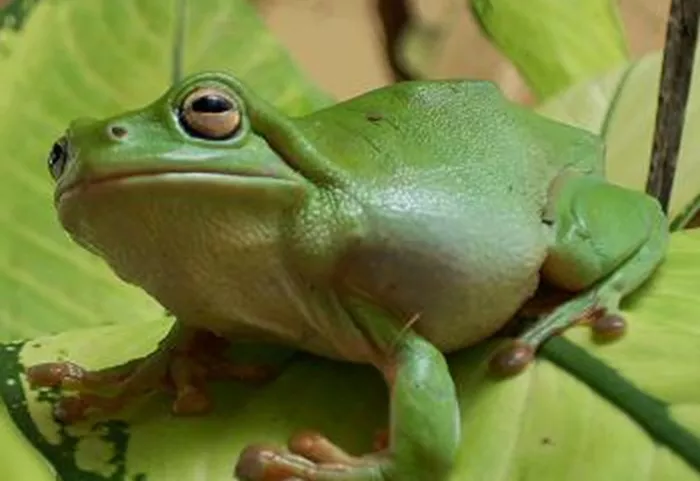
Green tree frogs are among the most recognizable amphibians in Australia. Known for their vibrant green color, large toe pads, and distinctive calls, these frogs are a favorite among wildlife enthusiasts. Many people wonder how these frogs survive the cooler months and whether they hibernate like some other animals. Understanding the behavior of green tree frogs during winter is important for conservation, pet care, and appreciating Australian wildlife.
In this article, we will explore the concept of hibernation, how green tree frogs respond to seasonal changes in Australia, and what their behavior tells us about adaptation and survival strategies.
What Is Hibernation?
Hibernation is a state of dormancy used by many animals to survive unfavorable conditions, particularly cold temperatures. During hibernation, animals experience:
- Reduced metabolic rate
- Lowered body temperature
- Decreased energy consumption
- Minimal physical activity
Hibernation is common in mammals like bears and some reptiles, as well as certain amphibians in colder regions. However, not all amphibians in Australia undergo true hibernation.
Green Tree Frog Biology and Habitat
Green tree frogs (Litoria caerulea) are native to northern and eastern Australia. They thrive in environments such as:
- Rainforests
- Wetlands
- Urban gardens
- Near ponds and streams
These frogs are arboreal, meaning they spend much of their time in trees and shrubs. They are nocturnal and prefer warm, humid climates. Because Australia generally has milder winters than temperate regions, the behavior of green tree frogs during winter is different from frogs living in colder climates.
Do Green Tree Frogs Hibernate?
Green tree frogs do not undergo true hibernation in the way that some animals do. Instead, they enter a state known as brumation, which is similar to hibernation but specific to cold-blooded animals like reptiles and amphibians. During brumation:
- Activity decreases significantly
- Metabolism slows down
- Frogs may hide in sheltered areas for extended periods
Brumation allows green tree frogs to survive periods of lower temperatures without eating or moving much. Unlike hibernating mammals, their body temperature is not internally regulated, so they rely on external warmth to become active again.
Behavioral Changes in Winter
During winter in Australia, particularly in southern regions where temperatures drop more noticeably, green tree frogs exhibit several behavioral changes:
- They become less active and spend more time in hiding.
- They seek out cool, damp places such as under logs, leaf litter, or garden debris.
- They may retreat to human structures, such as roof spaces or wall cavities, which provide warmth and moisture.
- Feeding decreases, as insect activity is lower during winter months.
These behaviors are survival strategies to cope with cooler temperatures and reduced food availability. While this may resemble hibernation, it is technically a form of dormancy adapted to Australia’s climate.
Environmental Factors Affecting Dormancy
The duration and intensity of dormancy in green tree frogs depend on several environmental factors:
- Temperature: Frogs become less active when temperatures fall below 15°C. Prolonged cold periods can make them seek more insulated shelter.
- Humidity: Green tree frogs require moisture to avoid dehydration. Damp environments help them survive periods of inactivity.
- Food Availability: Insects are less abundant in winter, which naturally reduces feeding activity.
- Geography: Frogs in northern Australia experience milder winters and may remain active year-round, while southern populations may enter longer dormancy periods.
Microhabitats Used for Winter Survival
Green tree frogs are resourceful when it comes to finding shelter. Common microhabitats for winter survival include:
- Hollow logs and tree bark crevices
- Under rocks and leaf litter
- Human-made structures like sheds, roofs, and garden pipes
- Near water sources to maintain hydration
Choosing the right microhabitat is critical for survival. Frogs that find warm, moist shelter can reduce energy expenditure and avoid predation during colder months.
Physiological Adaptations
Green tree frogs have several physiological adaptations that help them survive cooler periods:
- Reduced metabolism: They slow down their bodily processes to conserve energy.
- Water retention: Their skin absorbs moisture from the environment, which prevents dehydration during dormancy.
- Temperature sensitivity: They can sense environmental temperature changes and respond by seeking optimal shelter.
These adaptations make them highly resilient and allow them to inhabit a wide range of environments across Australia.
Regional Differences in Dormancy
The need for dormancy varies depending on the region:
- Northern Australia: Temperatures remain warm enough that frogs may stay active throughout the year.
- Central Australia: Hot summers and cooler winters may trigger partial dormancy, where frogs reduce activity but do not fully brumate.
- Southern Australia: Cooler winters lead to longer periods of dormancy, where frogs may stay hidden for weeks or months at a time.
Brumation vs. True Hibernation
It is important to distinguish between brumation and hibernation:
- Hibernation: Typically seen in mammals and involves active regulation of body temperature during dormancy.
- Brumation: Seen in reptiles and amphibians, involves reduced metabolism and inactivity, but body temperature follows the environment.
Green tree frogs exhibit brumation rather than true hibernation. They do not eat much, remain hidden, and rely on the environment to maintain a suitable body temperature.
Implications for Pet Owners
For those keeping green tree frogs as pets, understanding their winter dormancy is crucial:
- Maintain a warm, humid environment to prevent stress and dehydration.
- Do not force feeding during dormancy, as they naturally reduce their appetite.
- Provide hiding spots that mimic natural microhabitats, such as logs or moist substrate.
- Monitor temperature and humidity levels to ensure the frog’s health during cooler months.
Conservation Considerations
Green tree frogs face threats from habitat loss, pollution, and climate change. Their winter dormancy behavior is a key survival strategy. Conservation efforts should focus on:
- Preserving natural habitats that provide shelter and water
- Creating frog-friendly urban environments with moisture and hiding places
- Monitoring populations to understand the effects of climate change on seasonal behavior
Interesting Facts About Green Tree Frogs
- Green tree frogs can live up to 16 years in captivity.
- Their skin secretes a mild antibacterial substance, helping them survive in damp environments.
- They are known to climb walls, fences, and even enter homes in search of warmth and moisture.
- Frogs in southern Australia may spend several months largely inactive during winter.
Conclusion
In summary, green tree frogs in Australia do not undergo true hibernation but instead enter a state of brumation. During cooler months, especially in southern regions, they reduce activity, seek shelter, and conserve energy. Their survival depends on environmental conditions such as temperature, humidity, and food availability. Understanding their dormancy behavior helps in conservation, pet care, and appreciating the adaptability of Australian wildlife. By providing suitable habitats and minimizing human threats, we can ensure that green tree frogs continue to thrive throughout Australia’s varied climates.