
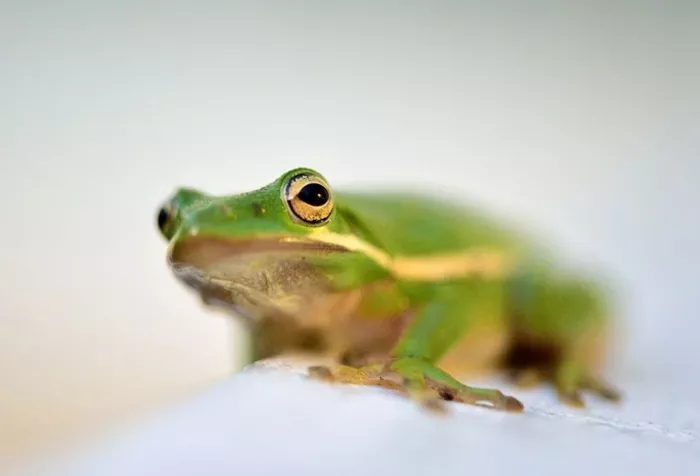
The Green Tree Frog, commonly known as Hyla cinerea, is one of the most popular amphibians kept as a pet. It is native to the southeastern United States and is admired for its bright green color, gentle temperament, and relatively simple care requirements. Although these frogs are not reptiles, they are often discussed in reptile care communities because their husbandry needs overlap in many ways with those of reptiles.
One of the most important aspects of proper care is diet. Feeding a green tree frog correctly supports healthy growth, strong immune function, proper shedding, and long lifespan. Many health problems in captive frogs are directly linked to poor nutrition. Therefore, understanding what to feed, how often to feed, and how to supplement their diet is essential.
This article provides a detailed and logically structured guide on what to feed a green tree frog. It covers natural diet, staple foods, supplements, feeding schedules, portion sizes, and common mistakes. The goal is to provide clear and practical information that is easy to follow while remaining scientifically accurate.
Understanding the Natural Diet of a Green Tree Frog
In the wild, green tree frogs are opportunistic insectivores. This means they primarily eat insects and other small invertebrates. They do not eat plants, fruits, or vegetables. Their digestive system is designed for animal protein.
Wild green tree frogs feed on:
– Crickets
– Moths
– Flies
– Beetles
– Small spiders
– Grasshoppers
– Small roaches
They are nocturnal hunters. At night, they wait on leaves or branches and strike quickly when prey moves nearby. Their feeding response is triggered by movement. They rarely recognize non-moving food as edible.
When keeping a green tree frog in captivity, the goal is to replicate this natural diet as closely as possible. Variety is important. A single food source does not provide complete nutrition.
Primary Staple Foods for Green Tree Frogs
Crickets
Crickets are the most common staple food for green tree frogs. They are widely available, affordable, and easy to gut-load and supplement. Crickets provide protein and moderate fat content.
Choose appropriately sized crickets. The general rule is that the prey should be no wider than the space between the frog’s eyes. Feeding prey that is too large can cause choking or digestive problems.
Dubia Roaches
Dubia roaches are another excellent staple. They contain higher protein and better calcium-to-phosphorus ratios compared to crickets. They are also quieter and less likely to escape.
Small to medium-sized roaches are appropriate for adult frogs. Young frogs should receive smaller nymphs.
Black Soldier Fly Larvae
Black soldier fly larvae are highly nutritious. They naturally contain higher calcium levels than most feeder insects. They are soft-bodied, making them easy to digest.
These larvae can be offered regularly but should still be part of a varied diet rather than the only food source.
Small Grasshoppers
Small captive-bred grasshoppers can provide variety. However, avoid wild-caught insects because they may carry pesticides or parasites.
Occasional Treat Foods
Mealworms
Mealworms are often available in pet stores, but they should only be offered occasionally. They have a hard exoskeleton and higher fat content. Overfeeding mealworms can lead to obesity or impaction.
Waxworms
Waxworms are very high in fat. Frogs usually love them, but they are best used as treats. Frequent feeding may cause weight gain and nutritional imbalance.
Hornworms
Hornworms are soft and contain good moisture content. They can stimulate appetite in picky eaters. However, they grow quickly and may become too large for the frog.
What Not to Feed a Green Tree Frog
Avoid feeding the following:
– Wild-caught insects from unknown areas
– Fireflies (toxic to amphibians)
– Insects exposed to pesticides
– Human food
– Fruits and vegetables
– Large prey items
Green tree frogs are strict insectivores. Plant matter can cause digestive problems.
The Importance of Gut-Loading
Gut-loading means feeding nutritious food to feeder insects 24–48 hours before offering them to your frog. This increases the nutritional value of the prey.
Feed insects:
– Leafy greens
– Carrots
– Squash
– Commercial gut-loading diets
A well gut-loaded insect becomes a vehicle for delivering vitamins and minerals to your frog.
Calcium and Vitamin Supplementation
In captivity, feeder insects often lack sufficient calcium. Without supplementation, frogs may develop metabolic bone disease. This condition causes weak bones, deformities, and lethargy.
Calcium Powder
Dust feeder insects lightly with calcium powder before feeding. Juveniles require calcium more frequently than adults.
Vitamin D3
If your frog does not receive proper UVB lighting, use calcium with vitamin D3 to assist calcium absorption.
Multivitamins
Use a reptile or amphibian multivitamin supplement once every one to two weeks.
Feeding Schedule by Age
Juvenile Frogs
Young frogs grow rapidly and need daily feeding. Offer small prey items in moderate quantities.
Adult Frogs
Adult green tree frogs typically eat every other day. Offer 3–6 appropriately sized insects per feeding session.
How to Feed a Green Tree Frog
Feeding can be done in several ways:
– Release insects into the enclosure
– Use feeding tongs for controlled feeding
– Use a separate feeding container
Observe your frog during feeding to ensure it eats properly.
Hydration and Water Considerations
Green tree frogs absorb water through their skin. Always provide clean, dechlorinated water in a shallow dish. Mist the enclosure regularly to maintain humidity.
Signs of Proper Nutrition
A well-fed green tree frog will show:
– Bright coloration
– Clear eyes
– Strong appetite
– Normal body weight
– Regular activity
Signs of Nutritional Problems
Watch for:
– Soft jaw or limbs
– Lethargy
– Poor appetite
– Weight loss
– Swelling
These signs may indicate calcium deficiency or other dietary issues.
Seasonal Feeding Changes
Some frogs eat less during cooler months. Appetite fluctuations can be normal, but prolonged refusal to eat requires attention.
Common Feeding Mistakes
– Overfeeding fatty treats
– Not using supplements
– Feeding insects that are too large
– Lack of dietary variety
– Poor gut-loading practices
Creating a Balanced Weekly Feeding Plan
Example plan for an adult frog:
Day 1: Crickets dusted with calcium
Day 3: Dubia roaches
Day 5: Black soldier fly larvae
Day 7: Crickets with multivitamin supplement
Adjust portions based on body condition.
Conclusion
Feeding a green tree frog properly is not complicated, but it requires knowledge and consistency. These frogs are strict insectivores and thrive on a varied diet of gut-loaded insects supplemented with calcium and vitamins. Appropriate prey size, correct feeding frequency, and attention to nutritional balance are essential for long-term health. By understanding their natural feeding behavior and replicating it in captivity, you can ensure that your green tree frog remains active, healthy, and vibrant for many years.