
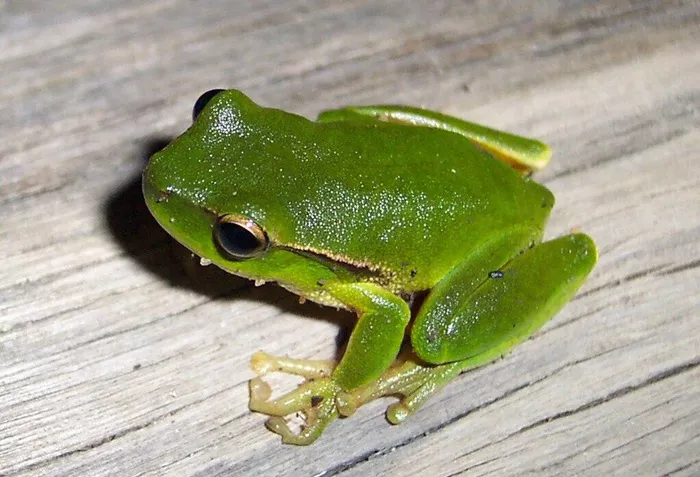
The green tree frog, scientifically known as Hyla cinerea, is famous for its bright green color and gentle appearance. Many people keep this frog as a pet. Others see it in gardens, wetlands, and forests. One common question often worries frog owners and nature lovers: what does it mean when a green tree frog turns brown?
At first glance, a change in color may seem alarming. Some people fear that the frog is sick or stressed. Others believe it may be dying. In most cases, however, a green tree frog turning brown is a natural and normal process. Frogs are highly adaptable amphibians. Their skin can change color for several biological reasons.
This article will explain in detail why a green tree frog may turn brown. We will explore natural color changes, environmental triggers, stress responses, health concerns, and when you should be worried. The goal is to give you clear and reliable knowledge in simple language.
Understanding the Natural Color of the Green Tree Frog
Despite its name, the green tree frog is not always bright green. Its color can range from light green to olive, gray-green, and even brown. This flexibility helps the frog survive in changing environments.
The skin of Hyla cinerea contains special pigment cells called chromatophores. These cells expand or contract to reflect different wavelengths of light. When the frog appears green, yellow pigments combine with blue structural layers in the skin. When it appears brown, darker pigments become more dominant.
This color change is not like a chameleon’s dramatic transformation. It is slower and usually influenced by temperature, light, humidity, and mood.
Camouflage and Survival Instinct
One of the most important reasons a green tree frog turns brown is camouflage. In the wild, survival depends on remaining unseen by predators. Birds, snakes, and larger amphibians hunt frogs.
If the frog rests on brown bark, soil, or dried leaves, turning brown helps it blend into its surroundings. This natural camouflage reduces the risk of predation. The change may happen gradually over hours.
In captivity, a frog may turn brown if the enclosure background is dark or earthy in color. Even artificial plants and decorations can influence its skin tone.
Temperature Changes
Temperature strongly affects amphibian physiology. Green tree frogs are ectothermic animals. This means they depend on external heat sources to regulate body temperature.
When temperatures drop, the frog may darken. Darker colors absorb more heat. Turning brown or darker green can help the frog warm itself more efficiently.
When temperatures rise, the frog may become lighter green. Lighter colors reflect heat and help prevent overheating.
In captivity, sudden temperature fluctuations may trigger a noticeable color shift. This is usually normal unless accompanied by other signs of illness.
Humidity and Hydration Levels
Green tree frogs need moderate to high humidity. Their skin absorbs moisture directly from the environment. If humidity levels drop too low, the frog may turn brown.
Dry conditions can cause mild stress. The frog’s skin may appear dull or darker. This does not always mean severe dehydration, but it signals that the environment needs adjustment.
Proper misting and access to clean water usually restore normal coloration.
Light Exposure and Time of Day
Lighting plays a significant role in color variation. Frogs may appear greener during the day and darker at night. This shift is linked to circadian rhythms.
At night, green tree frogs are more active. Darker coloration may provide better camouflage during nighttime activity. Artificial lighting that is too strong or too weak can also influence color.
Stress Response
Stress is another major factor. When a green tree frog feels threatened or disturbed, it may darken in color.
Common stress triggers include:
- Frequent handling
- Loud noises
- Sudden enclosure changes
- Presence of other aggressive frogs
Stress-induced color change is usually temporary. Once the frog feels safe, it often returns to green.
Shedding Cycle
Green tree frogs regularly shed their skin. Before shedding, their skin may appear dull, gray, or brownish. This stage can last a short time.
After shedding, the frog often looks brighter and more vibrant. This cycle is healthy and necessary for growth and skin renewal.
Health Concerns and Warning Signs
While color change is usually normal, certain symptoms may indicate illness.
Be concerned if the brown coloration is combined with:
- Lethargy
- Loss of appetite
- Weight loss
- Skin lesions
- Abnormal swelling
Bacterial infections, fungal infections, or poor enclosure conditions can lead to persistent darkening. If the frog remains brown for long periods and shows additional symptoms, veterinary care is recommended.
Environmental Conditions in Captivity
Pet owners should carefully monitor habitat conditions. Ideal temperature ranges between 70 and 85 degrees Fahrenheit. Humidity should remain between 50 and 80 percent.
Proper UVB lighting, fresh water, and a clean enclosure reduce stress. When environmental needs are met, the frog’s color remains more stable.
Is a Brown Green Tree Frog Unhealthy?
In most cases, no. A green tree frog turning brown is part of its natural adaptive behavior. It does not automatically mean illness.
Observation is key. Look at behavior, appetite, and activity levels. A healthy frog remains alert and responsive, even if its color changes.
How Long Does the Color Change Last?
Color change duration varies. It may last a few minutes, several hours, or even a day. Environmental stabilization often restores the green color.
Permanent brown coloration is uncommon in healthy green tree frogs unless influenced by ongoing environmental conditions.
Psychological and Hormonal Factors
Hormones can influence pigmentation. During breeding season, slight color variations may occur. Males may appear slightly different in tone when calling.
Hormonal changes are subtle and temporary.
Comparing With Other Tree Frog Species
Many tree frogs change color. For example, the Dryophytes versicolor, commonly known as the gray tree frog, can shift from gray to green.
Color adaptation is a common amphibian survival mechanism. The green tree frog simply uses this ability in a more subtle way.
Common Myths About Color Change
Some people believe that turning brown means the frog is dying. This is false. Others think the frog is permanently changing species traits. That is also incorrect.
Color change is biological, reversible, and usually harmless.
When to Seek Veterinary Help
Seek professional help if:
- The frog remains brown for weeks
- It refuses food
- Its skin looks damaged
- It shows abnormal posture
Early intervention improves outcomes in amphibian medicine.
Conclusion
When a green tree frog turns brown, it usually reflects natural adaptation rather than disease. Temperature, humidity, lighting, stress, and camouflage all influence coloration. The species Hyla cinerea possesses specialized pigment cells that allow gradual and reversible color changes.
Careful observation of overall health and environmental conditions is essential. In most cases, the frog will return to its familiar green once conditions stabilize. Understanding this natural process helps owners and wildlife observers appreciate the remarkable adaptability of these amphibians.