
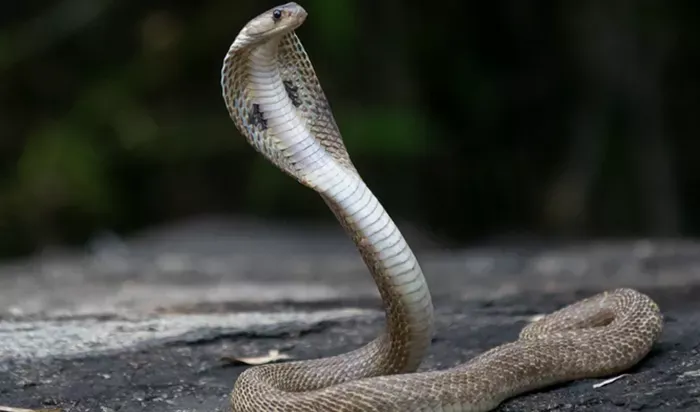
Ever wondered which reptiles top the list when it comes to danger? If you’ve ever been curious about the deadliest snakes on our planet, you’re not alone. As a zoologist specializing in reptiles, I’ll guide you through the five most lethal snakes. Get ready for fascinating facts, analogies, and real-life stories that will make you rethink your next walk in the wild!
Understanding Deadly Snakes: What Makes Them Dangerous?
Before we dive into our top five, let’s clarify what “deadly” means in the world of reptiles. A snake’s danger level isn’t just about how much venom it can inject; it’s also about how aggressive it is, where it lives, and how likely you are to encounter it. Think of venom as a super-concentrated cleaning fluid—some snakes have enough to wipe out a whole room, while others only enough for a small spill.
1. Inland Taipan: The Venom King
Known as the “fierce snake,” the Inland Taipan (Oxyuranus microlepidotus) is often called the most venomous snake in the world. Its venom is so potent that it could kill up to 100 people with a single bite. Luckily for us, these reptiles are extremely shy and live in remote Australian deserts. Imagine a sports car with massive horsepower but locked away in a garage—you’ll rarely see it on the road.
Keywords: reptiles, Inland Taipan, venomous snake
2. Eastern Brown Snake: Fast and Furious
Next up is the Eastern Brown Snake (Pseudonaja textilis), another Australian native. This reptile is responsible for more deaths in Australia than any other species because it’s both highly venomous and commonly found near human settlements. Picture an electric fence: powerful and dangerous if touched, but mostly safe if you keep your distance.
Anecdote: Australian reptile keeper Steve Backshall recalls an encounter where an Eastern Brown Snake moved so quickly he barely had time to react—proof that speed adds to its danger!
Keywords: Eastern Brown Snake, dangerous reptile
3. Coastal Taipan: Aggressive Attacker
The Coastal Taipan (Oxyuranus scutellatus) is another powerhouse from Australia and Papua New Guinea. It’s known for its agility and willingness to defend itself aggressively. Its venom can cause paralysis or death within hours if untreated. Imagine a fire alarm that goes off instantly at the slightest hint of smoke; this snake doesn’t hesitate.
Fact: According to herpetologist Bryan Fry, even professional handlers treat Coastal Taipans with extra caution due to their unpredictable nature.
Keywords: Coastal Taipan, deadly snake species
4. Black Mamba: Speed Demon of Africa
The Black Mamba (Dendroaspis polylepis) reigns supreme in Africa. Not only is its venom highly toxic, but this reptile can move at speeds up to 20 km/h—almost as fast as a running human! If you picture a lightning bolt with fangs, you’ve got a good idea of why locals fear this species so much.
Real-life story: South African herpetologist Johan Marais once described how Black Mambas “strike repeatedly,” making escape nearly impossible if surprised.
Keywords: Black Mamba, African reptiles
5. Saw-Scaled Viper: The Silent Killer
Last but not least is the Saw-Scaled Viper (Echis carinatus), found across Africa, India, and the Middle East. While its venom isn’t the most powerful drop-for-drop, this snake causes more deaths than any other because it’s common and often bites without warning—like stepping on a thumbtack in your kitchen without seeing it first.
Interesting fact: Indian villagers use long sticks to probe under rocks when walking at night—a simple trick learned from generations living alongside these reptiles.
Keywords: Saw-Scaled Viper, deadly viper species
How Do You Stay Safe Around Deadly Reptiles?
If you ever travel to places where these snakes live, remember: awareness saves lives! Wear boots in tall grass and always watch where you step or reach. Think of these precautions like wearing sunscreen at the beach—you may not see immediate danger, but it protects you from harm.
Why Are These Snakes So Deadly? The Science Behind Their Venom
Venom isn’t just poison—it’s a complex cocktail that attacks nerves, blood cells, or muscles depending on the species. Scientists compare snake venom to Swiss Army knives; each type has different “tools” for hunting prey or defending itself from threats.
According to research published in Toxins journal (Fry et al., 2021), these evolutionary adaptations make some snakes more dangerous than others—not just for their prey but for humans too.
Conclusion
Encountering any of these top five deadliest snakes—the Inland Taipan, Eastern Brown Snake, Coastal Taipan, Black Mamba, or Saw-Scaled Viper—should inspire caution rather than panic. Their place in nature is vital; they help control pests and maintain balance within ecosystems. By understanding their behaviors and habitats, you empower yourself with knowledge rather than fear.
Next time you think about deadly reptiles or hear tales of dangerous snakes, remember that education is your best defense—and maybe share an awesome story about how amazing these creatures truly are!
Related topics: