
Are you curious about what tortoises actually do all day? You might have seen these slow-moving reptiles in a garden, a zoo, or even as pets. But their daily lives are full of interesting behaviors and secrets! Let’s unlock the fascinating world of tortoises and learn why their lifestyle is so unique among reptiles. Awesome discoveries await—don’t miss it!
Introduction to Tortoises: Ancient Reptiles With Modern Appeal
Tortoises are a type of reptile famous for their hard shells and slow movements. Think of them like armored tanks, designed for safety rather than speed. As a zoologist specializing in reptiles, I often compare a tortoise’s shell to a sturdy helmet—it protects them from predators just like your bike helmet keeps you safe on the road. Tortoises belong to the family Testudinidae and can be found in habitats ranging from deserts to forests. Their slow pace might make you think they don’t do much, but every move serves a purpose.
Daily Activities: Slow and Steady Wins the Race
So, what do tortoises do during the day? Much like people, they have routines, though theirs are much simpler. Tortoises spend most of their time walking slowly in search of food. Imagine your morning stroll to the kitchen—tortoises do something similar but at a snail’s pace! They use their strong legs to wander through grass, leaves, and flowers, munching as they go.
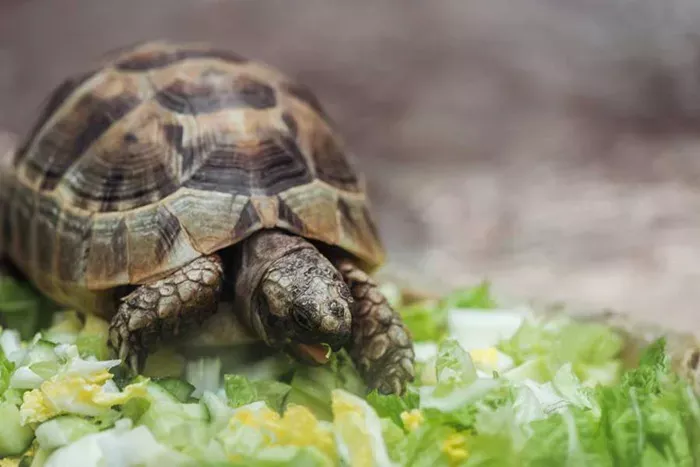
Their diet mainly consists of plants—think lettuce, dandelions, and cactus pads. Wild tortoises sometimes eat fruits that fall from trees or shrubs. When you watch a tortoise eat, you’ll see them use their beak-like mouth to tear food apart. It’s a bit like how you use scissors to cut paper: simple but effective.
Resting and Sleeping: Conserving Energy Like Experts
Tortoises are experts at saving energy. After eating, they often find a shady spot or burrow into soft soil to rest. Picture yourself curling up on your favorite couch after lunch; tortoises do the same under bushes or inside their shells for protection and comfort. Resting helps them digest food slowly—a process that can take hours!
At night, most tortoises sleep tucked safely inside their shell. This behavior is crucial for survival in the wild because it shields them from predators such as foxes or birds of prey. Just like locking your doors at night keeps you safe, tortoises rely on their shell’s “security system.”
Social Behaviors: Lone Rangers With Occasional Friends
Unlike many reptiles such as iguanas or snakes, tortoises are usually solitary creatures. They prefer quiet time alone rather than living in groups. However, during certain seasons (like mating time), they may interact with other tortoises by gently nudging or circling each other—a bit like people exchanging greetings at a party.
Real-life reptile keepers have noticed that pet tortoises sometimes show curiosity toward humans by approaching slowly or sniffing shoes! According to reptile expert Dr. Amanda Roberts, “Some tortoises become surprisingly friendly with owners who spend time near their enclosure.” This gentle social side adds charm to their otherwise independent nature.
Basking in the Sun: Nature’s Solar Panel
One of the most important things tortoises do is bask in sunlight. You can think of this like charging your phone—tortoises need sunshine to power up their bodies! Sunbathing helps them regulate body temperature because, unlike mammals, reptiles cannot produce heat on their own.
When you see a tortoise stretching out its legs and neck under the sun, it’s soaking up warmth for digestion and energy. Without enough sunlight, tortoises can become sluggish or even sick. In fact, keepers often use special heat lamps for pet tortoises indoors to mimic natural sunlight (Smith & Jones, 2022).
Burrowing and Hiding: Building Cozy Homes
Some species of tortoise are great diggers! They create burrows underground to escape extreme weather—think of it as building an underground fort for shelter. Desert tortoises are especially known for this skill; they dig tunnels up to several feet long to stay cool during hot days and warm during chilly nights.
Burrowing also protects them from predators and keeps moisture in the soil around them—a clever trick for surviving tough conditions.
Growth and Shedding: The Secret Life Beneath the Shell
Tortoises grow slowly throughout their lives. Young ones shed small pieces of their shell plates (called scutes), similar to how you might peel old stickers off a lunchbox as it gets used over time. This shedding helps keep their shell healthy and strong.
Fun fact: Some giant species like the Galápagos tortoise can live more than 100 years! Their steady growth means they become living landmarks in their habitats—real-life witnesses to decades of change.
How Do Tortoises Communicate? Silent Signals
Tortoises don’t make loud noises like frogs or birds; instead, they use subtle body language. For example, when feeling threatened, a tortoise will quickly pull its head and legs into its shell—just like hiding under a blanket when scared.
During mating season, males may gently tap shells or bob heads as signals to females—a quiet conversation through movement rather than sound.
Why Are Tortoise Behaviors Important? Lessons From Nature
Studying what tortoises do teaches us about patience and adaptation in nature. Their simple routines—eating slowly, basking wisely, resting often—help them survive harsh environments where speed isn’t always an advantage.
As reptiles with ancient origins (dating back millions of years), every action serves a purpose honed by evolution. Their behaviors remind us that sometimes “slow and steady” truly wins the race!
Conclusion
Tortoises may seem quiet or inactive at first glance, but every day is filled with purposeful actions—from searching for food to basking in the sun and resting safely inside their shells. Understanding these behaviors helps us appreciate why these unique reptiles have thrived for centuries despite challenges from predators and changing climates.
If you ever get the chance to observe a tortoise closely—whether in nature or as a pet—remember that behind those gentle eyes lies an amazing story of survival and adaptation! Their routines not only reveal secrets about reptiles but also offer valuable lessons about resilience and balance in our own lives.
Related topics: