
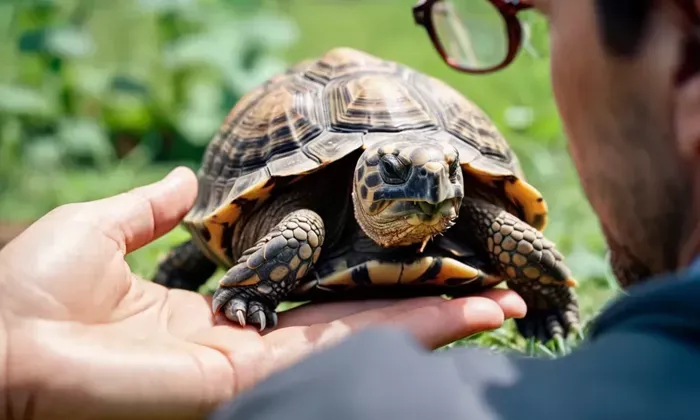
If you’ve ever watched a tortoise slowly amble across its enclosure, you might have wondered: Where do tortoises like to be touched? This question isn’t just for curious pet owners—it’s essential for anyone who wants to build trust and provide proper care for these fascinating reptiles. Let’s unlock the secrets behind a tortoise’s favorite spots and how gentle interaction can make your shelled companion feel right at home. Ready to learn some awesome tips? Don’t miss it!
Understanding Tortoise Sensitivity: More Than Just a Shell
Tortoises, like all reptiles, have areas on their bodies that are more sensitive than others. Imagine wearing a thick winter coat—while your arms and chest are protected, your hands and face are still exposed and sensitive to touch. Similarly, a tortoise’s shell acts as armor, but that doesn’t mean they can’t feel anything through it. In fact, according to research published in the Journal of Herpetology, the shell contains nerve endings that allow tortoises to sense pressure and vibrations (Mader, 2006).
Favorite Touch Zones: Where Reptiles Enjoy Interaction
Head and Chin
If you gently scratch a tortoise under its chin or around its head, you’ll often notice it stretching out its neck—almost like a cat arching into a hand for a pet. This is a sign of enjoyment! The skin here is thin and packed with nerves, making it a sweet spot for positive interaction. Some reptile keepers compare this area to the soft spot behind a dog’s ears.
Neck and Shoulders
The neck is another area where tortoises commonly enjoy gentle scratches. If you stroke lightly along the sides of the neck or around the shoulders (right where the shell meets skin), your tortoise might close its eyes in contentment. It’s like when you rub your own shoulders after a long day—the sensation is relaxing!
Shell: Not Just Armor
Many people think that touching the shell is pointless since it’s hard like a helmet. But here’s an awesome fact: tortoises can actually feel through their shells! The shell is living bone covered by plates called scutes, and underneath are sensitive nerves. Light rubbing or gentle brushing can be pleasant—think of it as giving someone a back massage through their sweater.
Legs and Feet: Approach with Caution
Some tortoises tolerate gentle touches on their legs or feet, but most prefer you stick to safer zones like the head and shell. Their legs are like the tires of a car—essential for movement and easily startled if touched unexpectedly.
How to Touch Your Tortoise: Tips from Reptile Keepers
Veteran reptile keepers recommend starting slow when interacting with any species of tortoise. Move your hand gently toward them; sudden movements can make them pull into their shells faster than you can say “reptiles!” Use your fingers to lightly stroke around the head or shell, watching for signs of comfort like stretching or closing eyes.
As one seasoned keeper shared, “My Sulcata tortoise loves his morning chin rubs—it’s our little ritual!” These anecdotes remind us that every tortoise has its own personality; some may adore being touched while others prefer observing from afar.
Species Differences: Not All Tortoises Are Alike
Different species—such as Greek tortoises, Hermann’s tortoises, or Red-footed tortoises—can have slightly different preferences. For example:
- Greek tortoises often enjoy gentle touches on their heads and shells.
- Hermann’s tortoises may prefer chin scratches but shy away from leg touches.
- Red-footed tortoises, known for their friendly nature among reptiles, sometimes enjoy having their shells gently brushed.
Understanding these differences helps create positive bonds between humans and these wonderful reptiles.
Signs Your Tortoise Enjoys Being Touched
Watch for clear signs:
- Stretching out their neck (like reaching for sunshine)
- Closing their eyes (a sign of relaxation)
- Remaining still rather than retreating into their shell
These behaviors indicate trust—a major win in reptile care!
What to Avoid: Respecting Boundaries
Just as you wouldn’t poke someone’s nose unexpectedly, avoid touching sensitive areas such as the tail or underside unless necessary for health reasons. Sudden or rough handling can stress your tortoise or even cause injury.
Veterinarians emphasize always letting your reptile set the pace; if they withdraw or appear uncomfortable, give them space and try again later.
Building Trust Through Touch: The Emotional Connection
Touching your tortoise is about more than just physical contact—it builds trust. Think of it like shaking hands with a new friend; gentle interaction leads to comfort over time. By respecting your reptile’s preferences, you foster an environment where they feel safe and secure.
Remember: patience is key! With time, many species of tortoise will come to recognize you as a source of gentle care—and maybe even look forward to those daily chin rubs.
Conclusion
Tortoises are remarkable reptiles with unique personalities and preferences when it comes to touch. By focusing on favored areas like the head, chin, neck, and shell—and avoiding sensitive spots—you can build lasting trust with your shelled companion. Every interaction teaches you more about these ancient animals’ needs and feelings.
With patience, observation, and gentle care, touching becomes an enjoyable ritual that strengthens your bond with your tortoise. So next time you spend time with your reptilian friend, remember these tips—and unlock deeper connections in the world of reptiles!
Related topics: