
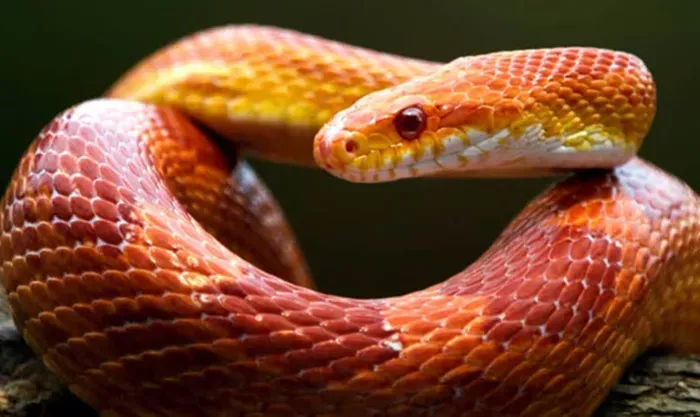
Corn snakes are among the most beloved reptiles in the pet world. But if you own one, or plan to, you might wonder: What is the biggest thing a corn snake can eat? The answer may surprise you! In this article, we’ll break down this fascinating topic, using simple language, vivid analogies, and insights from real reptile keepers. Get ready to unlock the secrets of corn snake feeding—don’t miss it!
Corn Snakes: Masters of Eating Whole Prey
Corn snakes are a type of constrictor, which means they wrap around their prey to subdue it before swallowing it whole. Imagine trying to fit an entire sandwich into your mouth at once—that’s what eating is like for these reptiles! Their jaws are specially designed to stretch wide, allowing them to eat prey much larger than their head. According to experts at the Association of Reptile Keepers (ARK), “corn snakes routinely consume animals up to one and a half times the width of their head.” This unique ability makes feeding time both awe-inspiring and a little nerve-wracking for new owners.
Sizing Up Prey: How Big Is Too Big?
When choosing food for your corn snake, size matters—a lot. The general rule is that prey should be no bigger than 1.5 times the widest part of the snake’s body. Think about it like picking out shoes; you want them snug, but not so tight they hurt! For adult corn snakes, this usually means mice or small rats. Feeding something too large can risk choking or regurgitation—a stressful experience for both you and your reptile friend.
Examples of Suitable Prey
- Hatchlings: Pinky mice (these are newborn mice, as small as a thumb)
- Juveniles: Fuzzy or hopper mice (about the size of a grape)
- Adults: Adult mice or very small rats (no larger than a plum)
Some experienced keepers, like Sarah from Florida Reptile Rescue, report that their largest adult corn snakes have successfully eaten small rats “about the size of a large chicken egg.” However, pushing beyond this can lead to health problems—so moderation is key.
Why Can’t Corn Snakes Eat Bigger Prey?
You might be thinking: If corn snakes can stretch their jaws so wide, why not feed them even bigger animals? Well, imagine trying to swallow a watermelon whole instead of slicing it first—your body simply isn’t built for it! Similarly, corn snakes have internal limitations:
- Jaw flexibility: Only stretches so far before risking injury.
- Digestive capacity: Too large prey can rot before it’s fully digested, causing illness.
- Energy expenditure: Constricting and swallowing oversized meals can exhaust the snake.
This is why responsible reptile owners stick closely to recommended sizes. According to the Cornell University Herpetology Department, “overfeeding with oversized prey can result in regurgitation and even death in captive reptiles like corn snakes.” Awesome knowledge for anyone hoping to keep their pet healthy!
What Happens If You Feed Something Too Large?
Here’s an engaging scenario: Imagine your corn snake trying to eat a guinea pig. While its jaw may open wide enough at first glance, the body simply can’t accommodate such bulk internally. The result? Regurgitation (throwing up), stress, or even suffocation. Real-life keeper Alex from Reptile Forums shares, “I once tried feeding my adult corn snake a rat that was too big—she struggled for hours before giving up. Never again!”
So, always measure your prey against your snake’s girth—not just its mouth! This keeps your pet safe and happy.
Comparing Corn Snakes With Other Reptiles
It’s tempting to think all reptiles eat similarly-sized meals. But compared with ball pythons or king snakes—who sometimes tackle prey twice as wide as their bodies—corn snakes are more modest diners. Their slender build means they’re better suited for smaller prey items. Using our shoe analogy again: ball pythons wear boots; corn snakes stick with sandals!
Tips From Real Keepers: Feeding Corn Snakes Safely
- Always thaw frozen prey completely before offering it.
- Use feeding tongs to avoid accidental bites—just like using chopsticks!
- Monitor your snake after feeding for signs of distress.
- Adjust meal size as your snake grows; never rush into bigger prey.
Many reptile enthusiasts recommend keeping a feeding chart—a simple notebook listing dates and prey sizes—to track growth and prevent mistakes. This practice is supported by leading herpetologists worldwide.
Conclusion: The Right Meal Makes All the Difference
Corn snakes are amazing reptiles with unique eating abilities. The biggest thing they can safely eat is typically an adult mouse or small rat—no larger than one and a half times their body’s width. By respecting these limits, you ensure your pet remains healthy and content.
In summary, understanding what corn snakes can eat helps you become a more responsible reptile keeper. By sticking to recommended sizes and learning from experienced owners, you’ll enjoy watching your corn snake thrive—without risking its health. Awesome reptiles deserve awesome care!
Related topics: