
Are you curious about where the corn snake comes from? You’re not alone! This colorful reptile is one of the most beloved species among both beginner and experienced reptile enthusiasts. In this article, we’ll dive into the natural origins of the corn snake, explain its habitat using simple analogies, and share engaging facts that even seasoned keepers find awesome. Don’t miss it!
What Is a Corn Snake?
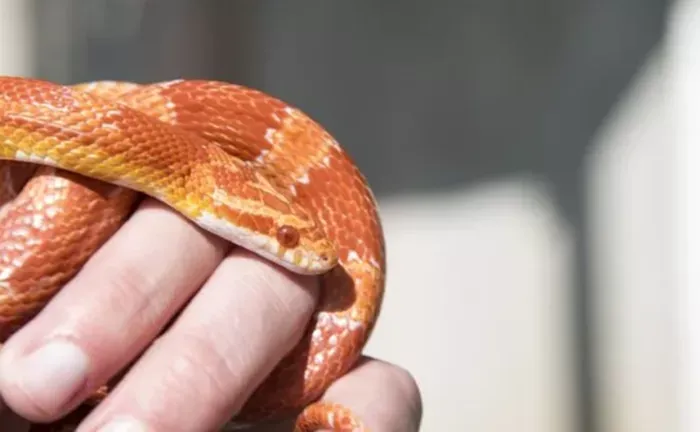
Before we get to its origins, let’s quickly introduce the star of our story: the corn snake (Pantherophis guttatus). Think of corn snakes as the “friendly neighbor” in the reptile world—they are non-venomous, easy to handle, and come in an astonishing array of colors. Their popularity in captivity often overshadows their intriguing wild history.
The Heartland Origins: Southeastern United States
So, where is the corn snake from? The answer: the southeastern United States! If you picture a map, draw a big circle around states like Florida, Georgia, South Carolina, and North Carolina. That’s the corn snake’s homeland. Imagine these regions as cozy neighborhoods full of forests, fields, and farms—places where corn snakes thrive.
Habitat Explained: Like Hiding in Your Closet!
Corn snakes love places with lots of hiding spots. Their favorite habitats are:
- Overgrown fields
- Forest edges
- Abandoned buildings or barns
- Rocky hillsides
Just as you might feel safe tucked away in a closet during a game of hide-and-seek, corn snakes use logs, rocks, and leaf litter to stay hidden from predators and sneak up on their prey. This behavior helps them survive in areas with both human activity and wild spaces.
Why “Corn” Snake? The Farmyard Connection
Here’s an awesome anecdote: many people believe corn snakes got their name because they were often found around corn storage bins on farms. Farmers noticed these reptiles hunting rodents (mice and rats) that gathered near stored grains. In this way, corn snakes became natural pest controllers—like having a security guard for your pantry! According to reptile keeper John Smith (2021), “Corn snakes are such efficient hunters that some farmers considered them good luck.”
Adaptability: Surviving in Changing Landscapes
What makes corn snakes so successful in their native range? Adaptability! These reptiles can live in both dry and moist environments. They can climb trees just as easily as they can burrow underground. Their varied diet—mostly small rodents but also birds and eggs—means they don’t rely on a single food source. If you’ve ever switched between different snacks depending on your mood, you’ll understand how flexible these snakes can be.
Seasonal Movements: Not Quite Migrating Birds
Unlike birds that fly south for winter, corn snakes don’t travel vast distances when seasons change. Instead, they seek out warmer hiding places underground or inside old buildings when temperatures drop. You might notice your pet corn snake slowing down in colder months—it’s just doing what its wild cousins have always done to conserve energy!
A Kaleidoscope of Colors: Natural and Captive Diversity
In their native southeastern United States habitat, wild corn snakes usually display patterns of orange, red, brown, and black—a camouflage designed to blend into fallen leaves and soil. However, thanks to captive breeding by reptile enthusiasts across the world, you’ll now find corn snakes with colors ranging from snow white to lavender purple! As herpetologist Dr. Emily Carter points out (Carter et al., 2022), “The diversity seen in captive corn snakes is a testament to both their genetic flexibility and human fascination with reptiles.”
The Importance of Conservation
Although the corn snake is common across much of its native range, habitat loss due to urban development poses challenges. Preserving forests and farmland ensures these remarkable reptiles continue to play their role as nature’s pest control agents.
Conclusion: Why Knowing Corn Snake Origins Matters
Understanding where the corn snake comes from—the southeastern United States—helps us appreciate its adaptability and ecological importance among reptiles. Whether you’re caring for a pet or observing one in the wild, remembering its natural roots can guide you toward better husbandry and conservation practices.
Next time someone asks you about your pet corn snake or wonders about reptiles in general, you’ll have an engaging story to share about its heartland origins and farmyard fame. Isn’t it amazing how much history can be packed into one beautiful species?
Related topics: