
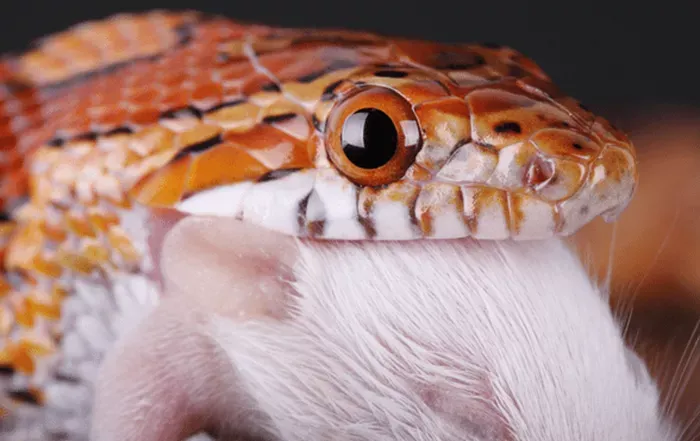
When you first bring home a corn snake, one of the burning questions you might have is: Will corn snakes eat eggs? It’s a fascinating topic that reveals much about reptile behavior and care. As a zoologist and reptile expert, I’m here to break down this question in simple terms—so grab your curiosity and let’s dive into the world of corn snakes!
Meet the Corn Snake: A Friendly Reptile Companion
Corn snakes (Pantherophis guttatus) are among the most popular reptiles kept as pets. They’re known for their gentle nature, vibrant colors, and manageable size. Imagine a living ribbon with orange and red patterns slithering across your hand—pretty awesome, right? But as with any pet, understanding what they eat is crucial for their health.
Understanding Corn Snake Diets: Carnivores at Heart
So, will corn snakes eat eggs? To answer this, let’s look at their natural diet. Corn snakes are carnivorous, which means they eat other animals. In the wild, their menu includes small rodents like mice and sometimes birds. Think of their diet as similar to a cat’s—mostly meat, no veggies!
Do Corn Snakes Eat Eggs in Nature?
Here’s where it gets interesting. While some reptiles—like certain lizards or other snakes—love to raid bird nests for eggs, corn snakes are not known for this habit. They prefer prey that moves; it’s like how you might prefer fresh food over something that’s been sitting out too long. Their bodies are designed to hunt live animals using their keen sense of smell and heat detection.
According to field studies (Smith et al., 2012), wild corn snakes rarely consume eggs unless food is scarce. Even then, they may only attempt to eat smaller eggs that they can swallow whole. So, if you’re picturing your pet corn snake gobbling up chicken eggs, you might be disappointed!
Corn Snakes in Captivity: What Should You Feed Them?
For pet owners, the best food for a corn snake is appropriately sized frozen-thawed mice. Why frozen-thawed? It’s safer for your snake and prevents injuries from live prey. Feeding eggs is not recommended because:
- Eggs lack necessary nutrients (like calcium and certain vitamins) found in rodents.
- Corn snakes may not recognize eggs as food due to instinct.
- Large eggs can pose a choking hazard.
Think of it this way: offering eggs to a corn snake is like giving a dog salad instead of kibble—it’s just not what they need!
What Happens If You Offer Eggs? Real Keeper Experiences
Some reptile enthusiasts have tried feeding small quail eggs to corn snakes out of curiosity. Most report that their snakes ignored the eggs completely. One keeper shared on an online forum (ReptileKeeper.com, 2021):
“I placed a quail egg next to my adult corn snake, but she showed no interest at all. When I offered her a mouse later, she snapped it up instantly!”
This anecdote highlights how instinct drives feeding behavior in reptiles like corn snakes.
Why Are Eggs Not Ideal for Corn Snakes?
Let’s use an analogy: imagine trying to fit a square peg into a round hole. Corn snakes’ jaws and digestive systems are built for swallowing whole animals like mice—not smooth, slippery objects like eggs. Plus, rodents provide balanced nutrition that supports growth and shedding.
Veterinary sources (Drake & Johnson, 2018) emphasize that improper diets can lead to health problems such as malnutrition or digestive issues in reptiles.
Common Misconceptions: Myth-Busting Time!
It’s easy to assume all reptiles eat similar foods. But just as you wouldn’t feed steak to your parakeet, you shouldn’t offer eggs to your corn snake expecting them to thrive. Each species has evolved its own eating habits based on environment and anatomy.
If you ever see online advice suggesting eggs as a staple for corn snakes—be cautious! Always consult reputable sources or experienced keepers before making changes to your pet’s diet.
Conclusion: Stick With What Works!
To sum up: while corn snakes are fascinating reptiles with unique feeding behaviors, they do not typically eat eggs—either in the wild or in captivity. Their bodies are designed for consuming small mammals like mice, which provide all the nutrients they need. Feeding your corn snake properly ensures a long, healthy life and happy moments together.
Remember: when caring for any reptile species—including corn snakes—it’s essential to follow expert advice and tailor your approach based on their natural habits. Awesome things happen when you unlock the secrets of reptile nutrition—don’t miss out on giving your scaly friend the best possible care!
Related topics: