
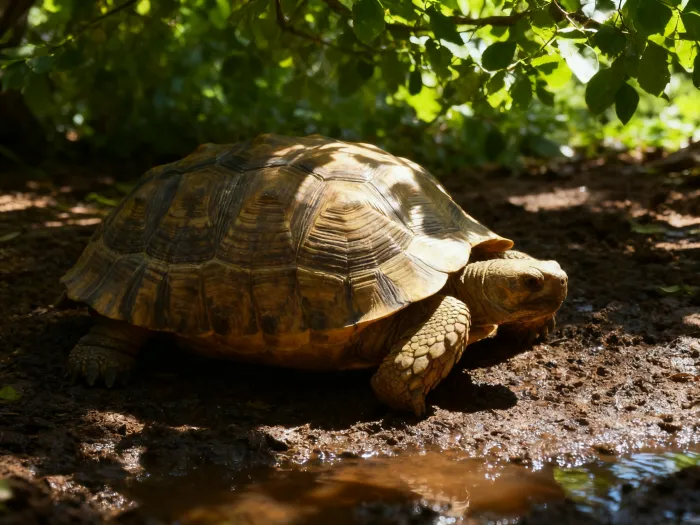
Have you ever wondered why your pet tortoise basks in the sun for hours or why it suddenly becomes sluggish on cold days? At the heart of this behavior lies a fascinating question: are tortoises cold blooded? This core concept is key to understanding not only tortoises, but also the broader world of reptiles. Let’s unravel this mystery together and discover some awesome facts that every reptile enthusiast should know.
What Does “Cold Blooded” Really Mean?
When we say an animal is “cold blooded,” we’re referring to a scientific term called ectothermy. Ectotherms, like tortoises and most reptiles, cannot produce their own body heat like mammals or birds. Instead, they rely on external sources—like sunlight or warm rocks—to regulate their temperature. Think of it like charging your phone: a tortoise needs to “plug in” to the sun to get going!
This means that a tortoise’s body temperature changes with its environment. On chilly mornings, you might notice your pet moving slowly or not eating much. That’s because its internal “battery” is running low and it needs a good dose of warmth to get energized.
Tortoises: Masters of Temperature Management
Tortoises are amazing examples of cold blooded reptiles. Species such as the African spurred tortoise (Centrochelys sulcata) or the Russian tortoise (Agrionemys horsfieldii) have developed clever behaviors to manage their body temperature. You’ll often see them basking in the morning sun, then seeking shade or burrowing into cool earth when temperatures soar.
This ability to use their surroundings makes tortoises adaptable but also vulnerable. If they get too cold, their digestion slows down, and they may even become ill. Conversely, overheating can be dangerous as well. Real-life reptile keepers have shared stories about having to move their tortoises indoors during unexpected cold snaps—a reminder that environmental control is crucial for these fascinating animals.
Comparing Tortoises to Warm Blooded Animals
To make this concept easier, let’s use an analogy. Imagine you’re at a picnic: warm blooded animals (like humans and dogs) bring their own thermos of hot soup—they can stay warm no matter what the weather is like. Tortoises, on the other hand, have to rely on the sunshine as their “microwave” to heat up!
This difference explains why reptiles like tortoises are found in regions where sunlight is abundant and why they become less active when it’s cloudy or cool. According to the Smithsonian National Zoo, reptile activity patterns are directly linked to temperature—a fact every keeper should keep in mind.
How Do Tortoises Adapt to Changing Temperatures?
Let’s dive deeper into how these reptiles survive varying climates:
- Basking: Tortoises stretch out in sunny spots to absorb heat quickly.
- Burrowing: In hot weather, they dig into the soil where it’s cooler.
- Seasonal Activity: Many species slow down or hibernate during winter when temperatures drop below their comfort zone.
- Coloration: Some tortoises have darker shells that help them soak up more heat—like wearing a black t-shirt on a sunny day!
These behaviors help tortoises maintain their health and energy levels throughout the year. Awesome, right?
Common Misconceptions About Cold Blooded Reptiles
It’s easy to think that “cold blooded” means an animal is always cold—but that’s not true! A sun-basking tortoise can be warmer than you on a summer afternoon. The term simply means they depend on external sources for warmth.
Another fun fact from experienced reptile keepers: some species, like the Greek tortoise (Testudo graeca), can tolerate surprising drops in temperature by slowing down their metabolism—a bit like turning down the volume on your favorite song until spring arrives.
Practical Tips for Tortoise Care
If you keep a pet tortoise, understanding its cold blooded nature is crucial for its well-being:
- Provide a basking area with access to direct sunlight or UV lamps.
- Offer shaded spots so your reptile can cool off when needed.
- Monitor enclosure temperatures carefully; consistency is key!
- Remember that feeding and activity levels may change with the seasons—don’t panic if your tortoise seems less hungry during colder months.
As The British Chelonia Group advises, proper temperature management ensures your tortoise stays healthy and active year-round.
Conclusion: Why Understanding Cold Bloodedness Matters
In summary, tortoises are cold blooded reptiles, meaning they depend on their environment for warmth and energy. This unique trait shapes every aspect of their behavior—from basking in sunlight to burrowing underground—and makes them both fascinating and challenging pets. By embracing this knowledge, you can provide better care for your own shelled friend and appreciate just how awesome these ancient creatures truly are.
So next time you see your tortoise basking in the sun or slowing down on a chilly day, remember: you’re witnessing one of nature’s most remarkable survival strategies at work. Don’t miss out—keep exploring the world of reptiles and discover even more amazing secrets!
Related topics: