
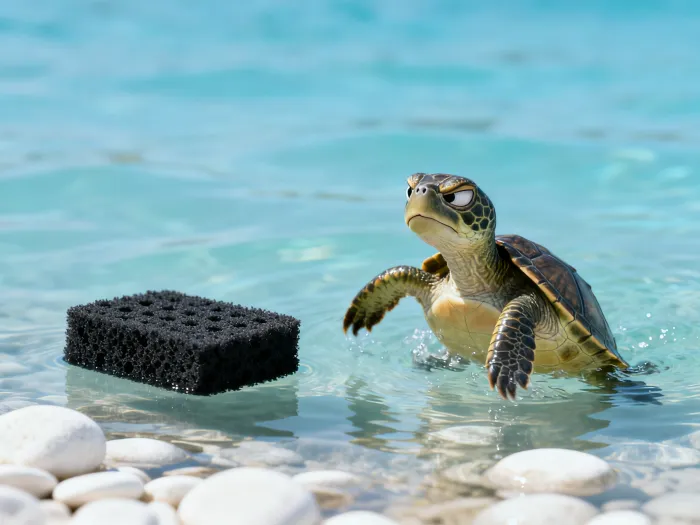
Have you ever noticed your pet tortoise avoiding black objects, or perhaps acting skittish around a dark shoe? You’re not alone! Many reptile keepers have reported similar observations, sparking curiosity among zoologists and reptile enthusiasts. In this article, we delve into the reasons why tortoises—those fascinating reptiles—seem to dislike the color black. Prepare for an engaging journey into reptile psychology and sensory biology!
The World Through a Tortoise’s Eyes
Tortoises don’t see the world the way humans do. Their eyes are specially adapted to detect certain colors and patterns in their environment. Imagine wearing sunglasses that only let in shades of green and yellow—this is similar to how tortoises perceive their surroundings. According to research published in Herpetological Monographs, tortoises are most sensitive to colors like green and red, which help them find food and avoid danger (source: Herpetological Monographs, 2010).
Why Black Stands Out
Black is an unusual color in the natural world of tortoises. Most of their environment consists of earthy tones—browns, greens, and yellows. When a tortoise sees something black, it can seem out of place, almost like a sudden shadow on a sunny day. Just as you might feel uneasy walking into a pitch-black room, tortoises may interpret black objects as potential threats or obstacles.
Defensive Instincts: Nature’s Survival Tools
Tortoises are prey animals; they rely on camouflage and slow movements to stay safe. In the wild, shadows often signal danger—a predator lurking nearby or an approaching threat. The color black mimics these shadowy forms, triggering a defensive response in tortoises. If you’ve ever seen your tortoise freeze or retreat into its shell near a black item, it’s likely responding with instinctive caution.
Analogies from Everyday Life
Think about how you react when you see a large, dark object suddenly appear in your path—it can be startling! For tortoises, their version of “startling” means backing away or hiding. Just as we associate darkness with uncertainty, reptiles like tortoises may see black as an unpredictable element in their habitat.
Real Keeper Anecdotes: Tales from the Field
“My Hermann’s tortoise always avoids my black gardening gloves,” says Emma Li, a reptile keeper from Sydney. “He’ll approach my yellow boots without hesitation but stops short if I wear anything dark.” Stories like Emma’s are common among experienced reptile enthusiasts and highlight how color can influence behavior.
Sensory Biology: How Tortoises Process Colors
The eyes of a tortoise contain cells called cones, which help detect colors. While humans have three types of cones for red, green, and blue light, tortoises are more attuned to green and red wavelengths (source: Journal of Comparative Physiology, 2012). Black objects reflect very little light, making them less visible or more threatening to these reptiles. This unique vision shapes their daily choices—from food selection to avoiding certain spots in their enclosure.
Comparing Reptiles: Is It Only Tortoises?
Other reptiles—like iguanas and lizards—also show color preferences but aren’t always as sensitive to black as tortoises. For example, green iguanas may ignore black entirely unless it’s moving or making noise. This difference emphasizes how specific species like the tortoise have evolved distinct visual cues for survival.
Environmental Impact: Setting Up Safe Spaces
If you’re designing a habitat for your pet tortoise, consider the colors you use! Bright greens and earthy browns will make your reptile feel at home. Avoid large black decorations or backgrounds that could create stress or confusion for your shelled friend. As one keeper shared on a popular forum: “Switching out my tank’s dark rocks for lighter ones made my Russian tortoise much more active—awesome results!”
Emotional Connections: Building Trust with Your Tortoise
Understanding why your tortoise dislikes black isn’t just about science—it’s also about building trust. When you respect their sensory needs by choosing appropriate colors in their environment, you’ll notice more confident behavior and better overall health.
Conclusion: Embrace Your Tortoise’s Unique Perspective
Tortoises’ aversion to black stems from evolutionary instincts and specialized vision—a reminder that every reptile species perceives the world differently. By learning about these subtle preferences, you can create safer habitats and deepen your bond with these remarkable creatures. Next time you notice your tortoise steering clear of something black, remember: it’s not just picky—it’s practicing ancient wisdom! Don’t miss out on unlocking even more secrets of reptile behavior; stay curious and observant!
Related topics: