
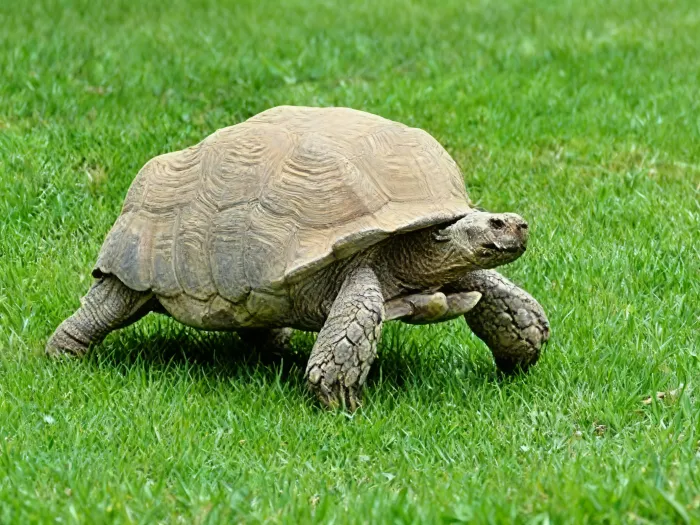
Have you ever wandered through a reptile expo or scrolled through online pet listings and found yourself captivated by a large, rugged tortoise with deeply furrowed scales and an irresistible, gentle gaze? If so, you’ve probably stumbled upon the sulcata tortoise—also known as the African spurred tortoise (Centrochelys sulcata). This reptile is not only one of the largest tortoises on earth but also a popular pet among reptile enthusiasts. But before you get swept up in dreams of owning this magnificent animal, there’s one big question: How much is a sulcata tortoise?
Let’s dive into this question right away. The price of a sulcata tortoise can range anywhere from $50 for a hatchling to over $1,000 for a mature adult. Sounds like a wide range, right? That’s because the cost depends on several factors including age, size, health, breeder reputation, and location. Just like buying a car—where a new sports model costs more than an old sedan—the sulcata tortoise’s price tag reflects more than just its shell!
But there’s more suspense here: the upfront purchase price is just one piece of the puzzle. When you’re considering adopting one of these gentle giants, it’s important to think about long-term costs like food, housing, veterinary care, and even conservation contributions. Awesome, right? Don’t miss out on understanding what it really takes to welcome this reptile into your life!
In this guide, we’ll break down everything you need to know about how much is a sulcata tortoise, using simple language and analogies that make even technical reptile lingo easy to grasp. Along the way, we’ll sprinkle in real anecdotes from keepers and cite expert sources so you can trust every word. Whether you’re a total beginner or just curious about reptiles, buckle up—you’re about to unlock the secrets behind the cost (and joy) of owning an African spurred tortoise.
The Sulcata Tortoise: What Makes This Reptile So Special—and Valuable?
Imagine spotting a living boulder slowly moving across your backyard—this is what it’s like to own an African spurred tortoise! The sulcata tortoise is native to the southern edge of the Sahara Desert and Sahel region in Africa. It’s not only the largest mainland tortoise in Africa but also ranks third in size globally after the Galapagos and Aldabra giant tortoises. According to the IUCN Red List (Petrozzi et al., 2021), the species is currently endangered due to habitat loss and over-collection for the pet trade.
So why are these reptiles so sought-after? Here are some quick facts:
- Size: Adult males can weigh over 100 kg (220 lbs)—think of it as lifting two large bags of cement! Females are smaller but still impressive.
- Lifespan: They can live up to 70 years or more in captivity (Gurley, 2002), making them lifelong companions.
- Personality: Sulcatas are known for their docile nature; they rarely show aggression and are often described as “gentle giants.” Owners love their slow-and-steady curiosity.
- Conservation: Because they’re endangered in the wild (IUCN Red List), owning one comes with responsibility.
When it comes to value, think about how rare collectibles—like vintage coins or rare plants—are priced not just for their appearance but also for their history and significance. The same goes for sulcata tortoises! Their size, longevity, and conservation status all add layers to their value.
But here’s an analogy: buying a sulcata is like adopting a classic car. Sure, you pay upfront for its beauty and rarity—but maintaining it requires ongoing care and investment. As one experienced keeper at Linton Zoo once said: “A sulcata isn’t just a pet—it’s an adventure that lasts decades.”
Breaking Down the Costs: Purchase Price and Beyond
Let’s get practical! If you’re shopping for a sulcata tortoise today, here’s what you need to know about pricing:
1. Hatchlings ($50–$150):
These tiny reptiles are usually around 2 inches long when sold by breeders or pet stores. They’re cute as buttons but require careful handling—think of them like fragile seedlings that need nurturing before they grow strong.
2. Juveniles ($150–$400):
At this stage (6–12 inches long), they’ve grown sturdier but still have plenty of growing left to do. The price goes up because they’re less vulnerable than hatchlings and have survived early life risks.
3. Adults ($400–$1\,200+):
Full-grown sulcatas can be massive! Buying an adult means skipping years of slow growth—but expect higher prices due to their size and established health.
4. Special Factors:
- Breeder Reputation: Well-known breeders who provide healthy animals with good documentation often charge more.
- Location: Prices vary by region; shipping costs may apply if you buy online.
- Health Guarantees: Some sellers include veterinary checks or guarantees—which add value but increase cost.
- Legal Permits: In some areas (like certain US states), legal paperwork may be needed due to conservation regulations.
According to “A Guide to Caring for Sulcata Tortoises as Pets” (The Spruce Pets), reputable breeders typically offer healthy hatchlings starting at $75–$100. Prices spike for older animals because they’ve survived crucial growth stages—a bit like how antique furniture gains value with age!
But don’t forget: buying your sulcata is only step one. Like welcoming a puppy into your home, your initial investment opens up ongoing costs that every responsible reptile owner must consider.
Hidden Costs: Housing, Diet, Veterinary Care, and More
If you think buying your African spurred tortoise is expensive, wait until you see what comes next! Owning any reptile means being prepared for expenses that go far beyond the price tag. Here’s what you should budget for:
1. Housing:
Sulcatas need spacious enclosures—ideally outdoor pens with sturdy fencing (about 2 feet high). They love burrowing; think of them as nature’s excavators! For indoor setups, large tanks with heat lamps are essential. Building an outdoor enclosure can cost $500–$2,000 depending on materials.
- Analogy: Imagine setting up a playground for a toddler—you want enough space for exploration AND safety barriers!
2. Heating & Lighting:
Sulcatas thrive in warm climates (up to 100°F during the day), so heat lamps or under-tank heaters are necessary if you live somewhere cold. UVB lighting mimics sunlight and keeps their shells strong—a full setup can run $100–$300 initially plus monthly energy bills.
- Fact: Without proper lighting, these reptiles can develop shell deformities—a little like how humans need vitamins from sunlight!
3. Diet:
A high-fiber diet is key; think orchard grass hay, dandelion greens, cactus pads… Avoid too much fruit or protein (which causes health issues). Monthly food costs can range from $30–$100 depending on availability of fresh greens.
- Keeper anecdote: “My sulcata loves prickly pear cactus—he’ll chase me across the yard for it!” says Sarah Berger (MedVet).
4. Veterinary Care:
Exotic vets charge more than standard pet clinics; annual check-ups may cost $100–$300 per visit. Emergency care (for shell injuries or respiratory infections) can run hundreds more—a bit like unexpected car repairs!
- Citation: According to Berger (2016), regular vet visits are essential for preventing shell rot and other common problems.
5. Miscellaneous Supplies:
Water bowls (large enough for soaking), calcium supplements for shell growth, substrate materials… Expect another $50–$200 annually.
- Tip: Always ask breeders what supplies they recommend—they know their reptiles best!
Why Do Prices Vary So Much? Factors That Influence Sulcata Tortoise Cost
You might wonder why one breeder charges $75 while another asks $500—or why adult sulcatas sometimes cost over $1,000! Here are key reasons behind these differences:
1. Age & Size:
Older tortoises have survived vulnerable years; their larger size means more resources spent raising them—just like how older trees fetch higher prices than saplings.
2. Health Status:
Healthy animals with clean bills from exotic vets command premium prices; sickly or poorly-raised animals may sell cheaper but bring higher future costs.
- Expert note: “A well-raised sulcata will save you money in vet bills,” says Russ Gurley (2002).
3. Genetics & Lineage:
Some breeders specialize in rare color morphs or bloodlines with exceptional traits (like extra-large size). These individuals are priced higher due to selective breeding efforts—similar to purebred dogs or horses!
- Analogy: Think about heirloom tomatoes versus supermarket varieties—the special ones always cost more!
4. Location & Shipping:
Prices vary by region; shipping live reptiles requires special permits and climate-controlled packaging which adds $50–$200 per shipment.
- Citation: According to international reports on reptile trade logistics (Petrozzi et al., 2018), safe transport is crucial for animal welfare.
5. Conservation Status & Legal Regulations:
Because C. sulcata is endangered (IUCN Red List), some countries restrict sales or require permits—legal compliance adds time and expense.
- Keeper anecdote: “I had to wait three months for my permit—it was worth every minute,” shares Tom Diagne from Senegal’s Ferlo reintroduction program.
Long-Term Commitment: Is Owning a Sulcata Worth It? Real Stories from Keepers Around the World
Let’s get real for a moment—owning an African spurred tortoise isn’t just about money; it’s about heart! These reptiles can outlive their owners if cared for properly; some families pass them down through generations like treasured heirlooms.
Here are some stories from real keepers:
- At Linton Zoo in England, keepers describe their adult male sulcatas as “gentle giants who love sunbathing with visitors.” They emphasize that daily care—from cleaning burrows to monitoring diet—is essential for keeping these reptiles healthy and happy.
- In West Africa’s Ferlo region reintroduction program (Garrigues & Cadi 2011), rescued sulcatas adapted well back into wild savannas after years in captivity—a testament to their resilience!
- Sarah Berger recalls her first year owning a juvenile: “He grew so fast—I had no idea he’d need so much hay! But watching him dig his first burrow was awesome.”
- Another keeper shares: “My kids learned patience from our sulcata; he moves slowly but never gives up.” This lesson sums up what many owners feel—the joy comes not just from ownership but from partnership over time.
But don’t miss this important truth: long-term costs add up! Food bills rise as your reptile grows; larger enclosures become necessary; vet visits help prevent disease outbreaks… Think of your commitment as planting an oak tree—it takes years before it provides shade but rewards come with patience.
Conclusion: Making Your Choice—Is the Sulcata Tortoise Right for You?
So now that you know how much a sulcata tortoise costs—and what goes into caring for one—are you ready?
Owning an African spurred tortoise means investing not only money but also time and emotion into ensuring its well-being over decades. From hatchlings at $50–$150 all the way up to mature adults costing over $1,000 plus annual care expenses—the journey offers both challenge and reward.
If you’re looking for a unique reptile companion who teaches patience and brings generations together—a living relic from Africa’s wild savannas—the sulcata could be your perfect match!
Related topics: