
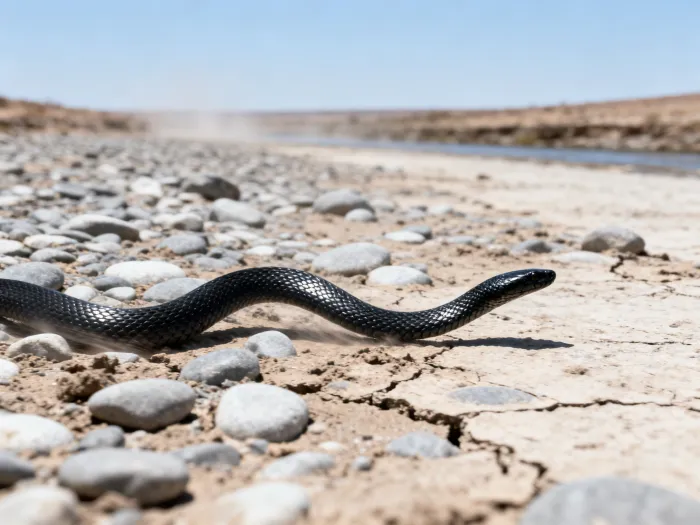
If you’ve ever wondered whether anyone has survived an encounter with a black mamba, you’re not alone. This snake is legendary for its speed, size, and especially its potent venom. Some people believe a black mamba bite is always fatal, but is that really true? Let’s dive into real stories and scientific facts to uncover the truth about surviving this fearsome member of the reptiles family.
What Makes the Black Mamba So Dangerous?
The black mamba isn’t just another snake. Imagine a sports car—fast, sleek, and powerful. The black mamba can move at speeds up to 20 kilometers per hour (about as fast as a bicycle!), and its venom acts like a lightning-fast poison, attacking your nervous system in minutes. For reference, the average snake bite might feel like a bee sting; a black mamba bite can be compared to touching a live wire—immediate and intense.
Its venom contains neurotoxins that shut down muscles and breathing. Without treatment, death can occur in as little as 20 minutes. That’s why it’s often called “the kiss of death” among snake experts.
Real Survival Stories: Is It Possible?
You may be surprised to learn that some people have survived black mamba bites. How? The answer lies in quick thinking and modern medicine. Here’s an anecdote from a South African park ranger:
“I felt the sharp pain on my leg and knew immediately what it was—a black mamba. I radioed for help, tied off my leg above the bite, and kept as still as possible. Within 15 minutes, paramedics arrived with antivenom.”
This ranger survived because he received antivenom, which works like an antidote—think of it as pressing ‘undo’ on a computer mistake. Antivenom neutralizes the snake’s toxins if given soon enough.
How Does Antivenom Work?
Antivenom is made by injecting small amounts of snake venom into animals like horses, then collecting antibodies from their blood. These antibodies fight off the venom inside your body. Imagine antivenom as firefighters dousing flames before they spread too far.
Timing is everything! If antivenom is given within one hour of a black mamba bite, survival chances increase dramatically. According to the World Health Organization (WHO), access to medical care and antivenom has saved hundreds from fatal outcomes (WHO Snakebite Fact Sheet).
Recognizing a Black Mamba Bite: What You Should Know
If you ever find yourself in black mamba territory (such as parts of sub-Saharan Africa), remember these symptoms:
- Tingling or numbness at the bite site (like your foot ‘falling asleep’)
- Double vision or drooping eyelids (like being extremely tired)
- Difficulty breathing and swallowing (like choking on food)
- Rapid heartbeat (your heart races after exercise)
Immediate action is crucial! Call for emergency help, try to stay calm, and keep the bitten limb still.
Why Do Some People Not Survive?
Unfortunately, not everyone gets lucky. In rural areas where hospitals are far away or antivenom isn’t available, deaths still occur. The black mamba’s venom works so quickly that even healthy adults may not make it without proper treatment. This reality highlights why education about snakes is vital for communities living near them.
Myths vs Facts: Clearing Up Confusion About Snakes
Many people think all snakes are deadly—this isn’t true! Most snakes are harmless or even helpful by controlling pests like mice. The black mamba stands out because of its speed and toxicity, but it’s actually shy and avoids humans when possible.
Fun fact: Some reptile keepers have handled black mambas safely for years using special tools called “snake hooks.” As one experienced handler says:
“Respect is key—never take your eyes off a black mamba.”
Prevention Is Better Than Cure: Staying Safe Around Reptiles
If you travel or work in areas where black mambas live:
- Wear boots and long pants when hiking.
- Check shoes before putting them on.
- Don’t try to catch or provoke any snake!
- Learn about local reptiles so you know which ones to avoid.
Knowledge is your best shield against snake bites.
Conclusion: Yes, Survival Is Possible—But Caution Is Essential!
So, has anyone survived a black mamba? Absolutely! Thanks to rapid medical intervention and antivenom, survival rates are rising each year. However, these snakes remain among the most dangerous reptiles in the world—a reminder that respecting wildlife saves lives.
If you ever meet a black mamba (or any other venomous snake), remember: Stay calm, get help quickly, and never underestimate nature’s power. Awesome advances in medicine mean more people can survive than ever before—don’t miss out on learning how to stay safe around these amazing reptiles!
Related topics: