
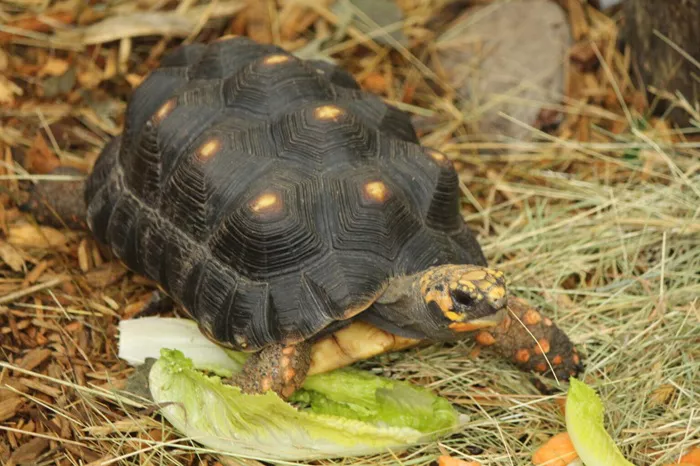
Imagine this: you’re about to feed your red-footed tortoise, and you’ve got a lovely assortment of fruits and veggies ready. But wait—did you know that some of those foods could be harmful to your shelled friend? That’s right! Just like how certain foods can upset your stomach, some foods can do the same to your tortoise. In this guide, we’ll explore what NOT to feed your red-footed tortoise to keep them happy and healthy.
❌ Harmful Foods to Avoid
1. Citrus Fruits: Oranges, Lemons, and Limes
Citrus fruits are delicious for us, but not for your tortoise. The acidity in these fruits can cause digestive issues and mouth sores in red-footed tortoises. It’s best to steer clear of them.
2. Tomatoes and Potatoes (Leaves and Vines)
While the fruit of the tomato is okay in moderation, the leaves and vines contain solanine, a toxin that can be harmful to tortoises. Always remove these parts before feeding.
3. Avocado
Avocado contains persin, a substance that can be toxic to many animals, including tortoises. Avoid feeding any part of the avocado to your pet.
4. Onions and Garlic
These common kitchen staples can cause blood cell damage and digestive upset in tortoises. Keep them away from your tortoise’s diet.
5. Rhubarb
Rhubarb leaves are highly toxic to tortoises and can cause kidney failure. Never feed rhubarb to your pet.
6. Iceberg Lettuce
While not toxic, iceberg lettuce has little nutritional value and can cause diarrhea in tortoises. Opt for more nutritious leafy greens instead.
7. Spinach and Kale (In Large Amounts)
Spinach and kale contain oxalates and goitrogens, which can interfere with calcium absorption and thyroid function. Feed these in moderation.
🌿 Toxic Plants to Avoid
Many plants that are safe for humans can be dangerous for tortoises. Here are some common toxic plants to avoid:
Buttercup (Ranunculus spp.): Can cause mouth irritation and digestive upset.
Foxglove (Digitalis spp.): Contains toxins that affect the heart.
Azalea (Rhododendron spp.): Can cause vomiting and diarrhea.
Daffodil (Narcissus spp.): Contains compounds that can lead to digestive issues.
Oleander (Nerium oleander): Highly toxic; even small amounts can be fatal.
Always research a plant before introducing it to your tortoise’s environment.
🧂 Foods to Feed Sparingly
Some foods are okay for tortoises but should be given in moderation:
Fruits: While tasty, fruits are high in sugar and should be offered occasionally.
Animal Protein: Red-footed tortoises are primarily herbivores, but small amounts of animal protein like insects can be included in their diet.
Dairy Products: Not suitable for tortoises; avoid feeding them.
🥗 A Balanced Diet for Your Red-Footed Tortoise
To keep your tortoise healthy, provide a balanced diet:
Leafy Greens: Offer a variety of dark, leafy greens like dandelion greens, collard greens, and mustard greens.
Vegetables: Include squash, pumpkin, and bell peppers.
Fruits: Occasionally feed fruits like papaya, mango, and berries.
Flowers: Hibiscus and dandelion flowers are safe and nutritious.
Calcium Supplements: Dust food with a calcium supplement to support shell health.
🐢 Conclusion: Keeping Your Tortoise Safe
Feeding your red-footed tortoise the right foods is crucial for their health and well-being. By avoiding harmful foods and providing a balanced diet, you can ensure your tortoise lives a long, happy life. Always research before introducing new foods and consult with a veterinarian if you’re unsure.
Related topics: