
Losing a pet is one of the most stressful situations a pet owner can face. For snake owners, the challenge of finding a lost corn snake can feel particularly daunting. Corn snakes are small, fast, and masters of camouflage, making them notoriously difficult to find once they’ve escaped. But don’t worry! With the right strategy and a bit of patience, you can successfully locate your lost corn snake. In this article, we’ll walk you through all the essential steps, share expert tips, and provide helpful advice to make sure you can reunite with your slithery companion.
Understanding Corn Snakes: A Quick Overview
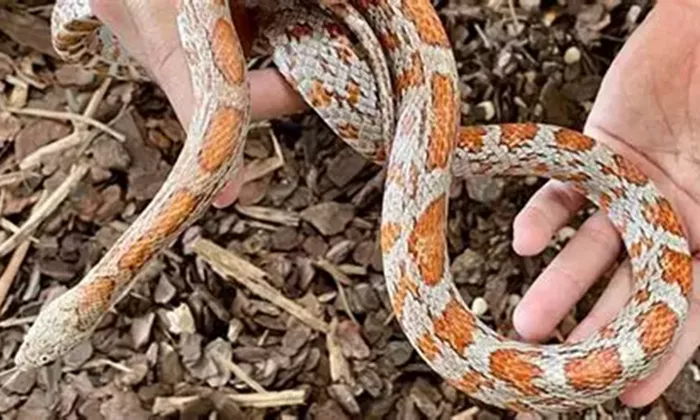
Before diving into the search process, it’s important to understand your corn snake’s behavior. Corn snakes (Pantherophis guttatus) are non-venomous, arboreal reptiles native to the southeastern United States. They are known for their striking coloration, which often includes a pattern of orange and red, but their patterns can vary. Corn snakes are typically shy, and they prefer to hide in dark, tight spaces when they feel threatened.
Understanding their natural instincts will help you create an effective strategy for locating your pet. Corn snakes are great escape artists, and if your snake has gotten out, it could be hiding in a place where it feels secure. So, let’s go over what to do when you find yourself in this situation.
Step 1: Stay Calm and Think Logically
We know—it’s easy to panic when you realize your snake has gone missing. But staying calm is essential. Panicking won’t help you think clearly, and your snake won’t be easy to find if you’re stressed. Take a deep breath and approach the situation logically. Ask yourself a few simple questions:
- Where did you last see the snake?
- Is there any way it could have escaped from its enclosure?
- Have you noticed any areas in your home that are especially dark or tight?
Remember, corn snakes are curious and will seek out small spaces, so make sure you focus your search efforts on places where your snake might have slipped away unnoticed.
Step 2: Check the Enclosure and Nearby Areas
First and foremost, double-check the snake’s enclosure. It’s easy to assume that a corn snake can’t escape, but they are skilled at finding weaknesses in their enclosures. If there are any gaps in the lid, cracks in the sides, or poorly sealed areas, your snake could have slipped through them.
Next, check any nearby areas where the snake may have slithered. Focus on places that are warm, dark, and quiet—these are the types of environments corn snakes gravitate toward. Think of places like:
- Behind or under furniture
- Inside wall crevices (especially if you have baseboard gaps)
- Underneath appliances (fridges, stoves, etc.)
In fact, imagine your snake as a little explorer—if it’s anything like a tiny, sneaky adventurer, it will want to find somewhere dark and hidden. Now, here’s where the real hunt begins.
Step 3: Search Your Home Methodically
It’s time to begin your search. You’ll want to cover the entire area systematically so you don’t overlook any hiding spots. Here’s how to do it:
Focus on the Floor: Corn snakes are ground dwellers by nature, so start by scanning the floor. Look under furniture, behind shelves, and around piles of clothing, books, or boxes.
Inspect Dark, Quiet Places: Corn snakes love quiet, enclosed spaces. Pay close attention to any nooks and crannies—spaces under and behind large furniture, in closets, or any gaps between walls and floors.
Don’t Forget High Places: Although corn snakes don’t naturally climb high, they can scale furniture or objects with rough surfaces. Check behind or inside bookcases, cabinets, or even potted plants.
Use a Flashlight: If you’re searching at night or in dimly lit areas, use a flashlight. The light will help you spot your snake’s reflection or glimmer in dark areas where it could be hiding.
Check Warm Spots: Corn snakes love warmth, so if you have heat lamps or heating pads, inspect these areas carefully. Your snake may have found a cozy spot to curl up.
By checking systematically, you’ll increase the chances of spotting your snake hiding in an unexpected place. Be patient—you’re on the right track.
Step 4: Leave Traps and Use Attractants
If you’ve searched your home thoroughly and still haven’t found your corn snake, it’s time to think like a snake. Corn snakes are attracted to specific scents, and by using food or scent traps, you may be able to lure them back out.
Place Scented Traps: Consider placing food items like frozen/thawed mice or rats, which might attract your snake. You could also place something that smells familiar to your pet, like an old towel or piece of fabric from its enclosure.
Create a Safe Space: Leave the snake’s enclosure open in a quiet room with the heating pad turned on. The warmth and familiar surroundings might lure the snake back to where it feels safe.
Avoid Overwhelming Odors: While trying to lure your snake back, avoid using strong cleaning products or other strong-smelling items. Corn snakes have a keen sense of smell, so you don’t want to mask the familiar scents they might recognize.
Step 5: Ask for Help and Use Social Media
If your corn snake is still nowhere to be found after an exhaustive search, it’s time to get help. Don’t hesitate to reach out to local communities for support. Here are a few ways to involve others:
Ask Neighbors: If you live in a neighborhood, it’s worth asking your neighbors if they’ve seen anything unusual. Snakes are known to wander, and it’s possible that someone spotted your corn snake.
Check Online Lost-and-Found Groups: Websites like Facebook or Nextdoor often have groups dedicated to lost pets. Post a picture and a detailed description of your corn snake, along with where it was last seen.
Reach Out to Reptile Forums or Experts: Many online reptile communities are full of experienced snake owners who can provide valuable advice. You can also reach out to local veterinarians, herpetologists, or animal shelters for assistance.
Step 6: Prevention for the Future
Once you’ve found your corn snake (or in case you don’t), take the time to make sure this doesn’t happen again. Here are some tips for securing your corn snake’s habitat:
Inspect the Enclosure: Make sure the lid of your snake’s enclosure is securely locked and that there are no gaps or cracks that could allow the snake to escape. If necessary, invest in a more secure tank with tighter seals.
Provide Proper Hiding Places: Snakes like their privacy. Provide your corn snake with secure hideouts inside its tank to keep it feeling safe and secure.
Temperature Control: Corn snakes are attracted to warmth, so keeping your home at a stable temperature with proper heating elements inside their enclosure can keep them happy and less likely to seek warmth outside their habitat.
By setting up a safe and secure environment, you reduce the chances of your snake getting lost in the future.
Conclusion
Losing a corn snake can be stressful, but with patience and the right approach, you’ll be able to find your slithery friend. Remember to stay calm, methodically search your home, and use attractants to lure your pet back. And once you find your corn snake, take steps to ensure it stays safe and secure in the future.
Your corn snake may be small, but it’s a clever little adventurer. With a little bit of detective work and a lot of persistence, you’ll soon have your snake back in its cozy home.
Related topic: