
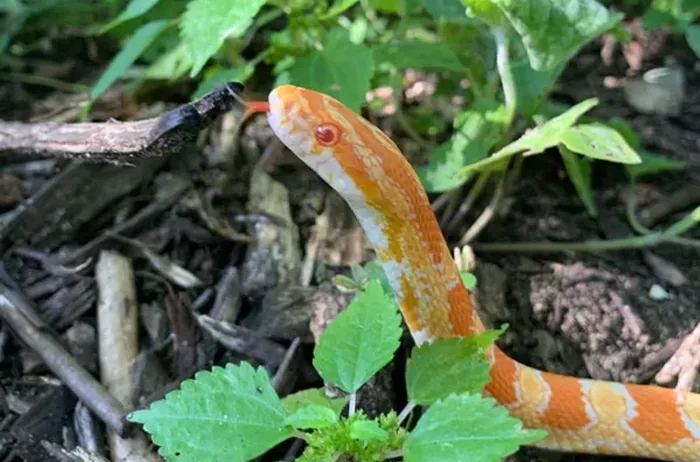
Corn snakes are among the most popular pet reptiles in the world. They are calm, manageable in size, and their colors are vibrant, making them perfect for both beginners and experienced reptile keepers. But don’t let their cute appearance fool you—corn snakes can have health problems. If your snake refuses to eat or struggles to shed, you might wonder if something is wrong. The truth is that corn snakes do face several health challenges, but most of them can be prevented with proper care. Knowing what to watch for will help you keep your snake healthy and happy.
The body of a corn snake works like a tiny athlete, efficient and precise, but only if the environment, diet, and care are right. Corn snakes are cold-blooded, meaning they rely on their surroundings to regulate body temperature. Unlike humans, they can’t sweat or shiver, so providing proper warmth is essential. A healthy corn snake has clear eyes, smooth skin, and a good appetite. If you notice your snake hiding a lot, refusing food, or having trouble shedding, it’s a sign it might be struggling.
Respiratory Infections
One common issue corn snakes face is respiratory infections. They don’t catch colds like humans, but their lungs can become infected if the enclosure is too cold or humid. Symptoms include wheezing, bubbling noises when breathing, open-mouth breathing, or mucus around the nostrils. It’s similar to trying to breathe through a straw while lying in a damp, chilly room—uncomfortable and dangerous. If untreated, respiratory infections can become life-threatening. Treatment usually involves antibiotics prescribed by a vet, and adjusting the snake’s enclosure to the right temperature and humidity helps recovery and prevents future problems.
When you manage the snake’s breathing environment well, it also reduces the risk of other problems like skin infections and shedding difficulties. Ensuring a proper temperature gradient and ventilation in the enclosure keeps your snake’s lungs healthy and helps it thrive.
Shedding Problems
Shedding is natural for snakes, but sometimes corn snakes have trouble with it. Incomplete shedding can happen if humidity is too low or if the snake is stressed. Signs include patches of old skin sticking to the body, cloudy eyes that don’t clear, or retained tail tips. You can think of it like wearing a jacket that’s too tight—it just won’t come off easily. Providing a humid hide, keeping the snake hydrated, and gentle handling during shedding usually solves the problem.
Problems with shedding often show up alongside digestive or nutritional issues, so watching your snake’s behavior and skin can give you clues about its overall health. Regular observation helps you spot early warning signs before they become serious.
Digestive Problems
Corn snakes have fairly simple digestive systems, but constipation, impaction, and regurgitation can occur. Impaction happens when a snake swallows substrate like wood chips or a prey item that is too large. Imagine trying to swallow a sandwich that’s way too big—that’s how your snake feels. Symptoms include refusing food, bloating, lethargy, or straining to pass stool. Feeding the right prey size and avoiding loose substrates are key to preventing this.
Regurgitation can also occur if a snake is stressed, experiences sudden temperature changes, or is handled too soon after feeding. Keeping a consistent feeding routine and handling gently can prevent most of these issues. Digestive health is closely tied to the risk of parasites, which are often harder to detect but can seriously affect your snake’s health.
Parasites
Internal parasites like nematodes and protozoa are common in corn snakes. These tiny invaders can cause weight loss, diarrhea, lethargy, and poor growth. External parasites, such as mites, can appear as tiny black or red dots moving across the skin, causing irritation. Think of mites like sand fleas—they make your snake uncomfortable and can weaken it over time.
Regular fecal checks and routine veterinary care help detect parasites early. If your corn snake suddenly loses weight or shows unusual behavior, a vet visit is essential. Preventing parasites through hygiene, quarantine of new snakes, and careful monitoring keeps your snake healthy in the long term.
Mouth Infections
Mouth rot, also known as infectious stomatitis, is a bacterial infection affecting a snake’s mouth. You may notice swollen gums, pus, or a bad smell, and your snake might refuse to eat. Severe cases can spread to internal organs if left untreated. Mouth rot often arises from injuries caused by prey, poor hygiene, or stress.
Think of it like a tooth abscess in humans—it’s painful and dangerous if untreated. Treatment includes cleaning the mouth, antibiotics, and improving the snake’s habitat to reduce infection risk. Monitoring your corn snake’s mouth regularly can catch issues early before they worsen.
Skin Problems
Beyond shedding, corn snakes can develop fungal or bacterial skin infections. Symptoms include discolored patches, blisters, or unusual spots. These infections often appear in damp or unclean enclosures. Imagine wearing wet socks for days—they create a perfect environment for bacteria to grow. Keeping the terrarium clean, avoiding constant moisture buildup, and regularly checking your snake’s skin prevent most skin problems.
Skin health is also affected by diet and stress. A balanced approach ensures your corn snake’s skin stays smooth and vibrant while minimizing the risk of disease.
Genetic and Congenital Issues
Most corn snakes bred in captivity are healthy, but overbreeding for colors or patterns can sometimes cause genetic problems. These may include spinal deformities, kinked tails, or metabolic disorders. Imagine inheriting weak knees from family history—these traits might subtly affect your snake’s health even if it looks normal externally. Choosing snakes from responsible breeders and being aware of their lineage reduces the risk of genetic issues.
Even healthy environments and diets can’t fully prevent congenital problems, so understanding your snake’s background is important for long-term care.
Nutritional Health
Corn snakes are carnivores and thrive on rodents like mice or rats. Feeding incorrectly can cause obesity, malnutrition, or vitamin deficiencies. Overfeeding is common—some owners assume “bigger meals mean a healthier snake,” but that’s not true. Picture yourself eating fast food every day—it might feel satisfying, but it causes long-term health issues. Feed juvenile corn snakes every 5–7 days and adults every 7–10 days with appropriately sized prey. This prevents obesity and digestive problems.
Proper nutrition also supports shedding, immune function, and reproductive health. Keeping track of feeding schedules and prey sizes makes a big difference in your snake’s well-being.
Reproductive Health
Female corn snakes can experience egg-binding, a serious condition where eggs get stuck inside. Signs include lethargy, loss of appetite, and visible swelling. Male corn snakes, though less prone, can face infections or injuries during mating. Egg-binding is similar to a woman experiencing difficulties during childbirth—immediate veterinary care is often required. Breeding corn snakes should only be attempted by experienced keepers aware of these risks.
Reproductive issues often tie back to nutrition, hydration, and stress levels. Maintaining proper care throughout the year helps minimize these problems.
Age-Related Health Concerns
As corn snakes get older, metabolism slows, appetite decreases, and the immune system becomes less effective. Older snakes may be more prone to infections, parasites, or injuries. Think of a senior snake like an elder human—it needs attention, stable conditions, and gentle care to stay healthy.
Monitoring an older snake’s diet, behavior, and environment ensures a long, healthy life. With proper care, corn snakes can live 15–20 years in captivity.
Stress and Its Effects
Stress might seem minor, but for corn snakes, it can trigger serious health problems. Loud noises, frequent handling, sudden temperature changes, or lack of hiding spots all contribute to stress. Stress weakens the immune system and can lead to shedding problems, digestive issues, or susceptibility to infections. Imagine working under constant pressure—it impacts your health over time. Providing hiding spots, gentle handling, and stable routines reduces stress and promotes a healthier, happier snake.
Preventive Care
The good news is that most health problems in corn snakes are preventable. Maintaining proper temperature and humidity, using safe substrates, keeping the enclosure clean, feeding the right prey sizes, offering hiding spots, and scheduling regular veterinary check-ups go a long way. Observing your snake daily for changes in behavior, appetite, or appearance helps catch problems early. Think of preventive care as daily exercise and hygiene for your snake—simple steps that make a big difference.
Conclusion
Corn snakes are resilient and generally low-maintenance pets, but they aren’t immune to health problems. Respiratory infections, shedding difficulties, digestive issues, parasites, mouth rot, skin infections, nutritional and reproductive challenges, genetic conditions, and stress-related problems all exist. Awareness, preventive care, and attentive observation are the keys to keeping your corn snake healthy. With proper attention, your snake can live a long, fascinating life, giving you years of enjoyment and companionship.
Related topics: