
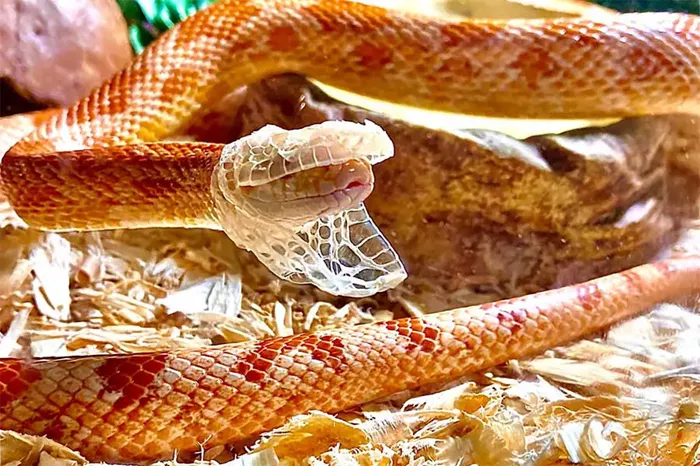
Imagine holding a snake in your hands and feeling its smooth scales gliding gently across your skin. Feels a bit exciting, right? If you’re considering a first-time snake as a pet, the corn snake (Pantherophis guttatus) might just be your perfect companion. Corn snakes are colorful, friendly, and relatively easy to care for compared to other reptiles. In this guide, we’ll break down everything you need to know to raise a healthy, happy corn snake.
🌟 Why Corn Snakes Make Great Pets
Corn snakes are native to the southeastern United States. In the wild, they roam forests, grasslands, and farmlands, hunting small mammals. They are non-venomous, meaning they are completely safe for humans. Their size is moderate: adults usually grow 3–5 feet (90–150 cm) long, which makes them manageable for beginners. Some corn snakes live up to 25 years, making them a long-term pet you can bond with.
Think of a corn snake like a goldfish that lives a lot longer—easy to care for, interactive if handled properly, but it needs a routine. Their calm nature and adaptability are reasons why many people, even first-time reptile owners, fall in love with them.
🏠 Creating the Perfect Home for Your Corn Snake
🐍 1. Choosing the Right Enclosure
Your corn snake needs a safe and secure home, just like you need a comfortable apartment. The enclosure should be made of glass or durable plastic and provide proper ventilation. A snake’s home isn’t just a cage—it’s its entire world.
Size matters: Your enclosure should be at least twice as long as your snake. For instance, a 4-foot snake needs an 8-foot-long equivalent in terrarium space for proper movement. Think of it as giving your snake a hallway to stretch its body and explore.
Substrate selection: Use bedding like aspen shavings, coconut fiber, or even paper towels. Avoid cedar shavings because they can be harmful. Substrate acts like a carpet in your home—comfortable and safe for walking, but also easy to clean.
🌡️ 2. Temperature Control
Corn snakes are ectotherms, which means they rely on external heat to regulate their body temperature—like a car engine that needs fuel to run smoothly.
Temperature gradient: One side of the enclosure should be warmer (around 75–86°F / 24–30°C) and the other cooler (around 72–75°F / 22–24°C). This allows your snake to move to the temperature it prefers.
Night temperatures: Keep it above 70°F (21°C). Sudden drops can stress the snake.
Heat sources: Use heat lamps, ceramic heaters, or under-tank heating pads safely. Always provide a “cool zone” so your snake can move away from heat when needed.
💧 3. Humidity Levels
Corn snakes do not require very high humidity, but proper humidity is critical during shedding. Think of humidity as a lotion for your snake’s skin—it keeps it supple.
Average humidity: Around 40–50% is fine for most of the year.
During shedding: Increase humidity slightly by misting the enclosure lightly or providing a damp hide.
Water: Provide a bowl large enough for soaking. Corn snakes often soak during shedding to help loosen old skin.
🍽️ Feeding Your Corn Snake
🐭 1. What Corn Snakes Eat
Corn snakes are carnivores. In the wild, they hunt mice, rats, and sometimes small birds. In captivity, you’ll feed them pre-killed, frozen-thawed mice or rats. Think of this as giving your snake a ready-made meal instead of hunting in the wild—it’s safer and prevents injuries from live prey.
🕒 2. Feeding Frequency
Juveniles: Eat every 2–3 days. Growing snakes need more frequent meals, similar to toddlers who eat often to fuel rapid growth.
Adults: Eat every 7–10 days. Adults have slower metabolism, so they don’t need to eat as often.
Tips: Always use feeding tongs, not your hands. Corn snakes may mistake fingers for prey if you feed by hand, which can lead to accidental bites.
💧 3. Water Supply
Fresh, clean water is essential. Corn snakes drink regularly and sometimes soak to hydrate and aid shedding. Replace water daily or if it becomes dirty.
🐾 Maintaining Corn Snake Health
👀 1. Signs of a Healthy Snake
A healthy corn snake is active, alert, and has bright, clear eyes. Its body should be firm and smooth, and it should shed its skin regularly.
Red flags include:
- Refusing food for multiple meals
- Weight loss
- Discolored skin or cloudy eyes outside of shedding
- Lethargy
Early detection is key to preventing serious problems.
🐛 2. Common Health Issues
Corn snakes may experience:
Respiratory infections: Often caused by cold or damp conditions.
Mites or ticks: Small parasites that irritate the snake’s skin.
Shedding problems: Low humidity or poor health can cause incomplete shedding.
Prevention includes keeping the enclosure clean, maintaining proper temperatures, and providing good diet and water.
🧑🤝🧑 Handling Your Corn Snake
Corn snakes are naturally docile and can be handled safely. Building trust is important:
- Start slowly and let the snake explore your hands.
- Avoid sudden movements. Corn snakes are curious but cautious—they need to feel secure.
- Gradually increase handling time over days or weeks.
Over time, your snake may recognize your scent and enjoy being handled, making the experience interactive and fun for both of you.
🧹 Cleaning and Maintaining the Enclosure
Cleanliness is crucial for your snake’s health. Think of it as housekeeping—avoiding mold, bacteria, and pests.
Daily: Remove feces, shed skin, and leftover food.
Weekly: Wipe down surfaces, check water bowls, and clean decorations.
Monthly: Replace bedding entirely and perform a deep clean of the tank.
Keeping the environment fresh ensures your snake stays healthy and comfortable.
🌈 Understanding Corn Snake Behavior
Active explorers: Corn snakes love to crawl and explore, especially at night.
Hiding: They appreciate hiding spots, such as caves, tubes, or dense foliage. These spots act as their personal “rooms” where they feel safe.
Shedding: Expect them to become quieter and more reclusive during this time. Provide extra humidity to help them shed smoothly.
Understanding their behavior helps you anticipate needs and keeps your snake stress-free.
🔍 Frequently Asked Questions
1. Can corn snakes live with other snakes?
No. Corn snakes are best kept alone to avoid stress or fighting.
2. Do corn snakes need UV lighting?
They do not require UVB light. However, a light-dark cycle of 12 hours each helps simulate natural conditions.
3. How often do they shed?
Typically every 4–6 weeks. During shedding, they may hide more and eat less.
4. Can corn snakes climb?
Yes! They enjoy climbing branches or decorations in their enclosure. Think of it like adding a jungle gym for them.
🧭 Conclusion
Corn snakes are rewarding pets:
- Provide a secure and spacious enclosure.
- Maintain proper temperature and humidity.
- Feed a proper diet and always provide clean water.
- Handle them gently to build trust.
- Keep the enclosure clean to prevent illness.
With patience and care, your corn snake can thrive and provide years of enjoyment.
Related topics: