
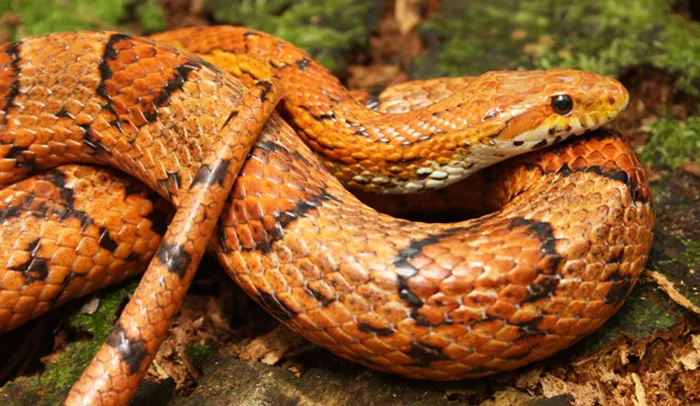
If you’ve ever owned a corn snake or thought about getting one, you’ve probably wondered about their hydration needs. After all, snakes aren’t exactly the first creatures that come to mind when we think about drinking water. But do corn snakes drink water, and if so, how much and how often?
In this article, we’ll dive deep into the hydration habits of corn snakes, explore how they drink, and provide tips on how to ensure your pet stays hydrated and healthy. Whether you’re a seasoned reptile keeper or a first-time snake owner, you’ll find valuable insights here. Let’s unlock this fascinating aspect of snake care, and trust us, you won’t want to miss these essential details!
Do Corn Snakes Drink Water? The Basics
Corn snakes, like most reptiles, require water to survive. While they may not drink water in the same way mammals do (like gulping down a glass of water), they still need hydration to maintain their bodily functions.
You might be thinking, “Wait, do snakes even drink water?” Yes, they do! In the wild, corn snakes (Pantherophis guttatus) typically drink from natural water sources like puddles, streams, or water collected on leaves after rain. In captivity, however, we provide them with a water dish, which they will drink from as needed.
How Do Corn Snakes Drink Water?
To understand how corn snakes drink, let’s first address a common misconception: snakes don’t lap up water with their tongues like dogs or cats do. Instead, they use their specialized anatomy to drink. When a corn snake is thirsty, it will approach the water dish and “sip” by moving its head down, opening its mouth, and using its tongue to draw in water.
Imagine you’re holding a straw in a glass of water. You don’t have to move the straw up and down repeatedly to drink. Instead, you just suck the liquid in. Similarly, corn snakes use their mouths and tongue to draw in water. This process is called “ingestion through the oropharyngeal cavity.” It sounds fancy, but it’s just a way of saying that they use their mouth and throat to drink.
Pro Tip: If you notice that your corn snake’s water bowl is rarely touched or is always full, it may not be getting enough hydration. Make sure it’s clean and accessible for your snake to drink whenever it needs to.
How Much Water Do Corn Snakes Need?
Unlike humans or even mammals like dogs, snakes don’t have a set amount of water they need to consume every day. Their hydration needs depend on various factors, including:
Age: Baby corn snakes may drink more frequently than adults because they’re growing fast and have higher metabolism.
Temperature: If your snake’s habitat is too warm, it may drink more to compensate for dehydration.
Humidity: Corn snakes are native to regions with relatively low humidity, so they don’t require extremely moist environments. However, if the humidity is too low, they may drink more to stay hydrated.
Diet: If your corn snake eats prey with a high water content, such as rodents, it may need less water than one that eats dry food.
Generally, a corn snake will drink a small amount of water once every few days. You don’t need to worry about constantly replenishing their water supply, but it’s important to always offer fresh, clean water.
Signs Your Corn Snake Needs More Water
Sometimes, it’s easy to forget that snakes need hydration just like any other pet. But if your corn snake isn’t drinking enough, there are signs you should look out for:
Dehydration Symptoms: You may notice that your snake’s skin appears dry or flaky. This is a clear indicator that your snake isn’t drinking enough water.
Lethargy: If your snake is acting unusually sluggish or disoriented, dehydration could be the cause. A healthy corn snake is usually quite active and alert.
Difficulty Shedding: If your snake is having trouble shedding its skin properly, it may be due to dehydration. Snakes rely on hydration to shed skin smoothly.
Note: If you notice these symptoms, it’s crucial to check both the water source and the humidity in their habitat. Low humidity or dirty water bowls can be a cause of dehydration.
How to Provide Water for Your Corn Snake
When it comes to offering water to your corn snake, simplicity is key. Here are a few tips on how to set up their water source:
Choose the Right Bowl: Select a shallow, sturdy water dish that your corn snake can easily access. The bowl should be large enough for the snake to submerge its head and drink but not so deep that the snake can accidentally drown. A ceramic or heavy plastic dish works best because it’s stable and won’t tip over easily.
Keep It Clean: Just like any pet, corn snakes need fresh, clean water. Make sure to change their water every day or every other day, depending on how much your snake drinks. If you notice that the water gets dirty quickly, clean the bowl more frequently.
Watch the Temperature: Corn snakes are more likely to drink if the water is at room temperature. Water that’s too hot or too cold can make them hesitant to drink, so always ensure the water is neither too warm nor too cold.
Humidity and Substrate: Keep in mind that corn snakes don’t thrive in excessively humid environments. However, a little moisture in their habitat can help them stay hydrated. Use a suitable substrate like aspen bedding or cypress mulch, and ensure there’s some humidity, but avoid soaking the entire tank.
Hydration Myths: Debunking Common Misconceptions
When it comes to caring for reptiles, misinformation often spreads. Let’s take a look at some of the most common myths about corn snakes and hydration:
Myth 1: “Corn snakes don’t need water; they get all their hydration from food.” While it’s true that corn snakes can get some moisture from the animals they eat, water is still essential for their health. They cannot survive on food alone.
Myth 2: “Snakes don’t drink regularly.” Corn snakes drink less frequently than mammals, but they still need access to water. They may drink more often in certain conditions, such as when they’re growing or during a hot spell.
Myth 3: “If my corn snake isn’t drinking, it’s fine.” If your corn snake isn’t drinking enough, it could lead to serious health problems like dehydration, lethargy, and difficulty shedding. It’s important to monitor their water intake and ensure proper hydration.
Conclusion
In conclusion, yes, corn snakes do drink water! They may not drink as frequently as you’d expect from a mammal, but their hydration needs are still critical to their overall health. As a responsible pet owner, you must ensure that your corn snake always has access to fresh, clean water, and that their habitat is kept at the proper temperature and humidity.
By understanding how your corn snake drinks, what influences their hydration, and how to set up the perfect water source for them, you’ll be well on your way to keeping your pet happy and healthy. Remember, hydration is one of the cornerstones of reptile care, and it’s your job to make sure your corn snake gets the water it needs!
Related topics: