
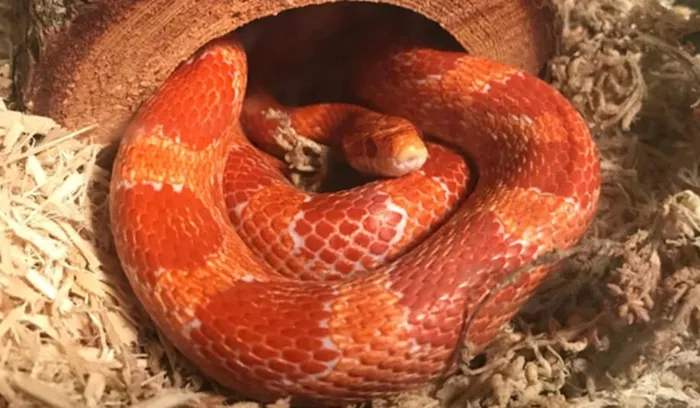
When it comes to setting up the perfect home for your corn snake, the size of the vivarium is one of the most important factors. Corn snakes, a popular pet among reptile enthusiasts, thrive in environments that mimic their natural habitats. So, what is the ideal vivarium size for these fascinating creatures? Keep reading, and let’s unravel this question together!
Understanding Corn Snake Behavior and Habitat Needs
Before we dive into the specifics of vivarium sizes, let’s get to know corn snakes a bit better. These beautiful, non-venomous snakes are native to the southeastern United States, where they slither through grasslands, forests, and agricultural fields. They are relatively small in size, especially compared to some other snake species, and they are excellent climbers and burrowers.
Just like us, corn snakes need a space where they feel safe, comfortable, and stimulated. Their natural habitat provides plenty of room for exploration, and it’s essential to replicate that in captivity. But what does “plenty of room” mean in terms of vivarium size?
Ideal Vivarium Size: The Basics
A key rule for choosing the right vivarium size is to make sure it’s big enough to allow your corn snake to move freely but not so large that it feels lost. You wouldn’t want your snake to feel like it’s in a mansion with no cozy corners to curl up in, right?
For hatchlings (0-6 months old): Corn snake hatchlings are quite small, usually around 10 to 15 inches (25 to 38 cm) in length. A vivarium of about 20 gallons (75 liters) should suffice. It’s the equivalent of a small room where they can explore, but not so big that they feel overwhelmed.
For juveniles (6 months – 1 year): As your corn snake grows, you’ll need to upgrade to a vivarium that’s at least 30 gallons (115 liters). Think of it as moving from a small apartment to a one-bedroom place. It gives them more room to roam and still feel secure.
For adults (1 year and older): Fully grown corn snakes can range from 3 to 5 feet (90 to 150 cm) in length. They need more space to stretch out and explore. A vivarium of 40 gallons (150 liters) or larger is ideal. You can think of it as moving to a bigger apartment or even a small house—ample space for them to move, climb, and hide.
Why Vivarium Size Matters
The size of the vivarium impacts not just how your snake moves around, but also its overall health and well-being. A vivarium that’s too small will stress your snake out, as it won’t be able to fulfill its natural instincts, like climbing, burrowing, and exploring. A stressed snake might refuse food, become lethargic, or exhibit aggressive behavior. On the other hand, a vivarium that’s too large can make it harder for your corn snake to find its food, warmth, and hideaways.
Think of it this way: if you were stuck in a room with nothing to do and no space to stretch your legs, you’d probably get pretty stressed too. The same applies to your snake.
The Shape of the Vivarium: Height vs. Length
While size matters, the shape of the vivarium is just as important. Corn snakes are arboreal, meaning they like to climb, but they also spend a lot of time on the ground. Therefore, both height and length are essential, but you should prioritize length over height.
Length: A vivarium should be long enough for your corn snake to stretch out fully and move around comfortably. A general guideline is that the vivarium should be at least 1.5 times the snake’s length. For example, if your corn snake is 4 feet long, the vivarium should be at least 6 feet long.
Height: While corn snakes are excellent climbers, they don’t need excessive vertical space. A vivarium with a height of 12-18 inches (30-45 cm) is usually sufficient for adult corn snakes. Too much height can lead to wasted space, and your snake might feel more exposed.
Factors to Consider When Choosing a Vivarium Size
Now that we have a general understanding of the ideal size, let’s dive into some other factors that affect your decision:
Space for Hides and Decor: Corn snakes love to have places where they can feel safe. When choosing a vivarium, think about the amount of space you need for hides, branches, rocks, and other enriching decor. Too much clutter in a small vivarium can restrict movement, while too little in a large vivarium can make your snake feel exposed.
Temperature and Humidity Control: Corn snakes need a temperature gradient in their vivarium, with one side warmer (around 80°F or 27°C) and the other cooler (around 70°F or 21°C). You’ll also need a humidity range of 40-60%. The size of the vivarium will influence how effectively you can maintain this gradient. Larger vivariums may require more equipment to control temperature and humidity evenly.
Ease of Cleaning: A larger vivarium means more cleaning and maintenance, but it also means your snake has more room to spread out and hide waste. Ensure that the vivarium you choose has easy access for regular cleaning.
Cost and Space Availability: Larger vivariums are generally more expensive, both in terms of the initial purchase and the ongoing costs of maintenance (like heating and cooling equipment). Additionally, make sure you have the physical space in your home to accommodate a larger vivarium comfortably.
Additional Tips for Setting Up a Corn Snake Vivarium
Once you’ve chosen the perfect size for your corn snake’s vivarium, you’ll want to fill it with the right elements. Here are some key items to include:
Hide Boxes: Your snake will need at least two hide boxes, one on the warm side and one on the cool side of the vivarium.
Climbing Branches: Corn snakes love to climb, so add branches or logs to give them something to explore.
Substrate: Choose a substrate that is easy to clean, such as aspen shavings or coconut husk. Avoid sandy or gravel substrates, as they can irritate your snake’s skin.
Water Dish: Provide a shallow dish for drinking and soaking. It should be large enough for your snake to curl up in, especially during shedding.
Heating and Lighting: You’ll need a heat lamp and a thermostat to maintain the right temperature gradient. A UVB light can also be beneficial, although corn snakes don’t need it as much as some other reptiles.
Conclusion
Choosing the right vivarium size for your corn snake is a crucial decision that will impact its health and happiness. Remember, size matters, but it’s about finding the right balance between room for exploration and comfort. Whether you’re setting up a home for a hatchling or an adult snake, make sure to provide enough space for them to thrive. After all, a happy snake means a happy owner!
Related topics: