
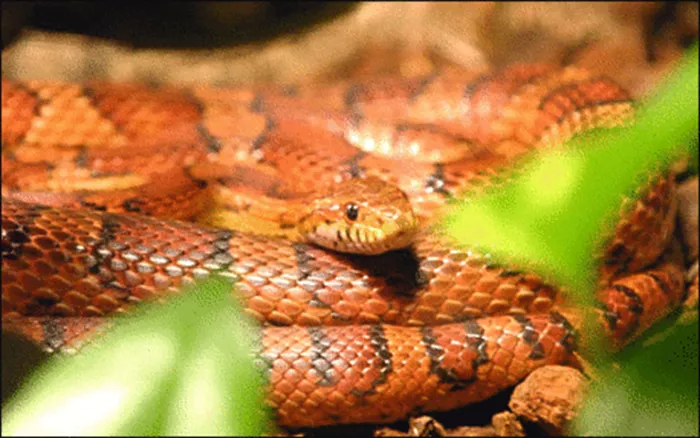
If you’re considering bringing a corn snake (Pantherophis guttatus) into your home, one of the most important questions on your mind might be, “How long will my corn snake live?” The lifespan of these beautiful reptiles can vary, but knowing what affects their longevity can help you care for them properly and ensure they live a long, healthy life.
Corn snakes are non-venomous, docile, and popular pets due to their manageable size and colorful patterns. They’re often regarded as a good choice for first-time reptile owners. But just like any pet, it’s important to understand their needs and the factors that influence their lifespan.
What Affects the Lifespan of a Corn Snake?
Just like with humans, several factors influence how long a corn snake lives. While they can live for 15 to 20 years, many variables can affect their lifespan. Let’s break down these factors to help you give your corn snake the best care possible.
1. Environment and Habitat
The environment in which your corn snake lives plays a huge role in how long they will thrive. Think of it this way: just like you feel your best when you’re comfortable at home, so does your snake! If your snake’s cage is too small, too hot, or too cold, it could affect their health and life expectancy.
Temperature: Corn snakes need a warm environment. Their habitat should have a basking spot with temperatures around 85-90°F (29-32°C) and a cooler area around 75-80°F (24-27°C).
Humidity: These snakes thrive in moderate humidity levels of around 50-60%. Too high or low humidity can cause skin shedding issues or respiratory infections.
Space: A cramped enclosure can stress your corn snake, leading to poor health and a shorter lifespan. Ensure they have enough space to move around and explore. For most adult corn snakes, a 40-gallon tank is ideal.
Providing your corn snake with an ideal habitat helps them live longer, healthier lives. So, creating the perfect “home” is more important than you might think!
2. Diet and Nutrition
Just like a well-balanced diet is essential for you, your corn snake needs proper nutrition to stay healthy. These snakes are carnivores and primarily eat rodents such as mice or rats. Here’s what to keep in mind about feeding your corn snake:
Prey Size: Choose prey that’s about the same size as the thickest part of your snake’s body. Overfeeding or underfeeding can cause obesity or malnutrition.
Feeding Frequency: Juveniles may need to be fed more frequently, while adults can be fed once a week. Offering food that is properly sized helps maintain their health and prevent digestive problems.
Hydration: Always provide fresh water. Dehydration can shorten your snake’s life, just like it would for you.
3. Health Care and Veterinary Visits
Just like people, corn snakes need regular check-ups to catch any potential issues early on. Routine health care is important, especially if you notice your corn snake acting lethargic, refusing to eat, or having difficulty shedding.
Parasites: Parasites like mites, ticks, or worms can affect your snake’s health. These should be treated by a veterinarian as soon as possible.
Shedding: If your corn snake has trouble shedding, it could be due to low humidity or dehydration. Proper care can prevent this.
Signs of Illness: Look out for abnormal behaviors such as loss of appetite, unusual breathing patterns, or visible wounds.
Preventive care and early detection of illness can add years to your corn snake’s life.
4. Genetics and Breeding
Genetics plays a big role in your snake’s longevity. Some corn snakes may be genetically predisposed to certain health issues or conditions that could affect their lifespan.
Inbreeding: If a snake is bred from closely related parents, it may have a weaker immune system, making it more susceptible to diseases or conditions that can shorten its lifespan.
Lineage: Snakes from healthy bloodlines tend to live longer, while those from poor genetics may have a shorter life expectancy.
While you can’t control genetics after purchasing your snake, buying from a reputable breeder ensures you get a healthy snake with a good chance of living a long life.
5. Handling and Stress
Corn snakes are relatively calm and tolerate handling well. However, excessive stress can negatively impact their lifespan. Stress can come from various sources such as:
Overhandling: Constant handling can stress your snake out. You should let your snake adjust to its new environment before handling and avoid excessive handling, especially when it’s shedding or eating.
Loud Noises: Like many reptiles, corn snakes can be sensitive to loud or sudden noises. Keeping their habitat in a quiet, low-stress area is essential for their well-being.
Treat your snake like you would any precious pet—with care and attention, but without overdoing it.
6. Exercise and Enrichment
Corn snakes are naturally curious creatures, and they need to explore and climb to remain mentally and physically healthy. Providing climbing structures and hiding places in their cage will allow them to express their natural behaviors.
Enrichment: Place branches, rocks, and tunnels in their enclosure. It’s like giving your snake a mini jungle gym where it can stay active and entertained.
Exercise: Giving your corn snake time out of the cage (in a safe and controlled environment) allows it to explore and move freely, which is great for its health.
An enriched environment will keep your corn snake happy and active, reducing stress and promoting a longer life.
How Long Can You Expect Your Corn Snake to Live?
Under ideal conditions, a corn snake can live anywhere from 15 to 20 years. Some individuals have even been reported to live longer, especially when raised with excellent care.
Young Corn Snakes: Corn snakes start their lives small, usually only around 12 inches at birth. As they grow older, they may reach lengths of 4 to 5 feet. The younger they are, the more susceptible they are to diseases, so proper care is crucial during their first few years.
Adult Corn Snakes: Once they reach adulthood, their care requirements stabilize, and they become hardier. Adults generally live longer, given that their environment and diet are well-maintained.
If you take the time to properly care for your corn snake, you’ll likely enjoy their companionship for many years.
Fun Facts to Make You Appreciate Your Corn Snake
Low Maintenance: Once they reach adulthood, corn snakes are relatively low-maintenance pets.
Colors and Patterns: Corn snakes come in a variety of colors and patterns, and they can even have unique, one-of-a-kind markings.
Great for Beginners: Because of their docile nature and manageable size, corn snakes are one of the best reptile pets for beginners.
Conclusion
Caring for a corn snake involves more than just feeding it. It’s about understanding what makes them tick and providing the best possible environment for them to thrive. With the right habitat, diet, and health care, your corn snake can live for many years, bringing joy and fascination to your life.
Related topics: