
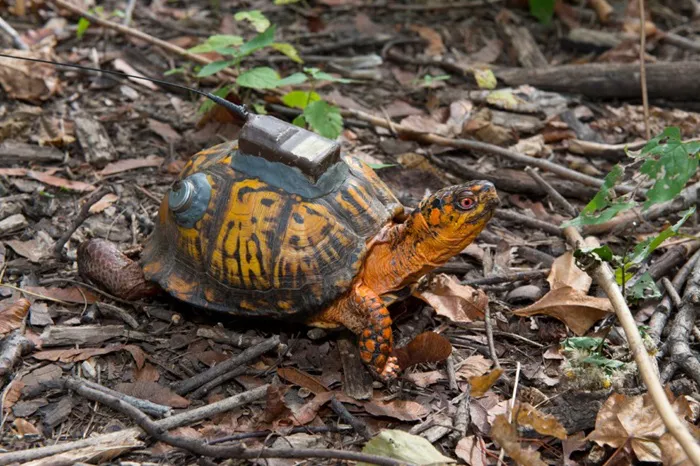
When you think about keeping a pet, the typical choices might include cats, dogs, or perhaps birds. But what about an Eastern Box Turtle? You might wonder: Can I really keep one of these fascinating creatures as a pet? The answer is yes, but it comes with a lot of important considerations.
The Eastern Box Turtle is not your average pet. With their beautiful, dome-shaped shells and calm demeanor, they can make wonderful companions. However, before you dive into the idea of adopting one, it’s important to understand the care requirements that make them different from more traditional pets. Much like keeping a hamster or a fish, being a responsible pet owner means fully understanding what your turtle needs to live a happy and healthy life.
In this article, we’ll cover everything you need to know about keeping an Eastern Box Turtle as a pet. From their diet to habitat, behavior, and the challenges they pose to novice reptile owners, we will guide you through it all. Ready to get started? Let’s unlock the secrets of this incredible turtle!
What Is an Eastern Box Turtle?
Before we talk about keeping one as a pet, let’s first explore what an Eastern Box Turtle actually is.
The Eastern Box Turtle, scientifically known as Terrapene carolina carolina, is a terrestrial turtle species native to the eastern United States. Unlike many other turtle species that spend most of their time in the water, box turtles are mostly land-dwelling. They are known for their ability to close their shell completely, a unique feature that helps protect them from predators.
This turtle’s outer shell is often covered with intricate patterns and colors, including shades of yellow and brown. As adults, Eastern Box Turtles can reach up to 7-9 inches in length, though they’re typically smaller in size.
You’ll notice that box turtles are slower-paced creatures, spending most of their time wandering through woodlands, meadows, and even urban areas (though they prefer areas with ample vegetation).
Why Do People Choose Eastern Box Turtles as Pets?
So, why would someone consider bringing an Eastern Box Turtle into their home?
Low Maintenance: Unlike dogs or cats, which require daily walks and constant attention, box turtles are relatively low-maintenance. Once you set up their environment correctly, they don’t need much interaction.
Unique and Beautiful Appearance: Their stunning, patterned shells are a real draw. Every turtle has its own unique shell design, making them visually appealing.
Longevity: Eastern Box Turtles can live a very long time—sometimes up to 50 years! This makes them a long-term companion that will stick with you for decades if you care for them properly.
However, just because they’re relatively low-maintenance doesn’t mean they’re easy to care for. In fact, they come with their own set of challenges that every potential owner should be aware of.
Do Eastern Box Turtles Make Good Pets?
The big question: Are they good pets for beginners? It depends. While they’re not as demanding as a dog, they do require a specific type of care that some new reptile owners may struggle with.
Pros of Keeping an Eastern Box Turtle
Natural Behavior: If you love observing animals in their natural habitat, a box turtle is a great pet. They move slowly, eat various plants, and have fascinating behaviors that make them intriguing to watch.
Low Risk of Allergies: Unlike furry pets, box turtles don’t shed fur, so they are a good option for people who suffer from allergies.
Quiet: They won’t bark at the doorbell or meow at 4 AM. If you’re looking for a pet that’s relatively quiet, the box turtle fits the bill.
Cons of Keeping an Eastern Box Turtle
Specialized Diet: Unlike traditional pets, box turtles require a very specific diet to stay healthy. This means you’ll need to do some homework on what to feed them.
Space Requirements: Box turtles need more space than you might expect, especially if you plan on keeping them in an outdoor enclosure. They need room to roam and explore.
Temperature Sensitivity: These turtles are sensitive to temperature changes. You’ll need to make sure they’re kept in the right environment, whether that’s indoors or outside.
What Does an Eastern Box Turtle Need in Terms of Habitat?
One of the most critical aspects of caring for an Eastern Box Turtle is providing them with the right habitat.
Indoor vs. Outdoor Habitat: Which Is Better?
Eastern Box Turtles can thrive in either indoor or outdoor habitats, but each option requires a lot of effort and proper setup.
Outdoor Habitat: If you live in a mild climate (not too hot or cold), an outdoor enclosure can be a great choice. It mimics their natural environment with plenty of space, vegetation, and natural sunlight.
However, you’ll need to ensure that the enclosure is secure to prevent your turtle from escaping. It should be large enough for them to roam and have access to both sunny and shaded areas. You’ll also need to make sure predators—like raccoons—can’t get in.
Indoor Habitat: If you live in an area where it gets too cold for outdoor enclosures, or you simply prefer an indoor setup, you’ll need a large tank or enclosure that allows the turtle to move around. A 40-gallon tank is a good starting point for one turtle. Inside, you’ll need to create a habitat with substrate (such as soil or mulch), rocks, and access to water for drinking and soaking.
Temperature and Lighting
Box turtles are cold-blooded, meaning they rely on external heat sources to regulate their body temperature. This is why maintaining the right temperature in their habitat is crucial.
Heat Source: Use a heat lamp or UVB light to maintain a basking area with temperatures between 85°F-95°F (29°C-35°C). This helps them digest food and stay healthy.
Cool Zone: Make sure there’s a cooler area in the enclosure with temperatures between 70°F-75°F (21°C-24°C). This provides a temperature gradient that lets them move between warmer and cooler areas.
What Do Eastern Box Turtles Eat?
Eastern Box Turtles are omnivores, which means they eat both plants and animals. Their diet should be varied and include the following:
Leafy Greens: Kale, collard greens, and dandelion greens are great options.
Fruits: Offer fruits like berries, apples, and melons (but avoid citrus, as it can upset their stomachs).
Protein: They also enjoy insects like earthworms, crickets, and snails. Small pieces of cooked chicken or fish can also be provided.
Calcium: Since turtles need calcium for their shells and bones, offering calcium supplements or cuttlebone is a good idea.
Feeding Tips
Variety: Make sure to offer a mix of plant-based foods and animal protein to keep your turtle healthy.
Hydration: Always provide access to fresh water, and make sure they have a shallow dish they can soak in.
Health and Care Considerations
Keeping your Eastern Box Turtle healthy is key to ensuring it has a long and happy life. Regular check-ups from a reptile vet, proper diet, and an optimal habitat are all part of the equation.
Shell Health: A healthy shell is essential. If you notice any cracks, discoloration, or abnormalities, consult a vet right away.
Parasites: Box turtles can sometimes carry parasites. If you notice signs of illness (like lethargy, loss of appetite, or abnormal behavior), take your turtle to the vet for a check-up.
Is an Eastern Box Turtle Right for You?
So, can you keep an Eastern Box Turtle as a pet? The answer depends on your ability to meet their unique needs. While they are fascinating creatures, they require a commitment of time, energy, and resources. If you’re willing to put in the work, an Eastern Box Turtle can make a rewarding companion for many years.
Related topics: