
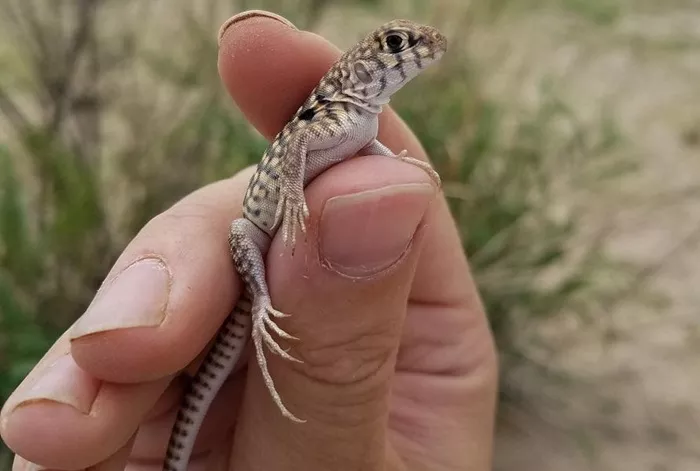
You’ve probably seen an iguana lounging under the sun, basking in the warmth. But when it comes to the desert iguana, there’s more to this reptile than just sunbathing. The real question is: is the desert iguana endangered? While they are iconic creatures in the dry, sandy landscapes of the southwestern United States, their future might not be as secure as you might think.
In this article, we’ll delve deep into the current status of the desert iguana, Dipsosaurus dorsalis, and explore whether it faces significant threats to its survival. You’ll discover the challenges this resilient reptile encounters in its native environment and learn what conservation efforts are being made to protect it.
What Makes the Desert Iguana Special?
Before we dive into the conservation issues, let’s take a moment to appreciate why the desert iguana is so fascinating. Imagine a creature perfectly adapted to the harsh desert life. The desert iguana is built to thrive in extreme temperatures, often basking in the scorching heat of the Sonoran and Mojave Deserts, two of the most intense deserts in North America. These lizards are so well-equipped for desert life that they’re one of the few reptiles that can remain active even when temperatures hit 40°C (104°F).
Their survival skills are nothing short of amazing. They can dig burrows under the creosote bush, seek shelter in the hot midday sun, and survive on a diet that consists mostly of plant material, like flowers and leaves from the creosote plant. But despite their natural adaptations, desert iguanas face modern challenges that threaten their populations.
Understanding the Desert Iguana’s Habitat
Desert iguanas are found in the southwestern United States and parts of northern Mexico. These reptiles prefer sandy, open deserts with sparse vegetation, particularly around the creosote bush—a plant that serves as both food and shelter. They are highly specialized for life in areas with extreme temperature fluctuations, from searing heat during the day to cooler nights.
However, as human activities expand into these desert regions, the iguana’s natural habitat is shrinking. Urban development, agriculture, and even tourism are gradually taking over their land, causing habitat fragmentation. When their habitats become fragmented, it becomes harder for them to find food, shelter, and mates, leading to a decline in their population.
The Desert Iguana’s Adaptability: An Advantage or a Disadvantage?
While these reptiles are excellent at adapting to extreme heat and arid conditions, they aren’t immune to the effects of climate change. Rising temperatures, longer droughts, and unpredictable weather patterns can significantly alter the environment that desert iguanas rely on.
Imagine being used to an environment where the temperature is always predictable, and suddenly, it’s hotter than ever, and you can’t find the same food or shelter anymore. This is the reality many desert iguanas may face as the climate changes. Warmer temperatures could push the iguanas out of their comfortable temperature range, making it harder for them to survive.
Are Desert Iguanas Endangered? The Current Status
The desert iguana is not listed as critically endangered or threatened on global conservation lists like the International Union for Conservation of Nature (IUCN). However, it is important to recognize that being “not endangered” doesn’t necessarily mean a species is out of danger. Many species can be at risk without having an official status.
In fact, desert iguanas are experiencing some population declines, primarily due to habitat loss, predation, and climate change. In some parts of their range, especially near urbanized areas, they face constant threats from human development. Desertification, which is the spread of desert-like conditions into previously fertile areas, is also a major concern.
But why does this matter? If the desert iguana population continues to decrease at a rapid rate, it could eventually reach a point where their survival is uncertain, even if they aren’t officially classified as endangered.
Threats to the Desert Iguana’s Survival
Habitat Loss and Fragmentation
The primary threat to the desert iguana is habitat loss. As more land is developed for agriculture, mining, and urbanization, the iguana’s natural environment is destroyed. This disrupts their ability to find food, shelter, and breeding sites. When their habitat becomes fragmented, it’s like breaking up a giant puzzle into small pieces. The iguanas can still survive in these pieces, but it becomes much harder for them to connect with others and thrive as a species.
Climate Change
Climate change poses a significant threat to the desert iguana. As global temperatures rise, deserts are becoming hotter and drier. This puts the iguanas at risk, as they are adapted to a specific temperature range. If it gets too hot or too cold, they may not be able to survive. For example, they may find it difficult to find food or shelter during extreme heatwaves, or they may be forced to migrate to cooler areas, which might not be possible if their habitat is fragmented.
Predation and Invasive Species
Predators such as snakes, birds of prey, and mammals like foxes pose a natural threat to desert iguanas. However, the real problem arises when invasive species are introduced into their habitat. Non-native predators, like domestic cats and dogs, can significantly affect the desert iguana population by preying on eggs and juvenile iguanas. These predators often don’t have natural enemies in the desert, which allows them to thrive and pose a serious threat to native wildlife.
Human Impact: Roadways and Tourism
You may not think of roads and highways as a major issue for desert creatures, but they are. As development encroaches on desert areas, roads and vehicles disrupt the iguana’s ability to move freely. They might get hit by cars or become isolated in pockets of their former habitat. Even activities like off-road vehicle use can disturb their habitat, causing stress and displacement.
Conservation Efforts: Can We Save the Desert Iguana?
Although the desert iguana is not officially endangered, it is still important to take conservation efforts seriously. Several organizations and wildlife management programs are working to protect desert habitats and raise awareness about the iguana’s plight.
Protected Areas and Habitat Restoration
One of the most effective ways to conserve the desert iguana is by establishing protected areas where development is limited. These areas can ensure that iguanas have access to their natural habitats without the interference of human activities. In addition to protection, efforts are being made to restore desert habitats that have been damaged by development and climate change. This involves replanting native vegetation, reducing human impact, and even creating wildlife corridors to help iguanas move safely between fragmented habitats.
Captive Breeding Programs
Captive breeding programs can also play an essential role in saving the desert iguana. These programs focus on breeding iguanas in captivity and then releasing them into protected habitats. This helps strengthen the wild population and ensures genetic diversity, which is essential for the long-term survival of any species.
Public Awareness and Education
Raising public awareness about the desert iguana is another vital step. By educating the public about the importance of preserving desert ecosystems and protecting native wildlife, we can encourage more sustainable practices and reduce the negative impact humans have on these environments.
Conclusion
So, is the desert iguana endangered? While they aren’t officially classified as endangered, the desert iguana does face significant threats, including habitat loss, climate change, and predation from invasive species. Their future depends on the efforts of conservation programs and the awareness of the public. If we continue to take action and protect these fascinating creatures, there is hope for their survival.
Related topics: