
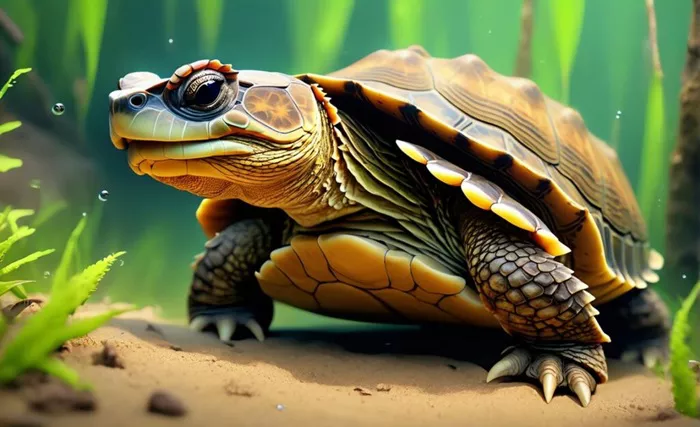
Snapping turtles are often the subject of curiosity, especially when it comes to their eating habits. One question that frequently arises is: do snapping turtles eat fish? To answer this, we need to dive into the world of these incredible reptiles and examine their natural behaviors, diet, and hunting techniques. In this article, we will explore everything you need to know about snapping turtles’ food choices, including whether or not fish is a regular part of their diet. Let’s uncover the mystery together!
What Are Snapping Turtles?
Before we answer the big question, let’s take a closer look at snapping turtles. These fascinating reptiles are known for their powerful jaws and aggressive behavior. They belong to the family Chelydridae, and there are two primary species: the common snapping turtle (Chelydra serpentina) and the alligator snapping turtle (Macrochelys temminckii). Both species are freshwater turtles, often found in rivers, lakes, and ponds across North America.
Snapping turtles are omnivores, meaning they eat both plant and animal matter. However, their diet is far from ordinary, and their hunting methods are quite unique. They can remain still for long periods, waiting for prey to come close enough to strike. With their sharp beaks, they are capable of capturing and consuming a wide range of animals.
The Snapping Turtle Diet: What Do They Eat?
To understand if fish is a regular part of their diet, let’s first look at the different types of food that snapping turtles typically consume.
1. Aquatic Invertebrates
Snapping turtles are opportunistic feeders, meaning they eat whatever they can find in their environment. Aquatic invertebrates, such as worms, snails, and insects, are a common part of their diet. These creatures are relatively easy for snapping turtles to catch, especially since they spend so much time in the water.
2. Amphibians and Small Reptiles
In addition to invertebrates, snapping turtles will also hunt amphibians like frogs, salamanders, and newts. They may even catch small reptiles such as snakes and lizards. The snapping turtle’s ability to move quickly when needed helps them snatch these creatures when they get too close.
3. Birds and Mammals
While not a primary food source, snapping turtles have been known to eat small birds and mammals, particularly if they are vulnerable or already dead. They are not picky eaters and will consume almost anything that comes their way, even if it means scavenging.
4. Vegetation
Although they are predominantly carnivorous, snapping turtles do eat some plant matter. Aquatic plants like algae, water lilies, and duckweed are common snacks for them, especially when animal prey is scarce. They are known to nibble on these plants as they move through the water.
Do Snapping Turtles Eat Fish?
Now, let’s get to the heart of the matter. Do snapping turtles eat fish? The short answer is yes. Fish is a regular part of a snapping turtle’s diet, especially in areas where fish are abundant. Snapping turtles are well-equipped to hunt fish, using their stealth and powerful jaws to capture them.
These turtles are not the fastest swimmers, but they are patient hunters. They often wait for fish to swim within striking distance and then use their powerful bite to grab and consume them. The fish they catch can range from small minnows to larger species, depending on the size of the turtle.
1. Hunting Techniques
Snapping turtles are ambush predators. They will often bury themselves in the mud or remain still, waiting for unsuspecting fish to swim by. They use their long necks and sharp jaws to snap at the fish quickly. Once they grab hold of their prey, they use their strong jaws to tear apart the fish.
2. Types of Fish Eaten
Snapping turtles will consume a variety of fish species, from small minnows to larger game fish. Some of the fish that snapping turtles commonly eat include:
Goldfish: Often found in ponds, goldfish are an easy target for snapping turtles.
Bass: Snapping turtles are capable of capturing larger fish, like bass, especially if the fish are sluggish or caught off guard.
Catfish: The strong jaws of snapping turtles make it easy for them to catch and eat bottom-dwelling fish like catfish.
Trout: While not always common, snapping turtles can also capture fish like trout when they are swimming in shallow waters.
3. Scavenging for Fish
In addition to actively hunting fish, snapping turtles are opportunistic scavengers. They will scavenge for fish that are already dead or injured, floating on the water’s surface or resting near the bottom. If the opportunity arises, they won’t hesitate to snatch up a decaying fish.
The Role of Fish in a Snapping Turtle’s Diet
Fish provide an essential source of protein for snapping turtles. As cold-blooded animals, snapping turtles require a protein-rich diet to maintain their energy levels. While they do eat a variety of other animals, fish are a highly nutritious option, offering a good balance of proteins and fats that are necessary for their survival.
1. Nutritional Benefits of Fish
Fish are rich in omega-3 fatty acids, which are crucial for the health of snapping turtles. These fatty acids support their immune system, improve brain function, and help in the development of healthy eggs. Additionally, fish contain essential vitamins and minerals, such as calcium and vitamin D, which help support their bones and shells.
2. Fish as a Primary Source of Food
In certain habitats, especially those with abundant fish populations, snapping turtles may rely more heavily on fish than other types of prey. This is especially true in areas where aquatic plants and other animals are less available. For instance, in large rivers or lakes with thriving fish populations, a snapping turtle may spend a significant amount of time hunting fish.
The Impact of Habitat on Snapping Turtle Diet
The availability of fish in a snapping turtle’s habitat plays a major role in determining how much fish they consume. In areas where fish are abundant, snapping turtles are more likely to hunt fish regularly. However, in habitats where fish are less common, they will turn to other sources of food, such as amphibians, invertebrates, and plants.
Snapping turtles are highly adaptable creatures, able to adjust their diet based on the availability of food in their environment. This adaptability allows them to thrive in a wide range of habitats, from murky ponds to clear rivers.
Conclusion
In conclusion, yes, snapping turtles do eat fish. Fish make up a significant portion of their diet, providing important nutrients that help support their overall health. Snapping turtles are opportunistic hunters and scavengers, capable of capturing and consuming a wide variety of fish species. Whether they are ambushing a fish in the wild or scavenging for a dead one, snapping turtles are skilled at making the most of their environment.
If you’re ever near a body of water and spot a snapping turtle, there’s a good chance it might be lurking in the shadows, waiting for its next meal. And, if that meal happens to be a fish, it’s just another amazing display of the snapping turtle’s hunting prowess!
Related topics: