
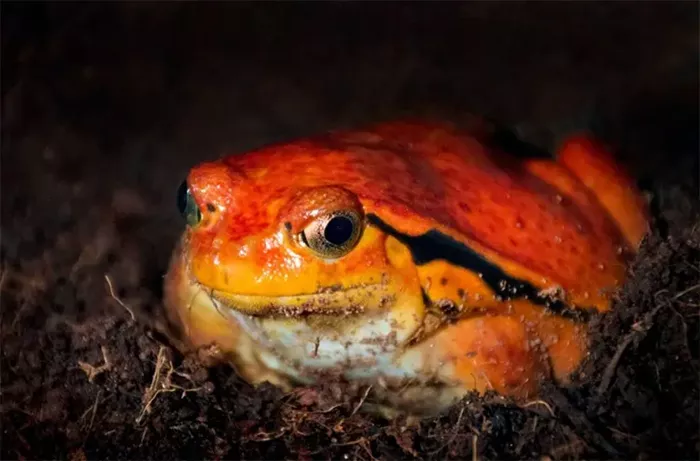
Tomato frogs, known for their vivid colors and unique behaviors, have become increasingly popular pets among amphibian enthusiasts. However, like all pets, they can develop health issues. If you’re a new owner or just interested in understanding more about your tomato frog, it’s crucial to know what diseases or illnesses can affect them. Taking proactive steps can prevent serious health problems and ensure your tomato frog remains healthy and vibrant for years.
In this article, we’ll dive deep into common tomato frog illnesses, what causes them, how you can spot them, and what you can do to treat or prevent these diseases. Don’t worry if you’re new to reptile care—we’ll explain everything in simple terms and provide helpful tips that are easy to follow. Let’s get started!
What Makes Tomato Frogs Prone to Illness?
Tomato frogs, native to Madagascar, are not just cute but also hardy creatures. However, they still have unique needs that, if not properly met, can lead to illness. The most common issues they face are related to environmental conditions, diet, and sometimes genetics. Understanding how these factors play a role in your frog’s health can help you take the best care of them.
Environmental Factors: Your Frog’s Habitat
Tomato frogs are sensitive to their environment, which means that if their habitat is too hot, too cold, too dry, or too humid, it can make them sick. These frogs are from humid tropical rainforests, and they thrive in an environment that mirrors that.
Mistakes in humidity or temperature can lead to respiratory infections, skin problems, or even organ failure. For example, imagine living in a room that is either too hot or too cold for you—it would make you feel uncomfortable, right? That’s how your frog feels when the temperature is wrong for them.
Diet: The Right Food for a Healthy Frog
Tomato frogs are insectivores, meaning they eat small insects such as crickets, worms, and beetles. A poor diet can weaken their immune system, making them more prone to infections or parasites. Think of it like this: If you were only eating junk food all the time, your body wouldn’t be able to fight off diseases as easily.
Also, feeding them untreated insects, such as ones you catch in the wild, can introduce harmful bacteria or parasites that could cause illness.
Common Illnesses in Tomato Frogs
Now that we’ve looked at the factors that contribute to tomato frog health, let’s explore some of the most common illnesses that affect these amphibians.
See Also: Why Are Tomato Frogs Called Tomato Frogs? Funny truth
1. Chytridiomycosis: The Deadly Fungus
One of the most notorious diseases among amphibians, including tomato frogs, is chytridiomycosis. This disease is caused by a fungus known as Batrachochytrium dendrobatidis. It attacks the skin of the frog, and because amphibians absorb water and oxygen through their skin, this disease can be fatal if not treated.
Symptoms to Watch For:
Lethargy: Your frog may seem unusually slow or inactive.
Skin shedding: The skin may appear sloughed off, a common sign of fungal infection.
Swelling: The frog’s body may swell, making them look bloated.
Discoloration: The usual vibrant colors of a tomato frog can fade.
What You Can Do: Chytridiomycosis is tricky because it spreads through contaminated water. Maintaining a clean, controlled environment is crucial. Avoid mixing frogs from different sources, and make sure any water used in the enclosure is treated and free of contaminants.
2. Respiratory Infections: Trouble Breathing
Respiratory infections are another common issue, especially when your frog’s environment isn’t kept at the right temperature or humidity. A poorly maintained tank can result in bacterial or viral infections that affect your frog’s ability to breathe.
Symptoms:
Gasping or open-mouth breathing: If your frog is struggling to breathe, it’s a clear sign of a respiratory infection.
Mucus around the nostrils: You may notice a buildup of mucus near the frog’s nose.
Excessive lethargy: In severe cases, your frog might become extremely weak or unresponsive.
What You Can Do: Ensuring proper humidity levels (between 65% and 80%) and maintaining a consistent temperature of 65°F to 85°F will help your frog stay healthy. Also, clean the tank regularly to avoid bacteria buildup.
3. Parasites: Hidden Invaders
Parasites, such as intestinal worms or protozoans, can affect tomato frogs if they ingest contaminated food or water. Worm infestations can make your frog’s digestive system sluggish, causing weight loss and lethargy. Protozoan infections can affect the frog’s overall health and cause digestive issues.
Symptoms:
Diarrhea or abnormal feces: If your frog’s poop looks unusual, it could be a sign of a parasitic infection.
Weight loss: Despite eating regularly, your frog may lose weight.
Bloated appearance: Swelling can occur if the parasites affect the digestive system.
What You Can Do: Always feed your tomato frog commercially raised insects that are properly treated to reduce the risk of parasitic infection. If you notice any symptoms, a trip to the vet will be necessary to get the right treatment.
4. Metabolic Bone Disease (MBD): Weak Bones
Metabolic bone disease (MBD) is a serious condition that primarily affects reptiles but can also affect amphibians, including tomato frogs. It is caused by a calcium deficiency in the frog’s diet. Without enough calcium, the frog’s bones become weak and fragile.
Symptoms:
Bending limbs: If your frog’s limbs seem to be crooked or bent at odd angles, this could be a sign of MBD.
Limpness: A frog with MBD may appear unusually weak or unable to move its limbs properly.
Swelling: Swelling of the limbs, especially around joints, can indicate that calcium levels are dangerously low.
What You Can Do: To prevent MBD, dust your frog’s food with a calcium supplement. Regularly feeding your frog vitamin-enriched insects will ensure they’re getting the right nutrients.
5. Skin Infections: Not Just a Red Color
While tomato frogs are known for their bright colors, these vibrant hues can sometimes mask the early signs of skin infections. Bacterial or fungal infections can develop when a frog’s skin is damaged or when the environment is too wet and dirty.
Symptoms:
Red, inflamed patches on the skin: The skin may become irritated or infected, leading to redness.
Excessive shedding: Abnormal shedding can indicate a fungal infection.
Discharge from the skin: Pus or fluid oozing from wounds or abrasions.
What You Can Do: Keep the tank clean, and avoid overcrowding. If your frog shows signs of infection, consult a vet who can recommend the appropriate treatment, such as topical antifungal creams or antibiotics.
How to Prevent Illness in Tomato Frogs
Now that we’ve covered some of the most common illnesses tomato frogs face, it’s time to talk about prevention. You may not be able to eliminate all risks, but there are several steps you can take to minimize the chances of your frog falling ill:
Create a proper habitat: Ensure your frog’s enclosure is the right size and provides enough hiding spots. Make sure it’s humidity-controlled, with plenty of room for digging, and has clean water.
Maintain good hygiene: Regularly clean the enclosure, and provide fresh, dechlorinated water at all times. This will reduce the risk of bacterial and fungal infections.
Feed them right: Offer a balanced diet with nutritious insects and calcium supplements. Avoid feeding wild-caught insects unless they’ve been properly treated.
Monitor health regularly: Check your frog’s skin and behavior frequently to catch early signs of illness.
Conclusion
Taking care of a tomato frog requires attention to detail and commitment. If you provide them with the right environment, diet, and care, these amphibians can live long, healthy lives. However, like all pets, tomato frogs are susceptible to diseases, and it’s important to stay vigilant and knowledgeable. Understanding the common illnesses they face and knowing how to prevent them will help you keep your frog happy and healthy.
By paying attention to their needs, you’ll unlock the full potential of your tomato frog’s care. Your frog’s health is in your hands—don’t wait until it’s too late to act.
Related topics: