
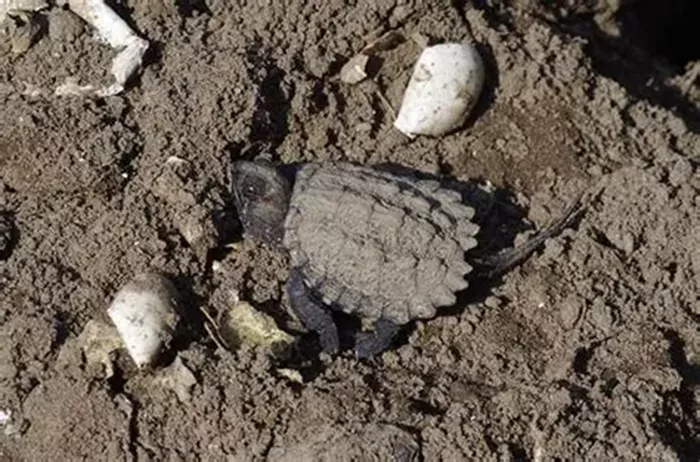
Have you ever spotted a tiny turtle crossing a road in late summer and wondered, “Where did that come from?” If so, you might have just witnessed a newborn snapping turtle on its first big adventure. Snapping turtles are fascinating reptiles, known for their prehistoric looks and no-nonsense attitude. But when exactly do snapping turtles hatch? The answer is more captivating—and more important—than you might expect.
In this article, we’ll walk you through the entire hatching timeline of snapping turtles, breaking down complex biological terms into bite-sized, beginner-friendly insights. You’ll not only learn when these tough little reptiles emerge from their eggs, but also why their timing matters for their survival. Whether you’re a student, a curious nature lover, or even a budding reptile enthusiast, this guide is for you.
What Is a Snapping Turtle? Let’s Meet the Star of the Show
Before we dive into hatching schedules, it helps to know what we’re talking about. Snapping turtles are large, freshwater reptiles known for their powerful jaws and rugged appearance. They’ve been around since the age of dinosaurs—and yes, they do look a bit like mini-dinosaurs!
There are two main species:
Common snapping turtle (Chelydra serpentina) – Found across North America
Alligator snapping turtle (Macrochelys temminckii) – Mostly in the southeastern U.S.
These turtles are famous for their strong bite (seriously, don’t test it!) and their ability to survive in murky ponds, lakes, rivers, and even roadside ditches. They’re not aggressive unless provoked, but they’ll stand their ground like seasoned warriors.
So why should you care when they hatch? Because this moment decides their survival. Just like a baby chick breaking free from an egg, timing is everything.
Understanding the Snapping Turtle Life Cycle
To figure out when snapping turtles hatch, we need to look at the bigger picture—their entire life cycle. It all begins in spring.
1. Mating Season: The Start of the Countdown
Snapping turtles mate in spring, usually from April to May. This is when water temperatures warm up, and turtles become active again after winter hibernation. Think of it as nature’s alarm clock ringing after a long nap.
During this time, male turtles will search for females, often engaging in short but intense courtship behavior. Unlike birds that might sing sweet songs, snapping turtle romance is… let’s just say, not exactly gentle.
2. Nesting Season: Laying the Eggs
Once fertilization occurs, female snapping turtles travel to dry land—sometimes several hundred meters from water—to lay their eggs. This typically happens in late May through early July, depending on location and climate.
Here’s where things get really interesting:
- Females dig a shallow nest in sandy or loose soil, usually during evening hours
- Each nest may contain 20 to 40 eggs, although some nests hold up to 80
- The eggs look like ping-pong balls—round, white, and leathery
One turtle owner in Georgia recalled seeing a female dig a nest near her garden and guard the area for a few hours before vanishing into the woods. “It felt like witnessing something sacred,” she said.
3. Incubation: Waiting for the Big Day
After the eggs are laid, they stay buried for 70 to 90 days. That’s a little over two to three months. This period is called incubation, and the temperature of the nest actually plays a role in determining the sex of the hatchlings—just like in many reptiles.
- Warmer nests tend to produce more females
- Cooler nests lead to more males
Imagine that! It’s like nature’s thermostat is controlling their gender. This biological trick is called temperature-dependent sex determination.
Let’s put it in simpler terms: if you leave your cookies in a warm oven, they bake faster. With turtle eggs, the “oven” temperature influences more than just timing—it decides if you’ll get a brother or a sister.
When Do Snapping Turtles Hatch?
So here’s the golden question: When do snapping turtles hatch?
Most snapping turtles hatch between late August and early October, depending on:
Geographic location
Local weather
Nesting time
In northern states like Michigan or New York, you’re more likely to see hatchlings in late August or early September. In southern states like Florida or Louisiana, some might hatch as late as October.
Why This Timing Is So Crucial
Hatching in late summer or early fall helps the babies avoid extreme heat and some of their natural predators. It also ensures they emerge when conditions are right for their tiny bodies:
Enough moisture to keep them hydrated
Lower temperatures to prevent overheating
Plenty of insects and small invertebrates to snack on
See Also: How Long Do Snapping Turtle Eggs Take? Find out
Plus, most predators (like raccoons and foxes) are less active during cooler months, which increases their chance of survival.
One wildlife photographer in Ohio captured a stunning moment when dozens of baby snapping turtles emerged from the soil all at once—it looked like the ground itself was moving.
How Do Baby Snapping Turtles Hatch? A Closer Look
Here’s how the hatching magic happens:
- The eggs begin to crack open—this is called “pipping”
- The baby turtle uses a small, temporary tooth called an “egg tooth” to break the shell
- It wriggles out, often taking several hours to fully emerge
- They crawl upward, pushing through layers of soil to reach the surface
- Once above ground, they head straight for water
This journey is risky. Many never make it. But those who do? They’ve already survived one of the toughest battles in nature.
To make this clearer: imagine being buried under a sandbox and having to dig yourself out—without a shovel—while dodging danger above. That’s what a baby snapping turtle goes through.
Why Some Hatchlings Stay Underground Until Spring
Here’s something that surprises even seasoned reptile fans: in colder climates, some snapping turtle hatchlings don’t emerge until the following spring.
Yes, you read that right.
They hatch underground in the fall and remain in the nest through winter, surviving freezing temperatures by slowing their metabolism. Think of it as a reptilian version of hibernation.
This strategy helps them avoid harsh surface conditions and predator exposure. It’s like hiding out during a storm—smart and safe.
What Factors Affect Hatching Time?
Let’s talk about what can change the hatching schedule. Not all turtles follow the same calendar.
1. Temperature
This is the #1 influencer. Warmer nests hatch sooner. Cooler nests take longer.
2. Rainfall and Moisture
Too little moisture? Eggs dry out. Too much? The nest could flood. Both scenarios can delay or prevent hatching.
3. Nest Location
Shaded nests take longer to warm up. Sunny spots might hatch early. Urban settings can also mess with natural timing due to heat from pavement or pollution.
4. Human Disturbance
Sadly, nests near roads or construction zones may get destroyed or disturbed, affecting the hatch rate or triggering premature hatching.
In one documented case in Illinois, conservationists rescued 23 snapping turtle eggs from a construction site and successfully incubated them in a lab, releasing the hatchlings into a nearby wetland.
How to Spot Hatchlings in the Wild
If you’re out exploring in late summer or early fall, keep your eyes peeled for baby turtles. Here’s what to look for:
- Tiny, dark gray or olive-green turtles about the size of a silver dollar
- Found on paths, trails, or near water
- Often seen moving in groups
But don’t be tempted to take them home. Wild snapping turtles belong in the wild. If you see one in danger (like crossing a road), you can help it move in the direction it’s heading—but always be careful and never pick it up by the tail.
How You Can Help Snapping Turtles
Here’s the feel-good part. You can make a big difference.
- Avoid driving through flooded or marshy roads during hatching season
- Don’t disturb nesting females—they’re easily spooked
- Support wetland conservation efforts
- Educate others about the importance of reptiles in ecosystems
These prehistoric creatures have been around for millions of years, but they still need our help to survive modern threats.
Conclusion
Snapping turtles might not win any beauty contests, but they are tough, resourceful, and downright awesome. Knowing when they hatch—and why it matters—can help us better understand and protect them.
The next time you see one of these little warriors making its way to a pond, remember: that baby turtle has already beaten the odds. And thanks to articles like this one, so have you—because now you know a lot more than most people about these amazing reptiles.
Related topics: