
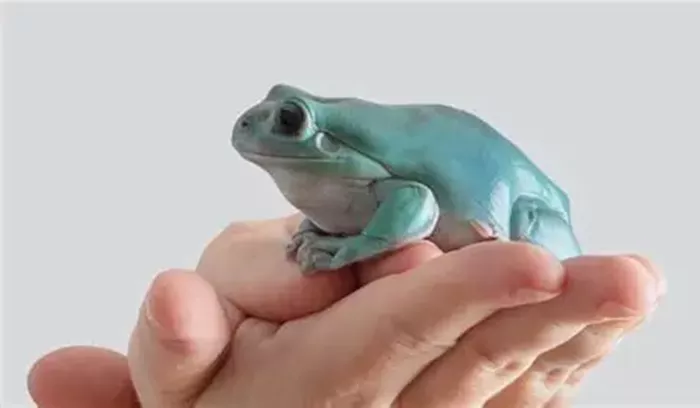
When you think of a white tree frog (Litoria caerulea), it’s easy to imagine a small, colorful amphibian sitting quietly on a leafy branch in a tropical rainforest. These frogs, known for their vibrant green color and large, endearing eyes, are a popular pet for reptile and amphibian enthusiasts. But have you ever wondered what other creatures can live harmoniously with them in the same tank or vivarium?
In this article, we’ll explore the best tankmates for your white tree frog, focusing on what makes these creatures compatible and how you can create an ideal environment for all of them to thrive. Whether you’re a beginner or an experienced herpetologist, this guide will help you make informed decisions on what species can co-exist with your white tree frog. So, let’s jump in!
Why Choosing the Right Tankmate Matters
You might be tempted to add any colorful or interesting amphibian or reptile to your white tree frog’s enclosure, but not all species are suitable companions. This is because white tree frogs are semi-arboreal creatures, meaning they spend a significant amount of time in trees and on branches. They are also relatively docile, which is great for tankmates, but they can be sensitive to environmental changes and aggression from other species.
Choosing the right tankmate ensures that all creatures in the enclosure thrive without stressing each other out. Let’s explore the characteristics of white tree frogs to better understand the species that can live with them.
Key Characteristics of White Tree Frogs
Before considering tankmates, it’s essential to understand the needs of your white tree frog.
Size: Adult white tree frogs typically grow to around 4 to 5 inches in length. This size means that smaller frogs or invertebrates are more likely to become prey.
Temperament: These frogs are peaceful by nature. They’re not aggressive and don’t usually hunt or challenge other creatures in their environment.
Diet: White tree frogs eat insects like crickets, moths, and worms. While they don’t hunt in groups, they do have strong hunting instincts.
Habitat: They require a humid, well-vegetated environment with access to climbing surfaces like branches and plants. This mimicry of their natural rainforest habitat is essential for their well-being.
Now that we know more about their behavior and needs, we can start discussing what species are compatible with them.
See Also: White Tree Frog Care: How Often Should You Clean the Tank?
Best Tankmates for White Tree Frogs
1. Other Tree Frogs
You may be wondering if other frogs can live with your white tree frog. The answer is yes, but with caution. Frogs of similar size and temperament are often the best choices. For example:
Red Eyed Tree Frogs: These frogs share similar habitat preferences with white tree frogs, as they both thrive in a humid, arboreal environment. They also have similar dietary needs, which can make them compatible tankmates. However, they do require careful observation to ensure that no aggressive behavior or stress occurs.
Amazon Milk Frogs: These frogs also thrive in humid, tropical environments and are relatively calm. Their similar size and peaceful nature make them suitable companions. But remember, just like the red-eyed tree frog, they must be closely monitored to prevent any territorial behavior.
Pro Tip: When adding more frogs to your tank, ensure they have enough space to prevent overcrowding, which can lead to stress, disease, or even predation.
2. Small Non-Aggressive Lizards
Certain species of small, non-aggressive lizards can live harmoniously with white tree frogs. Here are a couple of examples:
Leopard Geckos: These reptiles are terrestrial rather than arboreal, meaning they won’t compete for the same space as your frog. As long as they are fed appropriately, they tend to keep to themselves. The only consideration is their need for a warmer environment compared to the white tree frog’s cooler, more humid habitat.
Crested Geckos: These geckos are relatively docile and thrive in similar conditions as white tree frogs—humid, warm environments with plenty of foliage. They are primarily nocturnal, which works well for the frogs since they are also active at night.
Remember, space is crucial. If your vivarium is too small, these lizards could become stressed, which might affect both their health and the health of your white tree frog.
3. Invertebrates: The Silent Tankmates
Invertebrates can be excellent tankmates because they don’t compete for space or food. Some great options include:
Snails: These slow-moving creatures make perfect companions for white tree frogs. They don’t pose a threat to the frog and help keep the tank clean by eating algae and detritus.
Isopods (Woodlice): These tiny crustaceans help maintain the cleanliness of the tank by eating decaying plant matter and leftover food. They’re harmless to frogs and are often used as cleanup crew in terrariums.
Springtails: These are another fantastic addition for the same reasons as isopods. Springtails feed on mold and fungi, which helps maintain a clean environment for your frog and any other inhabitants.
Invertebrates are fantastic because they won’t compete with your frog for food, but it’s important to ensure that the tank remains clean to prevent any harmful build-up of waste.
4. Shrimp and Fish (If You Have a Water Feature)
While not all fish or shrimp species are suitable tankmates for white tree frogs, there are a few options that can live alongside them, especially if your tank includes a water feature or shallow water area.
Freshwater Shrimp: Species like cherry shrimp or ghost shrimp are small enough that they won’t be a threat to your frog. These shrimp can help clean up leftover food and detritus in the tank.
Small Fish: Small, peaceful fish like neon tetras or guppies can sometimes coexist with white tree frogs, but this depends on how much water your tank has and whether your frog has easy access to the aquatic area. Always choose non-aggressive fish that won’t startle or harm your frog.
Pro Tip: Be mindful of the water temperature and ensure it is within a range that’s comfortable for all the species in your tank. White tree frogs prefer water temperatures between 70°F and 75°F (21°C to 24°C).
What Not to Keep with White Tree Frogs
While it’s great to know what tankmates are suitable, it’s just as important to understand what creatures should not be housed with your white tree frog. These include:
Large or Aggressive Species: Avoid adding large frogs or aggressive reptiles like large snakes, because they can harm or eat your white tree frog.
Species with Different Environmental Needs: Any species that requires a drastically different environment (temperature, humidity, etc.) is a poor choice. For example, desert-dwelling creatures like bearded dragons wouldn’t be suitable due to their need for a dry, hot environment.
Venomous or Toxic Species: While white tree frogs are not particularly vulnerable to venom, it’s best to avoid housing them with any venomous or toxic animals.
How to Create a Harmonious Habitat
Creating a peaceful, thriving community requires attention to detail. Here are a few tips to help:
Space: Ensure your tank is large enough to accommodate all species comfortably. A good rule of thumb is at least a 20-gallon tank for a single white tree frog, with extra space for any tankmates.
Temperature and Humidity: Maintain the right humidity levels (around 60-80%) and temperature (75-85°F). Use a good thermometer and hygrometer to monitor these conditions regularly.
Plants and Hiding Spots: Provide plenty of foliage, climbing branches, and hiding spots for all your creatures. This will help reduce stress and provide each animal with a safe space.
Conclusion
Choosing the right tankmates for your white tree frog can be a fun and rewarding experience, but it requires some research and attention to detail. When done right, you can create a beautiful, harmonious vivarium where all the creatures live in peace. Whether you opt for another tree frog, a small lizard, or invertebrates, make sure to carefully monitor their behavior and environment to ensure a happy and healthy tank for everyone.
Related topics: