
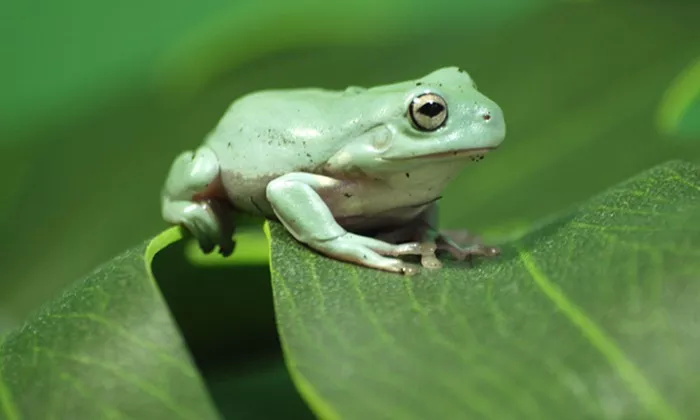
White’s Tree Frog (Litoria caerulea), also known as the Dumpy Tree Frog, is a beloved pet for many amphibian enthusiasts. These frogs are not only popular due to their calm demeanor and striking appearance but also for their relatively easy care requirements compared to other exotic pets. However, like all living creatures, they are susceptible to various health issues, including infections.
But what exactly is White’s Tree Frog infection, and how does it affect your pet? If you’re a frog owner or are thinking about getting one, this guide will help you understand the common infections that can affect these frogs, how to spot the signs, and what steps to take to prevent and treat these infections. By the end of this article, you will have a clear understanding of how to keep your White’s Tree Frog healthy and happy.
What Is White’s Tree Frog Infection?
Infection in White’s Tree Frogs can come in many forms, but generally, it refers to any bacterial, viral, or fungal infection that affects the health of the frog. Just like how humans can get sick from bacteria or fungi, your pet frog is also vulnerable to these pathogens. The most common infections in frogs include bacterial infections, fungal infections, and parasitic infections.
White’s Tree Frogs, with their moist skin, are especially prone to skin infections, which can spread quickly if not treated properly. These infections can result from poor tank conditions, stress, improper diet, or even contact with other infected animals. Let’s break down the types of infections and what they mean for your frog.
Common Types of Infections in White’s Tree Frogs
1. Bacterial Infections:
Bacterial infections are one of the most common health issues in amphibians like White’s Tree Frogs. These infections usually occur when the frog’s immune system is weakened, often due to poor water quality, an unclean enclosure, or stress.
Symptoms of Bacterial Infections:
Skin lesions or ulcers: If you notice sores or swollen patches on your frog’s skin, it could be a sign of a bacterial infection.
Lethargy and loss of appetite: A healthy White’s Tree Frog is active and enjoys eating, so if your frog is sitting still or refuses food, this could be a warning sign.
Discoloration: White’s Tree Frogs have smooth, green or blue skin, so any unusual patches of discoloration, such as red, yellow, or brown, may indicate infection.
Common Bacteria:
Aeromonas hydrophila: This bacterium is commonly found in aquatic environments and is known to cause skin lesions and internal infections.
Pseudomonas: Another bacterium that can lead to skin ulcers, respiratory issues, and overall poor health in frogs.
2. Fungal Infections:
Fungal infections are caused by pathogens that thrive in damp environments, making amphibians like White’s Tree Frogs particularly susceptible. These infections are often a result of poor tank hygiene, inadequate ventilation, or overcrowding.
Symptoms of Fungal Infections:
White or grey patches on skin: A common sign of fungal infection is the appearance of white, powdery patches, often on the limbs or body.
Mucus-covered skin: Excessive mucus production is another sign that your frog may be battling a fungal infection.
Bloating or swollen limbs: Sometimes, fungal infections can cause the frog to appear swollen or bloated.
Common Fungi:
Chytrid Fungus (Batrachochytrium dendrobatidis): A well-known pathogen affecting frogs globally. It damages the skin, making it difficult for the frog to absorb water and nutrients, ultimately leading to death if untreated.
Saprolegnia: This is a fungal infection that affects the skin and can cause severe damage if left untreated.
3. Parasitic Infections:
Parasites can also cause infection in White’s Tree Frogs, leading to severe digestive issues or skin problems. Parasites can be introduced from contaminated live food, water, or even through contact with other infected amphibians.
Symptoms of Parasitic Infections:
Diarrhea or abnormal stools: If your frog’s stool changes to a watery consistency or contains blood, it may be infected with parasites.
Skin lesions or abnormal growths: Some parasitic infections cause skin cysts or nodules.
Rapid weight loss or lethargy: If your frog suddenly becomes sluggish and loses weight, parasites could be the culprit.
Common Parasites:
Protozoans: Such as Hexamita and Giardia, which can cause gastrointestinal distress.
Nematodes: Roundworms that can infect the digestive system of your frog, leading to poor health and weight loss.
Why Are White’s Tree Frogs Susceptible to Infection?
White’s Tree Frogs, like all amphibians, have permeable skin that allows them to absorb water and oxygen. While this adaptation is essential for their survival, it also makes them vulnerable to infections. The environment in which these frogs live plays a significant role in their health.
Factors That Contribute to Infections:
Unclean Water or Tank Conditions: Poor water quality is one of the leading causes of infection. If the water in the tank becomes stagnant or contains harmful bacteria, it can lead to various infections.
Stress: Frogs that are stressed due to improper temperature, handling, or overcrowding are more likely to develop infections.
Inadequate Diet: A poor diet weakens the immune system, making the frog more susceptible to diseases.
Infection from Other Animals: If you have multiple amphibians or reptiles in the same enclosure, cross-contamination can occur, leading to infection.
See Also: Where to Find White Tree Frogs?
How to Prevent Infections in White’s Tree Frogs
As with all pet care, prevention is always better than cure. Here are some essential tips to help you maintain the health of your White’s Tree Frog and prevent infections:
1. Maintain a Clean Habitat:
−Clean the tank regularly by removing waste, uneaten food, and debris. Use a water filter to maintain proper water quality.
−Change the water frequently to avoid the growth of harmful bacteria and fungi.
−Make sure the humidity levels are correct (around 60%-80%) and that the temperature stays between 75°F and 85°F.
2. Proper Diet and Nutrition:
−Feed your White’s Tree Frog a balanced diet of live insects such as crickets, mealworms, and waxworms. You can −supplement this with calcium and vitamin D3 supplements to ensure they are getting all the necessary nutrients.
−Avoid overfeeding, as this can lead to obesity and other health issues.
3. Minimize Stress:
−Avoid handling your frog excessively, as this can stress them out.
−Provide enough space in the tank to allow your frog to move around and climb.
4. Regular Health Check-ups:
−Regularly monitor your frog for any signs of illness. Early detection is key to successful treatment.
−If you notice any abnormalities, consult a reptile vet immediately. They can perform tests and recommend the best course of action.
Treatment Options for White’s Tree Frog Infection
If your White’s Tree Frog does become infected, it is important to start treatment as soon as possible. Treatment will depend on the type of infection your frog has.
1. Bacterial Infections:
Antibiotics: If your frog is diagnosed with a bacterial infection, a vet may prescribe antibiotics to treat the illness.
Salt Baths: Some bacterial infections can be treated with salt baths. These can help disinfect the skin and reduce swelling.
2. Fungal Infections:
Antifungal Treatment: Antifungal medications are often necessary to treat fungal infections like chytridiomycosis.
Environmental Changes: Adjusting the humidity and temperature in the tank can help prevent fungal infections from recurring.
3. Parasitic Infections:
Anti-parasitic Medications: If parasites are the problem, a vet will prescribe medications that specifically target the parasite.
Quarantine Infected Frogs: If you have multiple frogs, it’s essential to quarantine the infected one to prevent the spread of parasites to others.
Conclusion
White’s Tree Frogs are wonderful pets, but like any pet, they require proper care to stay healthy. By maintaining a clean habitat, providing a balanced diet, and being vigilant for signs of illness, you can prevent most infections. If an infection does occur, early intervention is crucial for the best outcome.
Remember that keeping a frog healthy is not just about avoiding illness—it’s about providing them with the proper care, environment, and attention they need to thrive. With the right precautions and treatments, your White’s Tree Frog can live a long, happy life!
Related topics: