
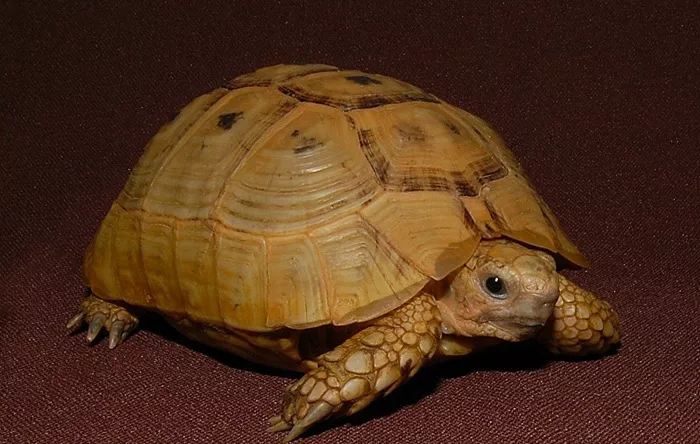
The Golden Greek Tortoise, or Testudo marginata, is one of the most charming and intriguing species of tortoises available on the market today. With its striking golden-brown shell and gentle demeanor, this species has become a favorite among reptile enthusiasts and pet owners alike. But before you rush out to buy one, it’s important to understand the various aspects that come with owning such a unique and beautiful creature. In this comprehensive guide, we’ll dive deep into the world of Golden Greek Tortoises, exploring their physical characteristics, care requirements, and tips for purchasing them.
Introduction: Why You Should Consider a Golden Greek Tortoise
Are you in the market for a tortoise that stands out in your collection? Then, the Golden Greek Tortoise is an excellent choice. Whether you’re an experienced reptile keeper or someone looking to add a new member to your family, this species offers a lot of benefits, including a relatively easy-going temperament, beautiful appearance, and relatively low-maintenance care. But before you make the decision to purchase, there are a few essential things you need to know about this delightful reptile.
Imagine this: You find yourself gazing at the enchanting, golden hue of the tortoise’s shell, a sight that immediately transports you to the sun-drenched Mediterranean landscapes where these creatures thrive. The Golden Greek Tortoise is not just a pet; it’s a living piece of art that requires a bit of care, but in return, it’ll provide you with years of companionship and joy.
What Makes the Golden Greek Tortoise Special?
Golden Greek Tortoises are a species of land tortoises that are native to the Mediterranean region. Their distinctive golden-brown or yellowish-colored shells set them apart from many other tortoise species. You might be thinking: Why is this tortoise so popular? Well, it’s not just their golden hue—these tortoises have a calm and docile nature that makes them an ideal pet for many reptile lovers.
Their shells, known for their beauty and symmetry, can grow up to 10-12 inches in length, although some individuals may exceed this size. Golden Greek Tortoises have sturdy, convex shells that are built to protect them from predators. Additionally, these creatures are herbivores and thrive on a diet consisting of grasses, weeds, and leafy plants, which is beneficial for both their health and the environment.
Physical Characteristics of the Golden Greek Tortoise
The Golden Greek Tortoise’s shell is one of its most impressive features. The beautiful golden-brown color of the shell can range from a deep, rich gold to a paler yellow hue, with a smooth and rounded texture. The patterning on their shells varies slightly from individual to individual, making each tortoise uniquely beautiful. These tortoises also have strong, thick limbs with claws that help them dig and move across rocky terrains.
Golden Greek Tortoises are relatively slow-moving, which is typical of most tortoises. Their movement is deliberate, giving you plenty of time to appreciate their grace and elegance. When fully grown, these tortoises can weigh anywhere between 10 to 15 pounds.
What to Look for When Purchasing a Golden Greek Tortoise
If you’ve made the decision to bring a Golden Greek Tortoise into your home, it’s essential to choose a healthy specimen. After all, you want your tortoise to live a long, healthy life. Here are some key factors to consider when shopping for a Golden Greek Tortoise:
1. Look for a Reputable Seller
Whether you are purchasing from a breeder or a pet store, make sure to choose a reputable seller who specializes in reptiles. This ensures that the tortoise has been properly cared for and is in good health. Ask the seller about the tortoise’s diet, living conditions, and any previous health concerns.
2. Check for Signs of Health
A healthy Golden Greek Tortoise should have clear, bright eyes and clean, dry nostrils. Check the shell for any cracks, dents, or scarring. A well-cared-for tortoise should have a smooth, shiny shell without any signs of injury. Additionally, the tortoise should have strong, well-formed legs, free of swelling or limping.
3. Age of the Tortoise
Golden Greek Tortoises can live up to 100 years in the wild, so be prepared for a long-term commitment. However, the younger the tortoise, the more care and attention it will need to thrive in its new environment. If you are new to tortoises, consider starting with a juvenile tortoise that is easier to acclimate to a new home.
4. Price Considerations
The price of a Golden Greek Tortoise can vary depending on the seller, the tortoise’s age, and whether it is captive-bred or wild-caught. On average, expect to pay anywhere between $150 and $300 for a Golden Greek Tortoise, with higher prices for rare or particularly large individuals.
How to Care for Your Golden Greek Tortoise
Caring for a Golden Greek Tortoise requires some commitment, but the reward is well worth it. With the right environment, diet, and attention, these tortoises can live a long, healthy life. Let’s go over some of the key care requirements:
1. Housing and Enclosure
Golden Greek Tortoises are terrestrial animals, meaning they need an enclosure that provides ample space for walking, digging, and basking. A large indoor terrarium or an outdoor pen with plenty of room is ideal. Ensure the enclosure has both shaded and sunny areas, as they love basking in the warmth of the sun. For outdoor enclosures, make sure the area is predator-proof and secure.
The size of the enclosure should be at least 4 feet long and 2 feet wide for a single tortoise. If you plan to house multiple tortoises, the enclosure will need to be larger to accommodate their individual territories.
2. Temperature and Humidity
Golden Greek Tortoises thrive in warm environments, with temperatures ranging from 75°F to 85°F during the day and a slight drop at night. During the winter months, they may enter a state of hibernation, so make sure you provide them with a suitable environment if they are kept outdoors.
Humidity should be moderate, around 40%-60%, but it’s important to ensure that they have access to fresh water for drinking and soaking.
3. Diet and Nutrition
Golden Greek Tortoises are herbivores, and their diet consists mainly of leafy greens, grasses, and weeds. A variety of plants will keep your tortoise healthy and satisfied. Some good options include dandelion greens, clover, and dark leafy lettuce.
Avoid feeding them foods that are high in protein or sugary, such as fruits or animal products, as these can lead to health issues. Additionally, make sure they have access to calcium, which is vital for healthy shell growth and bone development.
4. Veterinary Care
Regular check-ups with a reptile-savvy veterinarian are essential to ensure the long-term health of your Golden Greek Tortoise. It’s a good idea to schedule an annual health checkup to monitor their overall well-being and catch any potential issues early.
Conclusion
In conclusion, the Golden Greek Tortoise is a stunning, gentle, and long-lived species that can make a wonderful addition to your reptile collection. Whether you’re a seasoned reptile enthusiast or a first-time tortoise owner, the Golden Greek Tortoise offers a unique blend of beauty and simplicity in care that is hard to resist.
Before you buy, make sure to research and plan ahead to ensure that you provide a proper environment, diet, and care for your new tortoise. They are low-maintenance, but they do require your attention and commitment.
If you’re ready to embark on this exciting journey, you’ll find that a Golden Greek Tortoise is a rewarding companion that can bring years of joy and fascination to your home.
Related topics: