
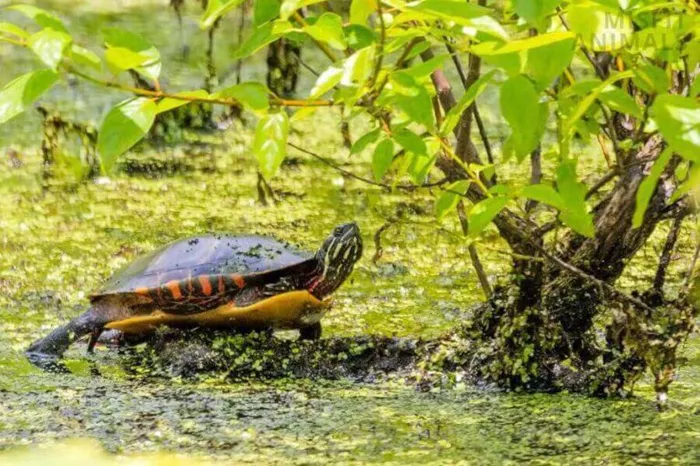
Painted turtles (Chrysemys picta) are one of the most widely recognized species of turtles in North America. With their colorful markings and easygoing demeanor, these turtles have fascinated reptile enthusiasts and nature lovers alike. But, one of the most common questions people have when it comes to these creatures is: Do painted turtles eat worms? It’s a straightforward question, but the answer involves a deeper look at their diet, their habitat, and their role in the ecosystem.
Introduction: What Do Painted Turtles Really Eat?
When you think of a painted turtle, you might imagine it basking in the sun on a log or swimming peacefully in a pond. However, just like any other animal, their diet is essential to their survival. The painted turtle, like many reptiles, is omnivorous. This means it eats a variety of foods, ranging from plant material to small animals. But, are worms part of their diet? And if so, how do worms fit into the larger picture of what painted turtles eat?
Let’s take a closer look. By the end of this article, you’ll have a complete understanding of whether or not these colorful reptiles munch on worms, and if they do, why they do it!
Understanding the Painted Turtle’s Omnivorous Diet
Before we dive into whether painted turtles eat worms, it’s crucial to understand the broader category of their diet. Painted turtles are opportunistic feeders. This means they will eat whatever is available and easy to capture within their environment. The turtles’ diet typically includes a mix of:
Aquatic plants: Grasses, algae, and water lilies are staples.
Insects: These include dragonflies, beetles, and water bugs.
Fish and small aquatic animals: Young turtles especially might prey on smaller fish or tadpoles.
Carrion: They are known to scavenge from deceased animals, including fish and other small creatures.
By eating a variety of foods, painted turtles maintain a balanced diet, allowing them to thrive in different environments, whether it’s a slow-moving river, pond, or marsh.
So, Do Painted Turtles Eat Worms?
Now, to answer the burning question: Yes, painted turtles do eat worms! However, this is not the most common part of their diet. Worms, like earthworms, are found in the soil and mud at the bottom of bodies of water where painted turtles live. Turtles will occasionally snack on worms, especially when the worms are available near their aquatic habitats. The primary reason they may eat worms is because of their high protein content, which is vital for their growth and overall health.
But do painted turtles actively hunt for worms? Not necessarily. Painted turtles are more likely to consume worms if they are within their reach, usually while they are foraging for other food sources. If a worm is easy to grab, the turtle won’t hesitate to enjoy it as a protein-packed snack!
See Also: What Veggies Can Painted Turtles Eat?
How Painted Turtles Catch Worms
You might be wondering how these turtles catch worms, considering they mostly live in water. Here’s where it gets interesting! Painted turtles don’t have the same method of hunting as land-dwelling predators. Instead, they rely on their environment and natural instincts.
When a painted turtle is in shallow water or near a muddy shore, it may come across earthworms that have wriggled into the water or mud. As the turtle swims or crawls along the water’s edge, it may spot the worm moving in the mud or water. Their sharp eyesight allows them to identify potential food sources, and with their strong jaws, painted turtles are perfectly capable of grabbing and eating worms when the opportunity arises.
In fact, painted turtles often forage for food by slowly swimming around their habitat, picking up food from the waterbed or shoreline. So, while worms aren’t the main food group in their diet, they certainly can be on the menu if they’re readily available.
The Role of Worms in a Painted Turtle’s Diet
While worms are part of the painted turtle’s diet, they play a small but important role. In the wild, painted turtles are known to feed on whatever is abundant and easy to find. Worms provide a great source of protein, which is crucial for the growth of young turtles, especially during their early years when they’re developing.
Interestingly, worms are also part of the natural cycle of many aquatic ecosystems. As worms decompose organic matter, they provide essential nutrients to the soil and water, indirectly feeding many animals, including painted turtles. This is why worms can be an attractive food source for the turtles when they are foraging.
How Much Protein Do Painted Turtles Need?
To understand why worms are a valuable food source, it’s helpful to know how much protein painted turtles need. Like all reptiles, turtles rely on protein to help them grow, build muscles, and repair cells. In the wild, a painted turtle’s diet is naturally balanced with protein, fats, and carbohydrates, thanks to the variety of insects, plants, and small animals they eat.
For young painted turtles, protein is especially important. In fact, many baby turtles will primarily feed on protein-rich food sources, like small insects, aquatic animals, and worms, to support their rapid growth. As turtles mature, they shift more towards plant material, but protein continues to play a role throughout their lives.
Do Painted Turtles Prefer Worms Over Other Food?
Great question! Painted turtles are not particularly picky eaters, but they do have preferences based on availability. While worms can be a good protein source, they are just one option among many. If a painted turtle encounters a small fish, a tadpole, or a water beetle, it may opt for those instead, depending on what’s easiest to catch and closest to it.
However, if worms are the most accessible food, painted turtles won’t hesitate to gobble them up. Their opportunistic feeding behavior means they are quick to adapt to their surroundings, eating whatever is available.
Conclusion
In summary, while painted turtles do eat worms, they don’t rely on them as their primary food source. Instead, worms are a small part of a diverse diet that includes aquatic plants, insects, and small animals. The reason painted turtles eat worms is because they offer an easy-to-catch, protein-rich snack when available. It’s also important to note that the presence of worms in a turtle’s diet is just one example of how turtles can thrive by eating a variety of food sources in their environment.
If you’re a painted turtle owner or a turtle enthusiast, understanding their diet is key to ensuring they are healthy and thriving in captivity or in the wild.
Related topics: