
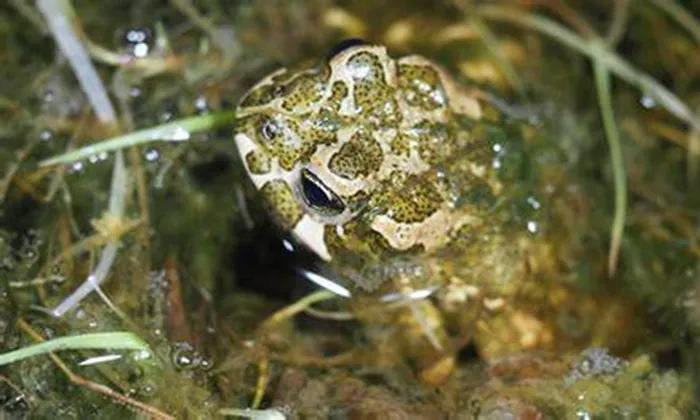
Have you ever seen a toad that looks like it’s wearing green camouflage? That’s the European green toad—a striking, hardy little amphibian that’s now catching the eyes of exotic pet lovers around the world. But here’s the twist: although these toads are sold in pet shops and online, not everyone is ready to care for them properly. So, if you’re thinking, “Is it a good idea to buy a European green toad?”—you’re not alone.
In this guide, we’ll walk you through everything, from what makes the European green toad a unique pet, to how to find one for sale, what to ask the seller, and how to create the perfect toad-friendly home. Think of this as your go-to handbook—easy to understand, but loaded with expert-level insights.
Let’s jump in—pun absolutely intended.
What Is the European Green Toad?
The European green toad (Bufotes viridis) is a medium-sized toad native to Europe and parts of Central Asia. It’s known for its bright green patches on a pale, often beige or grayish background, giving it a camouflage-like appearance. But don’t let its rugged look fool you—this species can adapt to city life, deserts, grasslands, and even mountain areas.
They usually grow to about 6–10 centimeters (2.4–4 inches) in length, with females being larger than males. Their skin feels dry and bumpy, which is typical for toads. When you pick one up (gently, of course), it might puff up or exude a mild odor as a defense, but it’s nothing to worry about.
See Also: Discover the Colorful European Green Toad
Why Are People Buying Them as Pets?
Great question! These toads are:
Hardy: They tolerate a wide range of temperatures.
Low-maintenance: They don’t need daily feeding.
Fun to observe: Their behaviors—like burrowing or croaking—are fascinating.
But there’s more. Many reptile and amphibian lovers are shifting toward native species that are legal and sustainable to keep. The European green toad is quickly rising in popularity for these reasons.
Where Can You Find European Green Toads for Sale?
Let’s get to the practical part: how do you find one?
1. Reptile Expos and Amphibian Shows
These events are goldmines if you want to see a toad before buying. Breeders and sellers bring their animals, and you can ask tons of questions, see the toads up close, and get some deals.
You might see signs like “CB Bufotes viridis”—CB means “captive-bred,” which is exactly what you want. Captive-bred toads are healthier, more legal, and more ethical.
🐸 Pro Tip: Wild-caught toads are often stressed and carry parasites. Always ask if the toad is captive-bred.
2. Online Exotic Pet Stores
There are many reliable online platforms where you can buy European green toads. These include:
Specialty amphibian stores
Classified ad websites with verified sellers
Amphibian breeder networks
Make sure the seller provides clear photos and gives you the animal’s age, sex (if known), and feeding behavior.
3. Local Breeders or Amphibian Enthusiast Groups
Sometimes, you’ll find hobby breeders who love toads and breed them as a passion project. These folks often offer healthier animals than large-scale operations. Plus, they might give you care advice for free!
Legal and Ethical Concerns Before Buying
Let’s pause for a second. Before you buy, ask yourself: Is it legal and responsible?
Check Local Laws
In some places, owning a European green toad may be restricted, especially if the species is native and protected. In Germany, for example, this toad is protected under the Federal Nature Conservation Act. Export and sales may require permits.
Captive-Bred vs. Wild-Caught
This can’t be said enough: Always choose captive-bred. Not just for the toad’s health, but also for conservation reasons.
According to a 2022 survey by Amphibian Ark, over 40% of amphibians globally are threatened. Removing wild individuals only makes the problem worse.
How Much Does a European Green Toad Cost?
You’re probably wondering about the price tag.
Toad cost: $20 to $50, depending on age and rarity
Starter setup: $100 to $300 (more on that later)
Some breeders might throw in a free care sheet or discount if you buy in pairs. Keep in mind that you might also need:
A secure terrarium
Heating (depending on your climate)
UVB lighting (optional but beneficial)
Food (crickets, worms, etc.)
Substrate and décor
Hot Tip: Think of the cost like buying a fish tank—not just the fish, but the entire ecosystem.
What to Ask the Seller
Buying a toad isn’t like buying a coffee. You need the right info to make a smart decision.
Ask these questions:
Is it captive-bred or wild-caught?
What’s its age and sex?
What’s it been eating?
Any recent shedding or health issues?
Do you have a return policy or live-arrival guarantee (for online purchases)?
The more confident the seller is, the more likely they are to have cared well for their animals.
Creating a Home for Your Toad
Here’s where things get exciting. You’re not just getting a pet—you’re building a mini-ecosystem.
Terrarium Size and Setup
For one European green toad, a 20-gallon tank is a great starting point. If you’re housing two, go for 30 gallons or more.
You’ll need:
Secure lid: These toads can climb and escape!
Substrate: Use a mix of coconut fiber and soil. It holds moisture and allows burrowing.
Water dish: Big enough for soaking but not too deep.
Hiding spots: Cork bark, rocks, or even a flowerpot laid on its side.
Temperature and Humidity
European green toads enjoy moderate temperatures.
Daytime: 21–27°C (70–80°F)
Night: Can drop to 15°C (59°F)
Humidity: Around 50–70%, mist lightly each day
Reminder: If your toad seems sluggish, check the temperature. Low temps can slow them down!
Feeding Your European Green Toad
Toads are carnivores. Their diet includes:
Crickets
Mealworms
Earthworms
Roaches (small ones)
Juveniles eat every day. Adults can eat 3–4 times a week. Dust food with calcium powder once or twice a week to prevent bone issues.
Watch for overeating—they love to eat, but obesity in toads is real. A healthy toad should look plump, not like it swallowed a golf ball.
Handling and Behavior
These aren’t cuddly pets, but they’re great to watch. Most European green toads are:
Nocturnal: Active at night
Burrowers: They’ll dig in substrate
Vocal: Males may croak softly
You can handle them occasionally, but wash your hands first and after. Their skin absorbs chemicals easily, even from hand lotion or soap residue.
Fun Fact: Their calls are soft and almost musical—a bit like a slow-motion chirp!
Common Health Issues and What to Watch For
Even though they’re hardy, European green toads can face some health problems:
Red legs: Sign of a bacterial infection
Cloudy eyes: Possible vitamin A deficiency
Lethargy: Could be too cold or sick
Bloating: Might be from parasites or overeating
If you notice strange behavior or symptoms, it’s best to consult an exotic vet. Not all vets treat amphibians, so do some research before bringing your toad home.
Breeding and Toadlet Care
Some enthusiasts try their hand at breeding. It’s not too difficult, but it requires planning.
You’ll need to simulate seasonal changes, like cooling the tank for winter and increasing moisture in spring. Males will call, and if a female responds, you’ll see amplexus—the classic toad hug!
Eggs hatch in water, and tadpoles metamorphose in 6–8 weeks. Raising toadlets is rewarding, but they’re tiny and fragile, so it’s not for beginners.
Who Should Buy a European Green Toad?
Ask yourself:
−Do I want a pet that’s more to watch than handle?
−Can I commit to caring for it for 10–15 years?
−Am I comfortable feeding it live insects?
−Do I have space for a proper enclosure?
If you said yes, this might just be your perfect pet.
Conclusion
So, should you get a European green toad for sale?
Absolutely—if you’re ready. These charming amphibians are durable, visually striking, and low-maintenance, making them ideal for beginners and pros alike. But they still need the right care, setup, and respect.
Take your time. Talk to breeders. Read care guides (like this one!). And when you’re ready, you’ll be stepping into a world of tiny, green-spotted adventure.
Toads aren’t just pets—they’re a peek into a wild world. And once you welcome one into your home, you’ll never look at the night the same way again.
Related topics: