
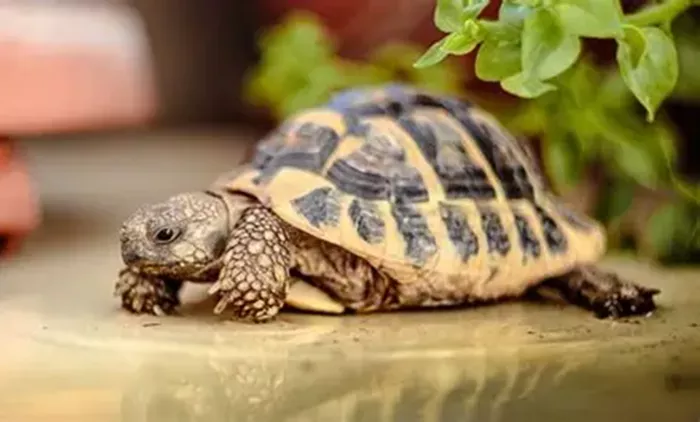
Imagine waking up one morning and noticing that your tortoise—your slow, gentle backyard companion—is gone. The enclosure gate may have been left ajar, or perhaps your shelled friend tunneled out. Now you’re staring at the yard in disbelief, asking the big question: “Will my lost tortoise come back?”
This question is more common than you think. Whether you’re caring for a Russian tortoise, a sulcata, or a red-footed tortoise, their ability to disappear despite their slow speed can leave you stunned. And here’s the truth—the answer isn’t simple. Some tortoises do return. Others may keep wandering unless they are found.
Let’s dive deep into what really happens when a tortoise goes missing. We’ll explore whether they return on their own, what instincts they rely on, how far they can go, and most importantly—what you can do about it. If you’ve lost your tortoise or want to prevent that heartbreak, this guide will walk you through everything you need to know.
Tortoises: Great at Hiding, Not at Returning
At first glance, tortoises may seem like the last animals you’d expect to vanish. They are slow, deliberate, and don’t leap or climb much. But here’s the twist—they’re masters of stealth.
Once outside their enclosure, tortoises often head straight for cover. They may bury themselves under leaves, slip beneath bushes, or wedge themselves into dark corners. You may be looking for them in the open, but they’re hiding just out of sight.
In the wild, this camouflage is a survival tactic. In captivity or suburban yards, it makes them incredibly hard to find.
So when a tortoise goes missing, it’s not always because it wants to “run away.” Most often, it’s simply following natural instincts—seeking warmth, shelter, food, or a mate. But unfortunately, those instincts don’t include returning home.
Do Tortoises Have Homing Instincts?
Some animals, like cats or homing pigeons, have remarkable navigational abilities. They can find their way back from miles away. But tortoises? Not quite.
Tortoises do not have a strong homing instinct. That means they are unlikely to navigate their way back to a specific place, like your yard, after wandering off.
Here’s why:
−Tortoises rely on local landmarks and smells, not GPS-like mapping.
−Once they’re out of their familiar area, they quickly become disoriented.
−They tend to move in straight lines, not in loops or circles that would bring them back.
It’s a bit like walking into the woods without a phone or compass and hoping you’ll remember your way back. Tortoises just don’t have the inner tools to retrace their steps accurately.
So, if your tortoise escapes, don’t wait for it to stroll back home like a loyal dog. Go looking—and fast.
How Far Can a Tortoise Wander? The Surprising Distance
You may think, “It’s a tortoise. How far could it really get?” That’s a fair question—but it’s also where many pet owners underestimate the problem.
Tortoises can move faster than you think. Not cheetah-speed fast, of course, but they’re steady and determined, which means they can cover surprising distances if left unchecked.
−According to some reports:
−A sulcata tortoise (one of the largest species) can travel up to 5 miles in a day.
Smaller species like Greek tortoises may only cover a few hundred feet—but that’s enough to vanish into neighboring yards or nearby woods.
And because they don’t follow predictable paths, they might dig under fences, squeeze under decks, or follow shaded corridors into unfamiliar territory.
So while they aren’t sprinters, their combination of persistence and camouflage means they can become invisible in minutes—even in an average-sized backyard.
Why Do Tortoises Escape in the First Place?
Understanding why tortoises leave is just as important as finding them. The main reasons include:
1. Temperature Regulation
Tortoises are cold-blooded. That means they rely on external temperatures to maintain body heat. If it’s too hot or too cold, they may move in search of comfort.
Example: If your backyard is blazing hot with no shade, your tortoise might head toward a bush or crawlspace.
2. Mating Instinct
During mating seasons, male tortoises get restless. Even if there are no females nearby, hormones drive them to wander. This instinct is ancient and hard to fight.
3. Exploration and Curiosity
Just like a child might explore the neighborhood, some tortoises are natural explorers. Especially if the enclosure feels cramped or boring, they may want to see what’s beyond the fence.
4. Escape Routes
Tortoises can:
Dig under barriers.
Push through loose fencing.
Climb low walls if there are footholds.
Take advantage of open gates.
That’s why good enclosure design is crucial—but we’ll get to that later.
What Happens to a Lost Tortoise?
Once your tortoise is outside, a few things can happen:
It may hide nearby, within 20–30 feet.
It may keep walking, especially if it’s warm and sunny.
It may encounter dangers, like roads, predators, or humans who think it’s a wild animal.
It might be picked up by a neighbor who doesn’t know it’s a pet.
That last point is critical. Many lost tortoises end up being “adopted” by someone else. If your tortoise crosses into another yard, the person who finds it may assume it’s a wild turtle and not report it.
That’s why immediate action and community alerts are vital. The faster you act, the better the chance of getting your tortoise back.
Will a Lost Tortoise Try to Come Back?
Let’s be honest: Probably not on its own.
As we said earlier, tortoises don’t navigate by memory or intent. They don’t “miss” home the way dogs do. If your tortoise escaped, it’s likely just wandering aimlessly—unless it finds a nice shady spot and stops there.
That said, if your tortoise is still close, it might:
Return to a familiar scent.
Be lured back by favorite foods.
Hear familiar sounds like your voice or water running.
So while it’s not likely to choose to return, you can guide it back—if you know what to do.
How to Increase the Chances of Getting Your Tortoise Back
Here’s the heart of the matter—how do you bring your tortoise home? If you act quickly, there’s hope.
1. Start Searching Immediately
Don’t wait. The longer you delay, the farther your tortoise may travel. Start by checking:
Under bushes, decks, and porches.
Along fence lines and garden beds.
Cool, damp spots (tortoises love them).
Use a flashlight, even during the day. Their shells blend in with soil and leaves.
2. Use Familiar Scents and Sounds
Try placing:
Your tortoise’s favorite food in open dishes.
A heat lamp or heating pad in a shaded area.
A shallow water dish—they’re attracted to moisture.
You can also call their name or mimic familiar sounds. It sounds silly, but some tortoises respond to routine noises like hose sprays or food bowls.
3. Get the Community Involved
Print flyers with your tortoise’s photo. Post in:
Local parks
Vet clinics
Grocery stores
Community boards
Also, post online: Facebook neighborhood groups, Craigslist, Nextdoor, and local animal shelters.
Be descriptive: “Missing Russian tortoise, 6 inches long, tan shell, last seen near Oak Street. Friendly but shy.”
4. Leave the Gate Open (With Caution)
Some tortoises do return to the last place they felt safe, especially at night when it’s cooler. If your yard is secure from predators, consider leaving a gate ajar with food and water inside.
Don’t rely on this alone—but it’s worth a try.
How Long Can a Lost Tortoise Survive?
Here’s a bit of good news: Tortoises are survivors.
Depending on the weather and the local habitat, they can survive:
Several days without food.
Up to a week or more without water (though not ideal).
Even longer if they find natural shelter.
Some lost tortoises have been found weeks or even months later, alive and well. So don’t give up hope too soon. Just keep searching.
How to Prevent Escapes in the Future
The best way to deal with a missing tortoise? Make sure it never happens again.
Here’s how:
Build a strong enclosure with walls that go at least 12 inches underground.
Check the fencing daily for weak spots or holes.
Supervise outside time, especially during summer.
Provide enrichment—plants, tunnels, rocks—to satisfy their need to explore.
It’s just like child-proofing your house—only this time, it’s for a determined little dinosaur.
Conclusion
So, will a lost tortoise come back? The answer is: not on its own—but you can bring it back.
Tortoises don’t have homing instincts, but they do have survival skills. If you act quickly, search smartly, and use the help of your neighbors and local resources, your shelled companion could be waiting just around the corner.
Don’t give up hope. Don’t stop looking. And next time—fortify that fence!
Related topics: