
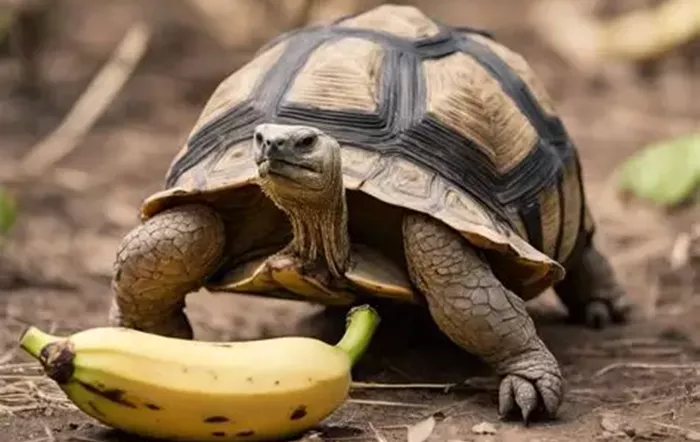
Bananas are sweet, soft, and seem like a harmless treat. But when it comes to feeding your Hermann’s tortoise, should you reach for this tropical fruit or steer clear? You might think a little bite won’t hurt, especially if your tortoise looks eager. But here’s the twist — what tastes good isn’t always good for your shelled friend. In this article, we’re diving deep into the banana question. You’ll find not just a yes or no answer, but also why it matters, how it affects their body, and what to do if your tortoise has already had a nibble. Let’s get to the core of this fruity dilemma — and by the end, you’ll be a confident, informed tortoise caretaker.
Getting to Know the Hermann’s Tortoise
Before we dive into bananas, it’s essential to understand who we’re dealing with. Hermann’s tortoises (Testudo hermanni) are small, land-dwelling reptiles native to parts of Southern Europe — think sunny hillsides in Italy, Greece, and parts of the Balkans. They thrive in dry, warm environments with lots of plants and sunlight.
They are herbivores by nature, meaning they mainly eat plants. But this doesn’t mean they can eat all plants or fruits. In the wild, their diet consists of weeds, flowers, and leafy greens. Their bodies have evolved to handle low-sugar, high-fiber foods. So when we introduce sweet tropical fruits like bananas, it’s like giving a caveman candy — their system simply isn’t designed for it.
What’s in a Banana Anyway?
Bananas are often called a “superfruit” for humans. They’re full of potassium, vitamin B6, fiber, and natural sugars. That’s great for you — especially after a workout — but what about your tortoise?
Let’s break it down:
Sugar: Bananas contain about 12g of sugar per 100g. That’s quite a lot for a tortoise that’s used to eating dandelion leaves and grasses.
Fiber: While bananas have some fiber, it’s not the kind that tortoises naturally eat.
Potassium and Magnesium: These are helpful minerals, but only when balanced correctly.
Calcium to Phosphorus Ratio: Bananas have a low calcium-to-phosphorus ratio, which is bad news for tortoises. Calcium helps maintain strong shells and bones. Too much phosphorus can interfere with calcium absorption — and that’s a recipe for MBD (metabolic bone disease), a common reptile disease caused by calcium deficiency.
Why Sweet Isn’t Always a Treat
Imagine your tortoise’s digestive system like a finely tuned machine built to run on rough, fibrous fuel. Now, throw in a mushy, sugary banana — suddenly the engine gets overwhelmed. Too much sugar ferments in the gut, leading to bloating, diarrhea, or even gut infections.
Think of it like putting soda into a car that runs on diesel. It might move for a bit, but it’s only a matter of time before things go wrong.
Over time, feeding sugary fruits like bananas can:
Disrupt gut flora: Tortoises rely on healthy gut bacteria to digest their food. Excess sugar can wipe these out.
Lead to obesity: Yes, tortoises can get fat! A chubby tortoise is more likely to develop heart issues and have difficulty moving.
Cause kidney problems: Bananas are high in potassium, and too much of it can overwork the kidneys.
Contribute to shell deformities: Due to poor calcium absorption, which we’ll explain more below.
Calcium vs. Phosphorus: The Silent Battle
You’ve probably heard how important calcium is for reptiles. But here’s the key — it’s not just about how much calcium a tortoise gets, but also about its balance with phosphorus.
Tortoises need a 2:1 ratio of calcium to phosphorus. Bananas? They’re the opposite. That means even if you sprinkle calcium powder on their food, the phosphorus in bananas might block its absorption. Over time, this imbalance leads to soft shells, weak bones, and yes — metabolic bone disease, which causes painful deformities and even death if untreated.
This is why your tortoise’s diet must be carefully planned, with calcium-rich, low-phosphorus foods like collard greens, turnip greens, and dandelion leaves.
What Happens If You Already Fed Your Tortoise Banana?
Don’t panic. If it was just a tiny nibble, your tortoise will probably be okay. But here’s what you should do next:
Watch for signs of digestive upset: Is your tortoise pooping more than usual? Does the stool look too soft? Is your tortoise acting sluggish?
Hydrate: Make sure fresh water is always available. You can also give your tortoise a short soak in shallow lukewarm water to help with hydration.
Stick to fibrous greens for a few days: Go back to their natural diet — dandelions, plantains, clover, and other safe greens.
Check your UVB lamp: UVB lamps are like “artificial sunlight” for reptiles. They help synthesize vitamin D3, which allows proper calcium absorption. Without it, even a good diet won’t help.
If your tortoise seems sick after eating banana, talk to a reptile vet. Better safe than sorry.
Safe Feeding Guidelines for Hermann’s Tortoise
Let’s take a step back and look at the big picture. A healthy diet for a Hermann’s tortoise should be:
High in fiber
Low in sugar
Rich in calcium
Natural and varied
Fruits like banana, strawberry, or melon might seem like fun “treats,” but they should only be given very rarely, if at all — and only in tiny amounts. Think of fruit as dessert, not dinner.
A good rule? If in doubt, leave it out.
What Should You Feed Instead?
Instead of bananas, focus on:
Wild weeds and leafy greens: These mimic their natural diet. Dandelion, plantain, and clover are great.
Occasional flowers: Like hibiscus or nasturtium.
Calcium-rich greens: Like turnip greens or mustard greens.
Supplements: A pinch of calcium carbonate powder once or twice a week helps maintain balance.
These keep your tortoise’s digestive system happy, its shell strong, and its behavior active.
How to Keep Your Tortoise Happy and Healthy (Beyond Diet)
Diet is just one piece of the puzzle. Your tortoise also needs:
A warm basking spot (about 90–95°F)
Cooler shaded areas (about 70–75°F)
Proper humidity — not too dry, not too wet
A UVB lamp for 10–12 hours daily
Daily activity space — an outdoor pen or large enclosure
Regular hydration — shallow water dish and occasional baths
Feeding bananas and neglecting these needs is like feeding a dog steak but locking it in a closet. Health comes from the whole environment, not just snacks.
Can You Ever Feed Banana Safely?
Here’s the nuanced answer: Yes, but barely and rarely. Think of banana like a cupcake. Would you give a child cupcakes every day? Hopefully not!
If you’re going to offer banana:
Only a tiny sliver, about the size of your thumbnail
Only once every few months
Only if your tortoise is otherwise healthy and eating a well-balanced, calcium-rich diet
And always watch for any digestive changes afterward. If something seems off, stop completely.
Tortoise Owners Share: A Few Real-Life Stories
Sarah from London: “I gave my Hermann’s tortoise a small banana slice, and he loved it. But the next day, his poop was runny and he didn’t move much. I panicked and called a vet. She said no more sugary fruits. Lesson learned!”
Tom in California: “I used to feed banana and strawberry as treats weekly. Then I noticed my tortoise’s shell getting soft. The vet diagnosed early metabolic bone disease. Since then, it’s only weeds and calcium. He’s recovered and doing great now.”
These stories show us: what feels kind in the moment isn’t always kind long term.
Conclusion
So — can Hermann’s tortoises eat banana? Technically yes, but practically, they shouldn’t. Their bodies aren’t built for sugary, soft fruits. Even small amounts can disrupt digestion, unbalance calcium levels, and lead to serious health issues. If you love your tortoise, the best treat you can offer is a wild-picked weed and a sun-warmed rock to bask on.
By feeding smart and thinking long-term, you’ll give your Hermann’s tortoise not just a snack — but a happy, healthy life. Great job learning more about what’s best for your scaly friend. Keep it up!
Related topics: