
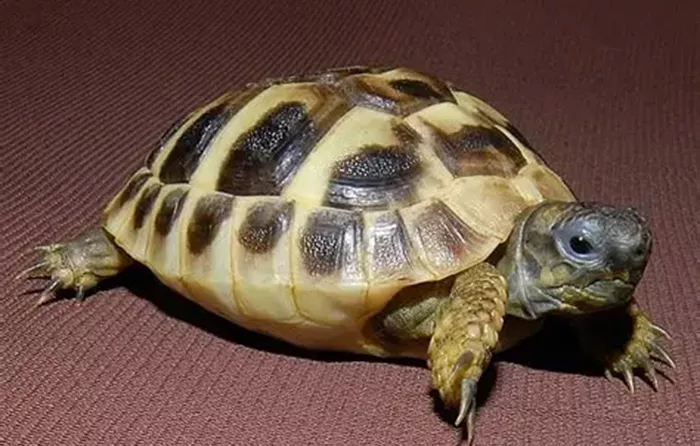
If you’ve ever locked eyes with a Hermann tortoise and thought, “How much would it cost to bring this little shelled friend home?”, you’re not alone. These charming reptiles are among the most popular tortoise species for pet lovers in Europe, the UK, and North America. But before diving into ownership, it’s essential to know what you’re signing up for financially—because the cost of a Hermann tortoise goes far beyond the initial price tag.
In this article, we’ll explore every aspect of the cost, from purchase to setup and ongoing care. You’ll find out why some tortoises are more expensive than others, what affects their price, and what hidden expenses you might not expect. So let’s get started!
What Is a Hermann Tortoise?
A Hermann tortoise is a small to medium-sized land tortoise originally from the Mediterranean regions of southern Europe, including parts of Italy, Spain, and the Balkans. Their scientific name is Testudo hermanni. Known for their gentle behavior, beautiful patterned shells, and long lifespan—often 50 years or more—they’re a favorite among reptile enthusiasts.
Because they’re relatively easy to care for (compared to some exotic pets), they make great first-time reptile companions. But easy doesn’t mean cheap—and that’s why understanding the full cost picture is crucial.
The Upfront Price of a Hermann Tortoise
Let’s cut to the chase: How much will you pay to bring one home?
On average, a captive-bred Hermann tortoise will cost between $150 and $500 USD depending on the breeder, location, and whether the tortoise is a hatchling, juvenile, or adult. In the UK, you can expect prices to range from £120 to £350. The European market is similarly priced, but variations may occur depending on regulations and breeding practices.
Why such a wide price range? Great question. Several factors influence the cost:
Age: Hatchlings are usually cheaper than adults. But remember, babies require more care, especially in temperature and humidity management.
Subspecies: The Eastern and Western Hermann tortoises have slight differences, and some breeders may charge more for rarer subspecies.
Breeder reputation: Ethical breeders who raise tortoises in good health, offer health certificates, and comply with wildlife trade laws usually charge more.
Legal documentation: In some countries, tortoises must be microchipped and registered to be sold legally. This also adds to the cost.
Is It Better to Adopt or Buy?
Buying a tortoise from a reputable breeder ensures the animal has been raised ethically and is disease-free. However, you can also adopt a Hermann tortoise from a rescue organization or private owner.
Adoption fees typically range from $50 to $150, but some organizations only require a donation or cover the cost of transport. Adoption is often cheaper and helps provide a home to a tortoise in need. Don’t miss the chance to save both money and a life!
However, with adoption, you may need to spend more on veterinary checkups initially—especially if the tortoise’s background is unknown. So, weigh both the emotional and financial aspects carefully.
Initial Setup Costs: Creating a Tortoise Paradise
Bringing your new tortoise home is only the beginning. You’ll need to create a habitat that mimics the Mediterranean environment. Think of it like designing a tiny resort for your shelled friend—minus the pool bar.
Indoor Enclosure or Outdoor Pen
Enclosure: Around $100–$400 depending on size and material
Outdoor pen (for summer or warm climates): Around $150–$500
Substrate (the material used at the bottom of the enclosure):
Aspen, coconut coir, or topsoil mix: $20–$40 for the initial setup
Lighting and Heating
UVB lamp: $25–$60 (needs replacement every 6–12 months)
Heat lamp or ceramic heater: $20–$50
Timers, fixtures, and thermometers: $30–$60
Remember: UVB lamps are like “artificial sunlight”. They help your tortoise synthesize vitamin D3, which is vital for absorbing calcium and preventing bone problems. Without proper lighting, your tortoise can develop MBD (metabolic bone disease), a common reptile disease caused by calcium deficiency. So, don’t skimp here!
Hides, Plants, and Decor
Provide shade, stimulation, and security
$30–$80 depending on your creativity
Water Dish and Food Bowl
Around $10–$20 total
Initial Total for Setup: $250–$700 (or more if you go premium)
Recurring Costs: Monthly and Annual Expenses
Here’s where many new owners are caught off guard. Like any pet, a Hermann tortoise needs ongoing care, and that means ongoing expenses.
Food
Mostly leafy greens, vegetables, and occasional fruits
Monthly cost: $20–$40
Calcium and Vitamin Supplements
Powdered supplements: $10 every 2–3 months
Lighting Replacement
UVB bulb every 6–12 months: $25–$60
Heat source may also need replacement yearly
Veterinary Care
Annual checkup: $50–$150
Emergency or illness: Costs can spike to $300 or more
Miscellaneous
Substrate top-ups, enclosure cleaning supplies, and enrichment toys: $10–$30/month
Annual Average Maintenance Cost: $400–$800
Unexpected Costs and Budgeting Tips
Owning a tortoise is a long-term commitment—these animals can outlive their owners! Over a 50-year lifespan, you could easily spend $10,000 to $20,000 on total care.
Don’t forget to budget for:
Upgrading to a larger enclosure
Occasional vet emergencies
Seasonal heating costs (especially in cold climates)
Boarding or pet-sitting if you travel
Tip: Set aside a small tortoise emergency fund. Even $10 a month adds up and can cover sudden vet bills.
Is It Worth the Price?
Absolutely—if you’re committed. A Hermann tortoise isn’t a low-effort pet, but the bond you’ll form is rewarding. Many owners say their tortoises become part of the family, developing quirky personalities and favorite hangout spots.
But you should be realistic. If the cost feels too high now, it will only grow. Make sure you’re ready emotionally and financially. Don’t buy on impulse—do your homework first.
Conclusion
So, how much does a Hermann tortoise cost? Depending on how you approach ownership, the initial cost could be as low as $200 (with adoption and a DIY setup) or as high as $1,200+ for premium care. But the long-term investment is where you really need to focus—think decades of care, not just a few years.
Great! You now have a full picture of what it really costs to welcome a Hermann tortoise into your life. If you’re still interested, start saving and researching trusted breeders or rescues in your area. Your future tortoise is out there—waiting for a cozy habitat and a caring human like you!
Related topics: