
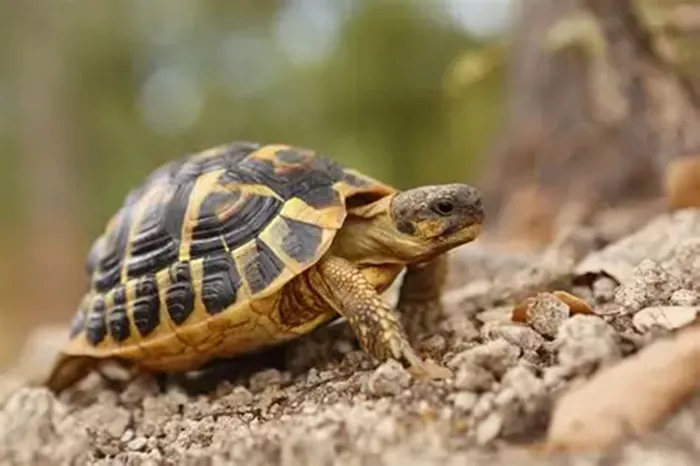
You might’ve watched your Hermann tortoise for hours, wondering—what does it really enjoy doing? That slow pace might trick you into thinking it’s just hanging around with no preference. But don’t be fooled. Hermann tortoises (Testudo hermanni) have clear likes and dislikes. They thrive on certain activities and get stressed when their environment doesn’t support their natural behaviors.
In this article, you’ll uncover the full picture of what makes these ancient reptiles tick. From basking under “artificial sunlight” to digging like tiny bulldozers, Hermann tortoises are far more active and emotional than many people assume. Understanding what they like to do isn’t just fun—it’s essential for their health, happiness, and lifespan.
So buckle up! Whether you’re a first-time keeper or a longtime tortoise enthusiast, get ready to step inside the slow-moving but surprisingly dynamic world of the Hermann tortoise.
Basking: Soaking Up Warmth Like a Little Living Solar Panel
One of the most obvious—and vital—things Hermann tortoises like to do is bask. Basking is how they regulate their body temperature since they can’t generate heat like mammals. In the wild, they’ll find a sunny rock or patch of ground. In captivity, they rely on you to give them a basking area.
Why do they love basking so much? It feels good, and it keeps them alive.
Imagine you just stepped into a warm hot spring on a cold morning. That’s what basking feels like for your tortoise. The warmth helps them digest food, stay active, and even improves their mood.
In captivity, UVB lamps are like “artificial sunlight” for reptiles. They help the tortoise synthesize vitamin D3, which is crucial for absorbing calcium. Without it, they risk developing MBD (metabolic bone disease), a painful condition caused by calcium deficiency.
So yes—if your tortoise is chilling under the lamp every day, that’s not laziness. That’s joy, health, and survival all rolled into one.
Exploring: The Tortoise Version of a Nature Hike
Don’t underestimate their curiosity. These tortoises might move slowly, but their minds are busy. Hermann tortoises are natural explorers. In the wild, they walk miles across rocky hills, forests, and grasslands looking for food, shelter, and mates.
When given space, they love to walk, sniff, push, and investigate.
It’s kind of like giving a toddler a new room full of toys—your tortoise will want to know what’s in every corner. If they’re stuck in a small, barren enclosure, they get bored and stressed. You might even see them try to climb the walls or scratch endlessly at the glass. That’s not misbehavior—it’s desperation.
You can make your tortoise’s world more exciting by:
−Adding rocks, logs, and hills for them to climb.
−Rotating objects and hides so they stay curious.
−Using different textures on the ground, like sand, bark, and soil.
Exploring isn’t just a game—it’s how they exercise their muscles and minds. A sedentary tortoise is an unhealthy tortoise.
Digging: Nature’s Little Excavator at Work
Here’s a behavior you have to watch—it’s weirdly adorable and so satisfying: digging.
Hermann tortoises dig for many reasons:
−To make a cool shelter when it’s hot.
−To hide from predators.
−To create a nesting site (if female).
−Just for fun and comfort!
Digging is in their DNA. Even babies will instinctively try to burrow into soft soil or loose substrate. It gives them a sense of security.
If you’re keeping your tortoise indoors, give them a section with a deep, diggable substrate like organic topsoil or coconut coir. Don’t worry—they won’t tunnel to the center of the Earth, but they might make a cozy little hideaway they’ll return to often.
It’s their way of saying, “This feels like home.”
Eating: A Leafy Buffet Makes Their Day
You knew this one was coming. Like all creatures, Hermann tortoises love food—but they don’t just eat to live. The way they nibble, sniff, and even chase after greens shows genuine enjoyment.
In the wild, they munch on a wide variety of vegetation, such as dandelions, clover, and thistles. In captivity, you can create a salad bar experience with:
−Fresh leafy greens like romaine and kale.
−Edible flowers like hibiscus and nasturtium.
−Occasional treats like grated carrots or cactus pads.
Make it fun! Scatter food around the enclosure so they “forage” like they would in nature. This turns mealtime into an adventure instead of a chore.
And trust us—when your tortoise waddles over with purpose and chomps down, it’s a moment of pure joy. For both of you.
Climbing: It’s Like a Mini Obstacle Course for Them
You might think climbing is a job for geckos or snakes, but guess what? Hermann tortoises love to climb.
Sure, they’re not going to scale a wall, but give them a gentle incline or rock, and they’re on it. They especially love climbing onto logs, bricks, or little platforms.
Why?
−It gives them a better view.
−It stretches their legs and strengthens their shell muscles.
−It gives them a feeling of control over their territory.
A tortoise on a perch is kind of like a king on a throne—it boosts their confidence.
Just make sure the heights are safe and stable. We don’t want any toppled tortoises!
Hiding: A Quiet Place Is Pure Bliss
While tortoises love to explore and bask, they also enjoy downtime. They’re solitary by nature and often retreat to dark, quiet hiding spots.
In the wild, they crawl under brush or dig into the earth. At home, they’ll appreciate:
−Half logs or cork bark hides.
−Clay flower pots turned sideways.
−Covered areas with moss and soil.
This is where they nap, feel safe, and lower stress. If your tortoise has no hide, it can become anxious or even stop eating.
Think of it like your tortoise’s bedroom—it needs to feel cozy, dark, and private. Providing a good hide shows your tortoise that they can trust their environment.
Soaking: Not Just for Cleanliness—It Feels Good Too
Yes, Hermann tortoises like to soak!
A shallow dish of lukewarm water can be a favorite hangout spot. They’ll often sit and absorb water through their vent (the cloaca) and hydrate at the same time.
This is important, especially in warm or dry environments. A weekly soak can prevent dehydration, help digestion, and even soften stool if they’re constipated.
You might see them “stretching” their neck out and relaxing their limbs. It’s kind of like a tortoise version of a bubble bath—peaceful and good for their health.
Just make sure the water is shallow (no higher than their chin) and never cold.
Interacting With You: Yep, They Notice You!
Some people say reptiles don’t form bonds. But many Hermann tortoise keepers will tell you otherwise.
Over time, these tortoises can recognize their owners. They associate your voice, smell, and movements with food and safety. Some may even walk toward you when you come near or follow your hand as you move.
While they aren’t cuddly like dogs, they do enjoy interaction—on their terms.
Try sitting by their enclosure and talking to them softly. Offer food from your hand (watch those fingers!). You’ll be amazed at how aware they are.
Building trust can be slow, but once it’s there, it’s truly special.
Nesting Behavior: For Female Tortoises, This Is Serious Business
If you have a female Hermann tortoise—especially one over 6 years old—she may one day go into nesting mode.
This means:
−She starts digging multiple holes.
−She becomes restless.
−She may stop eating for a few days.
This is completely natural and a huge part of what she “likes” to do during breeding season.
Even if she hasn’t mated, she might still lay infertile eggs. Give her deep, loose substrate and plenty of privacy. Nesting is a biological need—ignoring it causes stress and health issues.
You don’t have to breed your tortoise, but supporting her nesting behavior is part of being a responsible keeper.
Resting: Yes, They Enjoy Doing Nothing Too
Let’s not forget—rest is also an important part of a tortoise’s life. After all the basking, climbing, exploring, and munching, your tortoise needs time to chill.
They might sleep for 12–14 hours a day, especially if the room is cool or the season is changing. This is totally normal.
Don’t panic if your tortoise is resting a lot—as long as they’re eating and pooping normally.
Think of it like recharging a battery. After all, tortoises have been around for 50+ million years. They’ve earned the right to take it easy sometimes.
Conclusion
Turns out, quite a lot.
They bask to stay healthy, dig to feel secure, eat with enthusiasm, explore like little adventurers, and rest when they need to. By observing and supporting these behaviors, you’ll not only create a happy tortoise—you’ll deepen your own joy and connection as a keeper.
Your Hermann tortoise might be slow, but their life is full of meaning and motion. And now that you know what makes them happy, you can give them a life that’s not just long—but also amazing.
Related topics: