
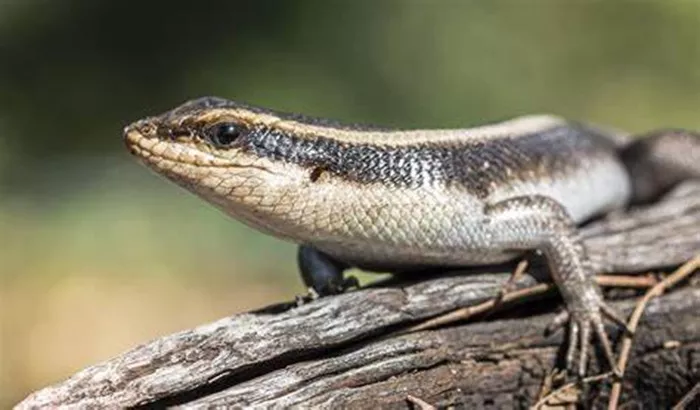
When we think of lizards, we often imagine them basking in the sun, laying motionless on a rock. They seem to live in warm places, but does that mean they are cold-blooded animals? To answer that question, we need to dig deeper into what it truly means for an animal to be cold-blooded, how lizards function, and why they need the sun to thrive. This article will explain all that and more!
What Does “Cold-Blooded” Really Mean?
Let’s start with the basics. When we say an animal is “cold-blooded,” we are referring to its ability to regulate body temperature. Cold-blooded animals—also known as ectothermic animals—cannot generate their own body heat like humans or other mammals. Instead, their body temperature depends on the environment around them.
Think of it like this: Imagine you’re outside in the winter without a jacket. If you’re cold, you can’t warm yourself up by generating heat. You would need to find a heater or a warm place, just like how a cold-blooded animal needs to move to warmer areas to increase its body temperature.
How Lizards Fit into This Picture
Now, let’s talk about lizards specifically. Yes, lizards are indeed cold-blooded. Their bodies cannot maintain a constant temperature on their own. Instead, they rely on external heat sources, such as the sun, to warm up and increase their energy levels. This is why you often see lizards basking in the sunlight during the day.
When you see a lizard lying in the sun, it’s not just relaxing—it’s actually absorbing warmth to help with digestion and other vital functions. If the temperature drops too low, lizards can become sluggish or even inactive. They depend on heat to keep their bodies working properly, just like you would rely on warmth to stay comfortable during a chilly day.
The Fascinating Ways Lizards Use the Sun
Let’s explore how exactly the sun helps these cold-blooded creatures. Lizards use a process called thermoregulation to control their body temperature. This means they will actively seek out hot spots to warm up or cool down depending on what their bodies need.
Basking: The most common way lizards regulate their temperature is by basking in the sun. You might have noticed a lizard lounging in the warmth of a rock or tree branch. This helps them raise their body temperature. In fact, a few hours of sunbathing can make a lizard’s body temperature rise by as much as 10°C or more!
Hiding in the Shade: When it gets too hot, lizards will retreat to a cooler place to lower their body temperature. This is crucial to prevent overheating, which can lead to dehydration or heatstroke. It’s like when you step into the shade to escape the summer heat.
Behavioral Adaptations: Some lizards even adjust their activity levels depending on the temperature. In cooler weather, they may slow down and become less active. But when things heat up, they’ll become more active and start moving around.
So, when you see a lizard doing what seems like nothing on a hot day, just know they’re making the most of the warmth to keep their systems running smoothly.
Why Do Cold-Blooded Animals Like Lizards Need the Sun?
The sun plays a vital role in helping lizards maintain their health. The warmth from the sun allows them to carry out important functions, like:
Digestion: In a warm environment, a lizard’s metabolism speeds up, allowing them to digest food more efficiently. Without this heat, digestion can slow down, leading to poor health.
Movement: Cold-blooded animals, like lizards, are slower when they are cold. If they are too chilly, they can’t move fast enough to catch prey or escape from predators.
Vitamin Synthesis: UVB light from the sun is crucial for reptiles. Just like plants use sunlight to make their food, lizards use UVB rays to help produce vitamin D3, which is essential for calcium absorption. Without sufficient vitamin D3, lizards can develop MBD (Metabolic Bone Disease), a condition where their bones become weak due to calcium deficiency.
Lizards and Temperature Extremes
Although lizards are cold-blooded, they can be quite resilient in extreme temperatures. Some species are adapted to survive in the hottest deserts, while others thrive in cooler environments. But extreme cold or heat can still pose a threat to their survival.
For example, during the colder months, many lizards will enter a state called brumation, similar to hibernation in mammals. During brumation, their metabolism slows down significantly, and they become less active. This allows them to conserve energy until the temperature rises again.
Interesting Facts About Lizards’ Cold-Blooded Nature
Here are a few mind-blowing facts about lizards and their cold-blooded lifestyle:
They Can Survive Without Food for Weeks: Lizards, when cold-blooded, use very little energy and can go without eating for longer periods than warm-blooded animals. This is because their metabolism is much slower when they are cool.
Some Lizards Can “Shiver” for Warmth: While most lizards rely on external heat sources, some species can shiver to generate a little warmth. This is a fascinating adaptation, as it helps them stay active in cooler temperatures for short periods.
Some Lizards Can Change Color to Regulate Temperature: The famous chameleon is known for changing color, but did you know that some lizards can do this to help manage their body temperature? By lightening or darkening their skin color, they can absorb more or less heat from the sun.
Why Does Understanding Cold-Bloodedness Matter for Pet Owners?
If you’re thinking of getting a pet lizard, it’s crucial to understand their cold-blooded nature. Unlike cats or dogs, which can regulate their body temperature independently, lizards rely heavily on their environment. This means:
−You’ll need to create a proper habitat with a heat source, such as a heat lamp or a basking rock, to help your lizard regulate its body temperature.
−If the environment is too cold, your lizard could become lethargic, and its health could suffer.
−Make sure your lizard has access to UVB light to help with vitamin D3 production and prevent diseases like MBD.
By keeping these needs in mind, you’ll create a comfortable, healthy home for your scaly friend!
Conclusion
In conclusion, lizards are indeed cold-blooded animals, relying on external sources of heat to regulate their body temperature. Their fascinating ability to bask in the sun, seek shade when it gets too hot, and adjust their activity levels based on the temperature all contribute to their unique way of life. By understanding the cold-blooded nature of lizards, we gain a deeper appreciation for how these creatures adapt and thrive in a variety of environments.
So next time you see a lizard lounging lazily in the sun, you’ll know it’s not just taking a break—it’s doing something vital for its survival!
Related topics: