
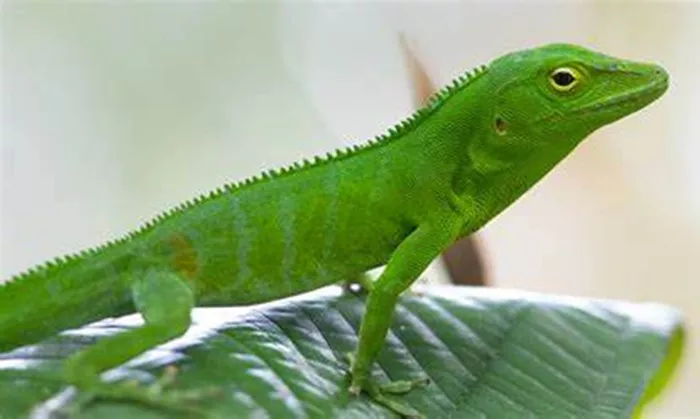
Lizards are one of the most familiar groups of animals worldwide. People often see them basking on rocks, crawling on walls, or darting through gardens. Yet, many wonder about their biological classification. Specifically, the question arises: Is a lizard a reptile? This question may seem simple, but to fully understand the answer, it is necessary to explore the biological definitions and classifications that place lizards in the animal kingdom.
In this article, we will discuss what reptiles are, where lizards fit in the classification system, their distinctive features, and how they differ from other animals. We will also explain the evolutionary background of lizards and their ecological role. This will give a clear and comprehensive understanding that not only answers the question but also provides deeper insight into these fascinating creatures.
What Are Reptiles?
Reptiles belong to the class Reptilia, which is a group of cold-blooded, air-breathing vertebrates. They are characterized by having scales covering their bodies, laying eggs with leathery shells, and possessing lungs to breathe air. Common examples of reptiles include snakes, turtles, crocodiles, and lizards.
Reptiles have existed on Earth for over 300 million years, showing remarkable adaptation to various environments. Unlike mammals and birds, reptiles do not have fur or feathers, but their scales help protect them and reduce water loss.
Classification of Lizards
Lizards are a diverse group of reptiles belonging to the order Squamata, which also includes snakes and amphisbaenians (worm lizards). This order is the largest group of reptiles, with more than 10,000 species worldwide.
Within Squamata, lizards make up the suborder Lacertilia. They vary widely in size, shape, and habitat. Some lizards, like the Komodo dragon, can grow very large, while others, such as geckos, are quite small.
By classifying lizards as part of Squamata, zoologists confirm that lizards are reptiles. They share key reptilian traits but also have unique features that distinguish them from snakes and other reptiles.
Key Characteristics of Lizards as Reptiles
Cold-blooded Metabolism
Lizards, like all reptiles, are ectothermic, or cold-blooded. This means they depend on external sources to regulate their body temperature. They bask in the sun to warm up and seek shade or burrows to cool down.
Scaly Skin
One of the most noticeable reptilian features is the presence of scales. Lizards have dry, scaly skin made of keratin, the same material found in human nails. This skin helps protect their bodies and prevents water loss, especially in dry environments.
Egg-Laying and Reproduction
Most lizards reproduce by laying eggs. The eggs have a leathery shell that protects the developing embryo while allowing gas exchange. Some species of lizards are ovoviviparous, meaning the eggs hatch inside the female’s body, and she gives birth to live young. This reproductive strategy is common among reptiles.
Lungs and Breathing
Lizards breathe air using lungs. Unlike amphibians, they do not rely on skin respiration. This trait allows reptiles to live in dry environments where water is scarce.
How Lizards Differ From Other Reptiles
While lizards share many features with other reptiles, they also have specific characteristics.
Limbs and Movement
Most lizards have four well-developed limbs with toes that often have claws. This distinguishes them from snakes, which have lost their limbs through evolution. Lizards use their limbs for running, climbing, digging, or swimming, depending on the species.
Eyelids and External Ears
Lizards typically have movable eyelids and visible external ear openings. In contrast, snakes lack eyelids and external ears. These features help identify lizards among reptiles.
Tail Regeneration
Many lizards can autotomize, or voluntarily shed, their tails when threatened. The tail can later regrow, although usually shorter and less functional than the original. This is a defense mechanism unique to some lizard species.
Evolutionary History of Lizards
Lizards have a long evolutionary history that dates back to the late Permian period, over 250 million years ago. They evolved from early reptilian ancestors that survived the Permian mass extinction.
Over millions of years, lizards diversified into numerous families and species. They adapted to various habitats, from deserts to rainforests and even urban areas. Their evolutionary success is due to their adaptability, efficient thermoregulation, and diverse diets.
Ecological Role of Lizards
Lizards play essential roles in their ecosystems. As both predators and prey, they help maintain balance in the food web. They consume insects, small mammals, and plants, which helps control pest populations. Lizards also provide food for larger animals like birds, snakes, and mammals.
In some ecosystems, lizards contribute to seed dispersal and pollination, especially when they feed on fruits and nectar.
Common Misconceptions About Lizards and Reptiles
Many people confuse lizards with other reptiles or misidentify them. For example, some small lizards resemble snakes, and some amphibians have scaly skin that looks like reptilian scales.
It is important to understand that amphibians and reptiles belong to different classes, mainly distinguished by their skin type, reproduction, and development stages.
Conclusion
In summary, lizards are definitely reptiles. They share the core characteristics of reptiles, such as scaly skin, cold-blooded metabolism, lung breathing, and egg-laying reproduction. However, lizards also have unique traits that separate them from other reptilian groups, especially snakes.
Understanding the classification of lizards helps appreciate their diversity and ecological importance. These creatures have adapted well to a variety of environments, demonstrating the remarkable evolutionary success of reptiles.
If you ever see a small reptile sunbathing on a rock or darting through the bushes, now you know it is not just a lizard but a fascinating member of the reptile family.
Related topics: