
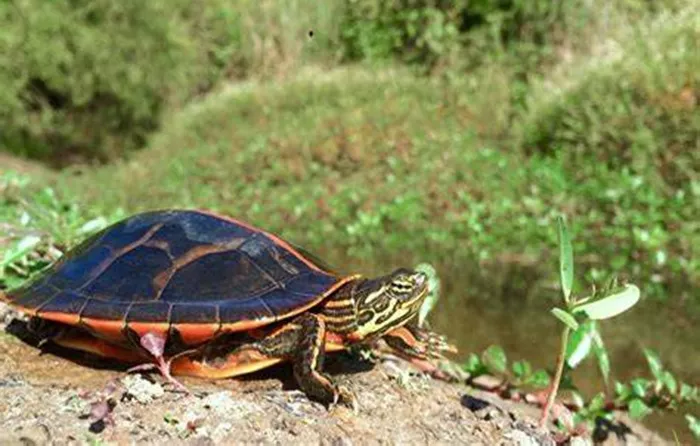
Painted turtles (Chrysemys picta) are among the most widespread and familiar species of freshwater turtles in North America. They are found in various habitats, ranging from slow-moving rivers and ponds to marshes and lakes. Known for their vivid, colorful markings, painted turtles have become iconic symbols of North American wildlife. Despite their wide distribution, however, painted turtles are facing significant threats that have led to a decline in their population. Several factors, including habitat destruction, pollution, climate change, and human interference, are contributing to the species’ endangered status in some regions.
In this article, we will explore the various reasons why painted turtles are endangered, the ecological impacts of their decline, and potential conservation efforts aimed at protecting them. Through a detailed examination of these issues, we aim to provide a comprehensive understanding of why this beloved species is at risk and what can be done to help.
Habitat Destruction
One of the primary reasons why painted turtles are endangered is habitat destruction. Like many other species, painted turtles depend on specific environmental conditions to thrive. These turtles require a combination of freshwater habitats with suitable basking spots, nesting sites, and access to food sources. As human populations expand, however, these habitats are increasingly being disrupted or destroyed.
Urbanization and industrial development have led to the draining of wetlands, the destruction of marshes, and the pollution of rivers and lakes. Such changes not only reduce the available habitat for painted turtles but also degrade the quality of the remaining habitats. When their habitat is altered, painted turtles may be forced to move to less suitable areas, where they face greater risks from predators, inadequate food supplies, and competition with other species.
Additionally, the construction of roads and buildings near turtle habitats can isolate populations, making it difficult for them to find suitable nesting sites or migrate between different areas. This isolation can lead to inbreeding and a reduction in genetic diversity, further jeopardizing the long-term survival of the species.
Pollution and Water Contamination
Pollution is another major threat to painted turtles. The accumulation of toxic chemicals, heavy metals, and plastics in freshwater ecosystems has become a significant problem for many species, including painted turtles. Pollution can enter water bodies from various sources, such as industrial runoff, agricultural practices, and untreated sewage.
Chemical pollutants, like pesticides and herbicides, can contaminate the water, affecting the health of aquatic organisms, including painted turtles. These chemicals can disrupt the turtles’ reproductive systems, reduce their food supply, and lead to disease outbreaks. Heavy metals, such as mercury and lead, can accumulate in the bodies of painted turtles, leading to poisoning and death. Ingesting plastic debris is also a growing concern, as turtles often mistake these materials for food.
In addition to chemical pollutants, nutrient pollution caused by excess nitrogen and phosphorus from fertilizers can lead to harmful algal blooms. These blooms can deplete oxygen levels in the water, suffocating the turtles and other aquatic species. As the quality of the water deteriorates, painted turtles may struggle to survive, leading to a decline in their population.
Climate Change
Climate change is having a profound impact on many species, including painted turtles. As temperatures rise and weather patterns become more unpredictable, the habitats that painted turtles rely on are undergoing significant changes. Rising temperatures can affect the turtles’ reproductive success, as many species of turtles, including painted turtles, have temperature-dependent sex determination. In warmer conditions, more female turtles may be born, disrupting the balance of sexes and affecting the overall health of the population.
Additionally, climate change can lead to shifts in the availability of food resources for painted turtles. Warmer temperatures may cause certain aquatic plants and invertebrates, which form the turtles’ diet, to become less abundant. Changes in precipitation patterns and the frequency of droughts can also reduce the availability of suitable habitats, forcing turtles to adapt to less-than-ideal conditions.
Increased frequency and intensity of storms can also affect the nesting success of painted turtles. Flooding and erosion can wash away nests or disturb the delicate balance of the ecosystem. These disturbances may result in the loss of eggs and hatchlings, further decreasing the turtle’s chances of survival.
Human Interference
Human activities, whether intentional or accidental, are another significant threat to painted turtles. One of the most common causes of turtle mortality is road traffic. As painted turtles often need to cross roads to reach nesting sites, they are at risk of being hit by vehicles. This is particularly problematic during the breeding season when females are more likely to venture out in search of suitable nesting areas. Road mortality can have a severe impact on local turtle populations, as the loss of adult females can lead to a decrease in reproductive success.
In addition to road traffic, the collection of turtles for the pet trade has contributed to the decline of painted turtle populations. Although the capture of turtles is regulated in some areas, illegal poaching still occurs. Turtles are often taken from the wild to be sold as pets or for use in traditional medicine. The removal of individuals from the wild can reduce population numbers and disrupt the ecological balance of their habitats.
Furthermore, painted turtles are sometimes harmed by fishing practices. Turtles can become entangled in fishing lines, hooks, or nets, leading to injury or death. In some cases, they may also ingest fishing bait or other debris, causing further harm.
Predation and Invasive Species
Predation is a natural threat to painted turtles, especially to their eggs, hatchlings, and juveniles. Birds of prey, mammals, and other reptiles are known to target turtle nests and feed on their eggs. While predation is a normal part of the ecosystem, the introduction of invasive species has exacerbated the problem for painted turtles.
Invasive species, such as raccoons, foxes, and crows, have become more prevalent in many regions, leading to increased predation pressure on turtle nests. These animals often do not have natural predators in the areas they invade, which allows their populations to grow unchecked. As a result, the nests of painted turtles are more vulnerable to being raided, and the survival rate of hatchlings decreases.
Invasive species can also compete with painted turtles for food and space. For example, invasive fish species may reduce the availability of the aquatic invertebrates that turtles rely on for food. Additionally, some invasive plant species can alter the structure of the habitat, making it less suitable for turtles.
Conservation Efforts
Efforts to protect painted turtles from further decline have been implemented in various parts of their range. Conservation initiatives typically focus on habitat restoration, public education, and legislation to protect turtle populations.
One key strategy is the restoration of wetlands and freshwater habitats to ensure that turtles have access to clean water, suitable nesting sites, and abundant food sources. In some areas, artificial nesting sites and basking platforms have been created to provide safe places for turtles to lay their eggs and bask in the sun.
Education campaigns aimed at raising awareness about the importance of painted turtles and their role in ecosystems have been instrumental in garnering public support for their conservation. Many organizations and wildlife groups encourage people to reduce their impact on turtle habitats by promoting responsible boating, fishing, and recreational activities.
Furthermore, legal protections are in place in many areas to regulate the collection and trade of painted turtles. These regulations help ensure that wild populations are not depleted by illegal harvesting.
Conclusion
Painted turtles are facing numerous challenges that threaten their survival. From habitat destruction and pollution to climate change and human interference, the factors contributing to their endangered status are complex and multifaceted. However, through concerted conservation efforts, it is possible to protect this iconic species and ensure that future generations can enjoy the beauty of painted turtles in the wild.
By understanding the threats facing painted turtles and supporting conservation initiatives, we can help secure a future for these remarkable creatures. With ongoing research, habitat restoration, and public education, it is possible to mitigate the risks they face and promote the recovery of their populations.
Related topics: